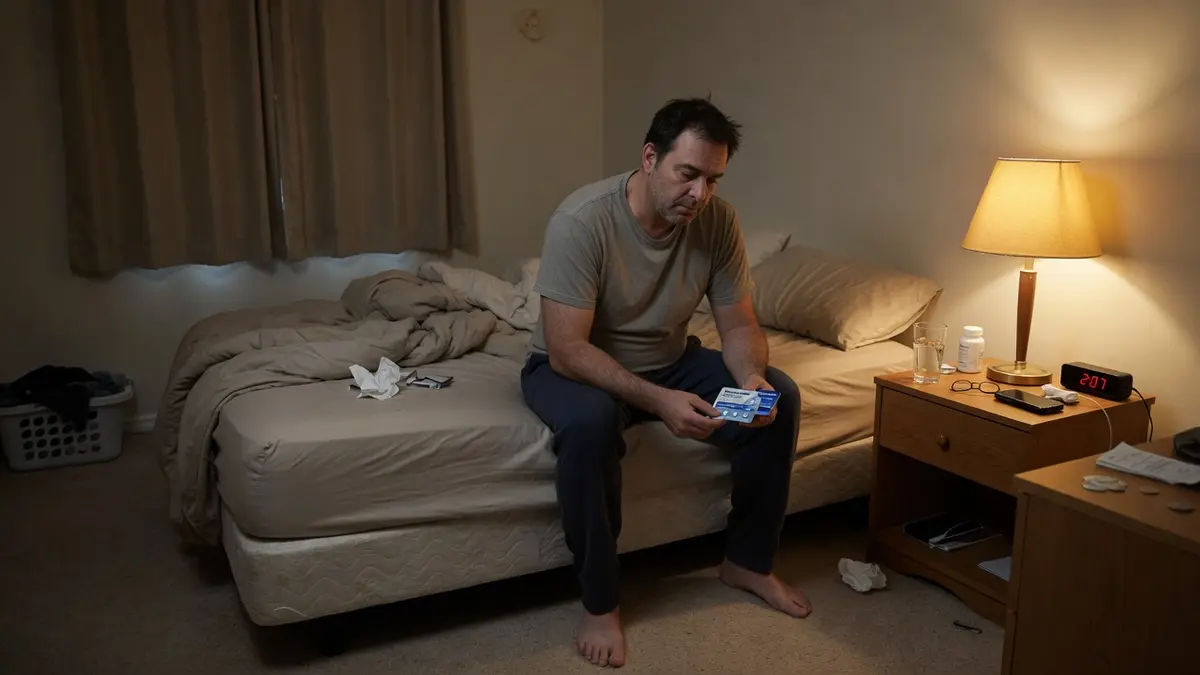

Feeling mentally “off” can be unsettling. A missed word, a forgotten task, or trouble focusing for a few hours can quickly raise concern—especially when it starts to feel frequent.
Many people wonder: Is this just brain fog, or could it be memory loss?
Understanding the difference between brain fog vs memory loss is essential. While they can feel similar, they are not the same—and they don’t carry the same meaning for long-term brain health.
What People Mean by Brain Fog
“Brain fog” is not a medical diagnosis. It’s a commonly used term to describe a cluster of symptoms that affect mental clarity.
People experiencing brain fog symptoms often report:
- Slower thinking
- Difficulty concentrating
- Trouble staying focused
- Feeling mentally drained
- Reduced motivation
In simple terms, the brain is still working—but it feels less efficient.
Harvard Health explains that brain fog can show up during periods of illness, stress, poor sleep, or recovery from infections. It’s often temporary and linked to reversible factors.
What Counts as Memory Loss
Memory loss, on the other hand, is a more specific clinical concern.
It involves:
- Difficulty recalling recent events
- Forgetting important information
- Repeating questions
- Trouble learning new information
According to the National Institute on Aging, occasional forgetfulness can be part of normal aging. However, persistent or worsening memory issues may signal underlying conditions.
Unlike brain fog, memory loss suggests a problem with how the brain stores or retrieves information.
Brain Fog vs Memory Loss: Key Differences That Matter
Understanding brain fog vs memory loss becomes easier when looking at how each affects the brain.
Speed vs Storage: How the Brain Is Affected
- Brain fog: The brain processes information more slowly
- Memory loss: The brain struggles to store or recall information
A helpful way to think about it:
👉 Brain fog = slow computer
👉 Memory loss = missing files
In brain fog, the information is often still there—it just takes longer to access. With memory loss, the information may not be retrievable at all.
Temporary vs Progressive Changes
Another key difference is how symptoms evolve over time.
- Brain fog is often short-term and fluctuates
- Memory loss can be progressive, especially in neurological conditions
This distinction is critical when evaluating symptoms.
More Helpful Reads You Might Like:
Common Causes of Brain Fog
Brain fog is usually linked to everyday factors rather than serious disease.
Lifestyle and Everyday Triggers
Some of the most common causes of brain fog include:
- Poor sleep quality
- Chronic stress
- Dehydration
- Sedentary lifestyle
- High mental workload
The CDC notes that even mild dehydration may affect mood and mental clarity.
Medical and Hormonal Factors
In some cases, brain fog may be related to:
- Hormonal changes (such as menopause)
- Thyroid disorders
- Medication side effects
- Post-viral conditions (like COVID-19)
These causes are often treatable or manageable, which is why identifying them matters.
Early Signs of Memory Loss That Shouldn’t Be Ignored
While occasional forgetfulness is common, certain patterns raise more concern.
Early signs of memory loss may include:
- Asking the same questions repeatedly
- Forgetting recent conversations
- Getting lost in familiar places
- Difficulty following instructions
- Trouble managing finances or daily tasks
The National Institute on Aging highlights these as potential indicators that go beyond normal aging.
When to Worry About Memory Loss vs Brain Fog
Not every mental lapse is a warning sign—but some patterns deserve attention.
Signs That Suggest Something More Serious
Consider a deeper evaluation if symptoms:
- Are frequent or worsening
- Interfere with daily life
- Affect communication or decision-making
- Involve confusion about time, place, or people
These are not typical of simple brain fog.
When to Seek Medical Evaluation
Medical evaluation is especially important when:
- Memory problems persist despite lifestyle changes
- Others begin to notice changes
- There is a family history of neurological disease
According to NIH and NIA guidance, early evaluation can help identify reversible causes—or detect conditions earlier, when treatment is more effective.
How to Improve Brain Fog and Protect Memory
The encouraging news is that many causes of brain fog are reversible—and brain health can be supported at any age.
Daily Habits That Support Brain Health
Simple habits can make a meaningful difference:
- Prioritize 7–9 hours of sleep
- Stay physically active
- Maintain consistent hydration
- Eat a balanced, nutrient-rich diet
- Manage stress through relaxation techniques
These habits support both mental clarity and long-term cognitive function.
When Prevention Needs Personalization
Some individuals may need tailored guidance, especially if they have:
- Chronic medical conditions
- Nutrient deficiencies
- Medication-related side effects
In these cases, a healthcare provider can help identify specific adjustments.
The Bottom Line
The distinction between brain fog vs memory loss is more than semantic—it shapes how symptoms should be understood and addressed.
- Brain fog affects clarity and focus, often temporarily
- Memory loss affects the ability to store and recall information, and may require deeper evaluation
Most episodes of mental “fog” are linked to everyday factors like sleep, stress, or hydration. But persistent or worsening memory changes should not be ignored.
Paying attention to patterns—and not just isolated moments—can make all the difference.
Medical Disclaimer
Medical Disclaimer: This content is for educational purposes only and does not replace professional medical advice, diagnosis, or treatment. Always consult your physician or a qualified healthcare provider with any questions about a medical condition.
Sources & Further Reading
- National Institute on Aging – Memory Problems, Forgetfulness, and Aging
- Centers for Disease Control and Prevention – Water and Healthier Drinks
- National Institute of Neurological Disorders and Stroke – Memory Loss
- Mayo Clinic – Memory Loss: When to Seek Help
- PubMed – Cognitive Impairment and Memory Loss