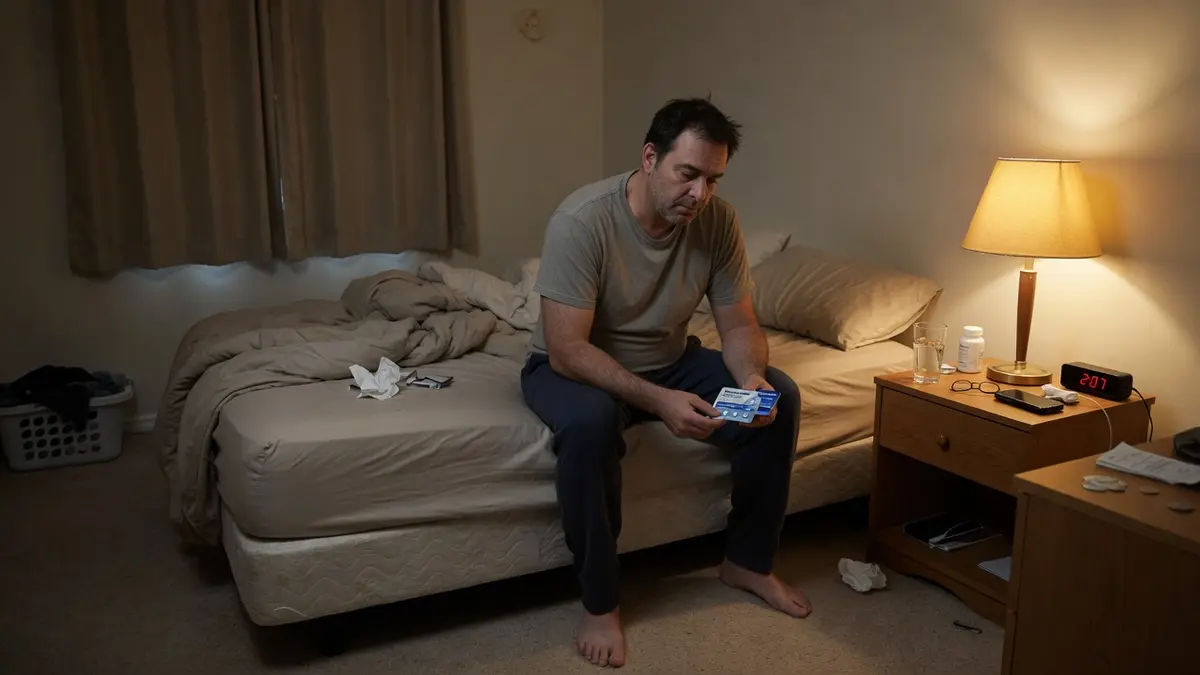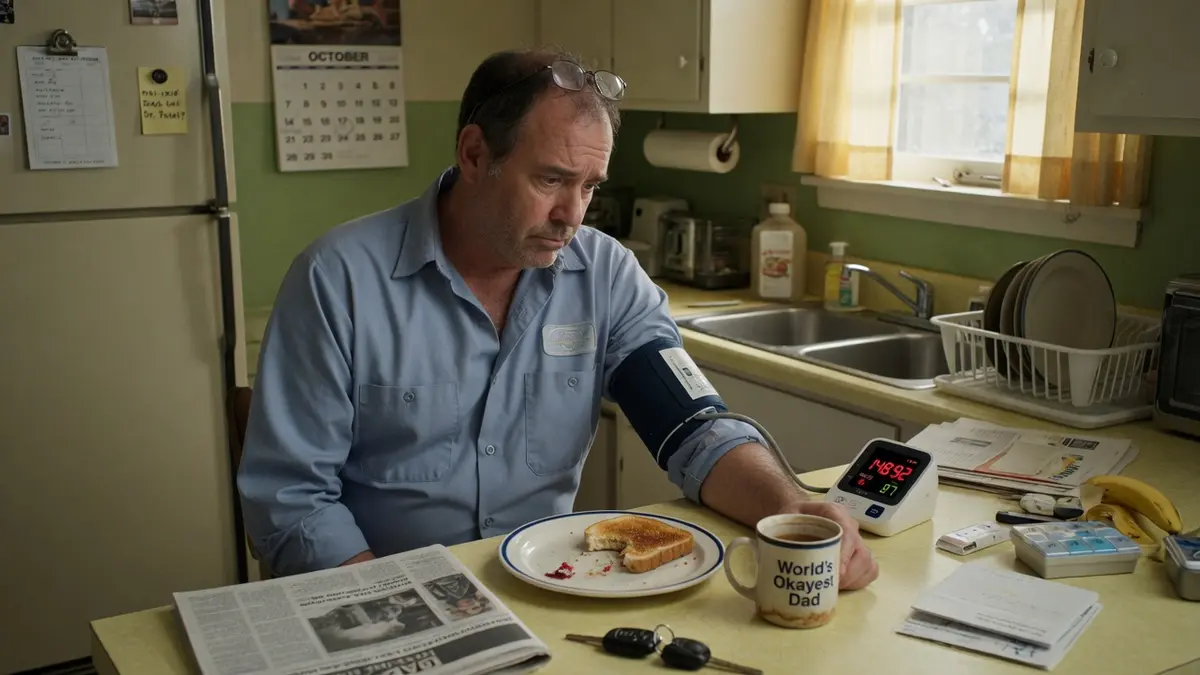

Low energy. Reduced motivation. Slower recovery after workouts. These changes are often brushed off as “just getting older,” but in some cases, they may be linked to declining testosterone levels.
Testosterone plays a central role in muscle mass, energy, mood, sexual health, and overall metabolic function. While levels naturally decline with age, everyday habits can either support or disrupt this balance.
For many people, the question is straightforward: how to increase testosterone naturally without jumping straight to medication. The encouraging news is that several evidence-based lifestyle strategies can help support healthy testosterone levels—especially when applied consistently.
Why Testosterone Matters More Than You Think
Testosterone is often associated only with male sexual health, but its role goes far beyond that. It contributes to:
- Muscle strength and physical performance
- Bone density
- Red blood cell production
- Mood stability and cognitive clarity
In women, testosterone is also present in smaller amounts and plays a role in energy and overall well-being.
When levels drop, symptoms may include fatigue, decreased motivation, reduced muscle mass, and lower libido. However, these changes can be subtle and develop gradually.
What Causes Low Testosterone in Everyday Life
Lifestyle Factors That Quietly Lower Testosterone
Many common habits may affect hormone balance over time:
- Chronic sleep deprivation
- Excess body fat, especially abdominal fat
- High stress levels
- Poor diet quality
- Sedentary lifestyle
These factors can interfere with the body’s hormonal signaling system, particularly the hypothalamic-pituitary-gonadal axis, which regulates testosterone production.
When Levels Decline With Age
Testosterone levels typically decline slowly after age 30. However, the rate of decline varies widely. Some individuals maintain stable levels for years, while others experience earlier or more noticeable changes depending on lifestyle and health conditions.
More Helpful Reads You Might Like:
7 Proven Ways to Increase Testosterone Naturally
1. Prioritize Deep, Consistent Sleep
Sleep is one of the most powerful—and overlooked—ways to increase testosterone naturally.
Testosterone production follows a daily rhythm, with the highest levels occurring during sleep. Even short-term sleep restriction has been shown to lower testosterone levels in healthy men.
Most adults benefit from 7–9 hours of quality sleep per night. Consistency matters just as much as duration.
2. Maintain a Healthy Body Composition
Excess body fat, particularly visceral fat, is strongly linked to lower testosterone levels.
Fat tissue contains enzymes that convert testosterone into estrogen, which may further reduce circulating testosterone.
Even modest weight loss in individuals with overweight or obesity has been associated with improvements in testosterone levels.
3. Strength Train Regularly
Resistance training is one of the most effective ways to naturally support testosterone.
Exercises like squats, deadlifts, and bench presses engage large muscle groups and may stimulate short-term increases in testosterone.
Consistency is key. Overtraining without recovery, however, may have the opposite effect.
4. Manage Stress and Cortisol Levels
Chronic stress leads to elevated cortisol, a hormone that can suppress testosterone production when persistently high.
While stress is unavoidable, daily habits such as:
- Physical activity
- Time outdoors
- Mindfulness practices
- Social connection
may help regulate stress responses and indirectly support testosterone balance.
5. Focus on Nutrient-Dense Foods
Diet plays a foundational role in hormone production.
Key nutrients involved in testosterone synthesis include:
- Zinc (found in meat, shellfish, legumes)
- Magnesium (nuts, seeds, leafy greens)
- Healthy fats (olive oil, avocados, fatty fish)
Extremely low-fat diets may negatively affect testosterone levels, while balanced diets that include healthy fats tend to support hormone production.
6. Optimize Vitamin D Levels
Vitamin D functions more like a hormone than a traditional vitamin and has been linked to testosterone levels in several studies.
Low vitamin D levels are common, especially in individuals with limited sun exposure.
Safe sun exposure, dietary intake, and supplementation (when appropriate) may help maintain optimal levels.
7. Limit Alcohol and Ultra-Processed Foods
Excessive alcohol intake has been associated with reduced testosterone production.
Similarly, diets high in ultra-processed foods may contribute to metabolic dysfunction, which can indirectly affect hormone balance.
Moderation and dietary quality play a significant role in long-term hormonal health.
When Natural Strategies May Not Be Enough
Signs That Warrant Medical Evaluation
Some symptoms may suggest clinically low testosterone and should not be managed with lifestyle changes alone:
- Persistent fatigue
- Loss of muscle mass despite training
- Erectile dysfunction
- Low libido
- Depression or mood changes
Understanding Clinical Low Testosterone
Medical societies such as the Endocrine Society define low testosterone (hypogonadism) based on both symptoms and confirmed low blood levels.
Treatment decisions are individualized and may include testosterone therapy when appropriate.
The Bottom Line
Learning how to increase testosterone naturally often starts with the fundamentals: sleep, nutrition, movement, and stress management.
These strategies do not produce overnight changes, but they can meaningfully support hormone health over time—especially when combined.
At the same time, not all symptoms are explained by lifestyle alone. When changes are persistent or worsening, a medical evaluation helps clarify whether additional treatment is needed.
Balanced expectations matter. Natural approaches are most effective for optimizing existing function—not replacing medical care when it is truly necessary.
Medical Disclaimer
This content is for educational purposes only and does not replace professional medical advice, diagnosis, or treatment. Always consult your physician or a qualified healthcare provider with any questions about a medical condition.
Sources & Further Reading
Effect of sleep restriction on testosterone levels in healthy young men
https://pmc.ncbi.nlm.nih.gov/articles/PMC4445839/
Body weight loss and testosterone levels in men with obesity: a systematic review
https://pmc.ncbi.nlm.nih.gov/articles/PMC11745839/
Endocrine Society Clinical Practice Guideline: Testosterone Therapy in Men
https://academic.oup.com/jcem/article/103/5/1715/4939465
NIH — Testosterone and Aging
https://www.ncbi.nlm.nih.gov/books/NBK216164/
Mayo Clinic — Male hypogonadism
https://www.mayoclinic.org/diseases-conditions/male-hypogonadism/symptoms-causes/syc-20354881
Harvard Health — Testosterone: What it does and doesn’t do
https://www.health.harvard.edu/staying-healthy/testosterone–what-it-does-and-doesnt-do