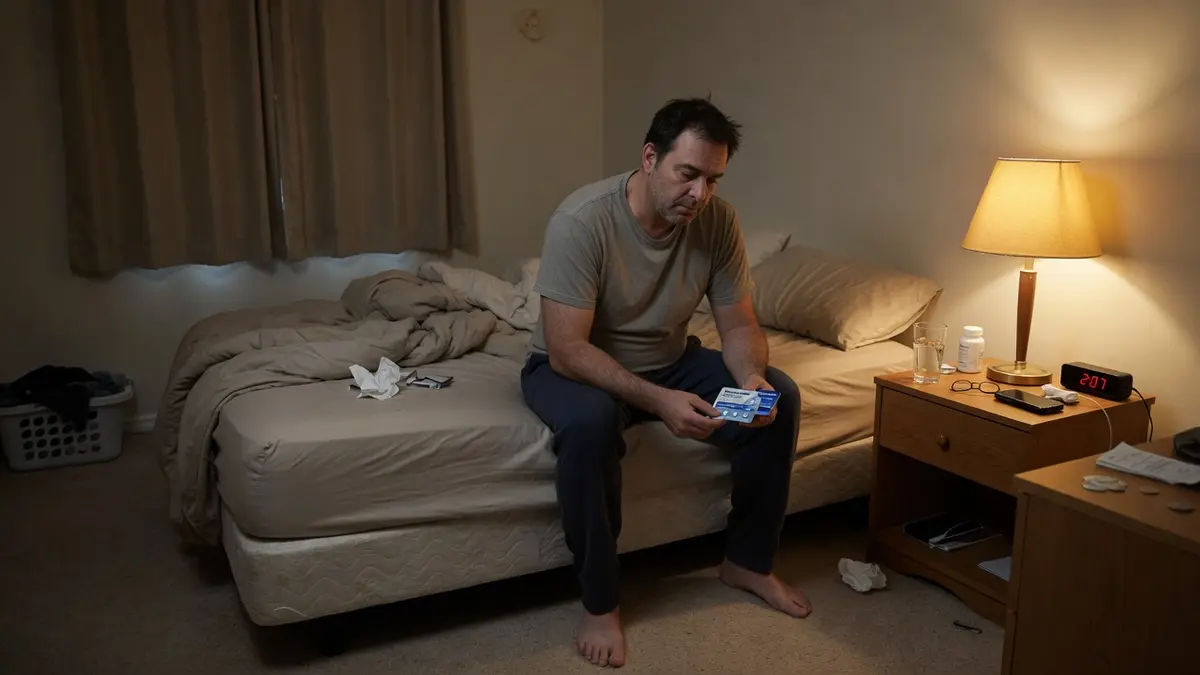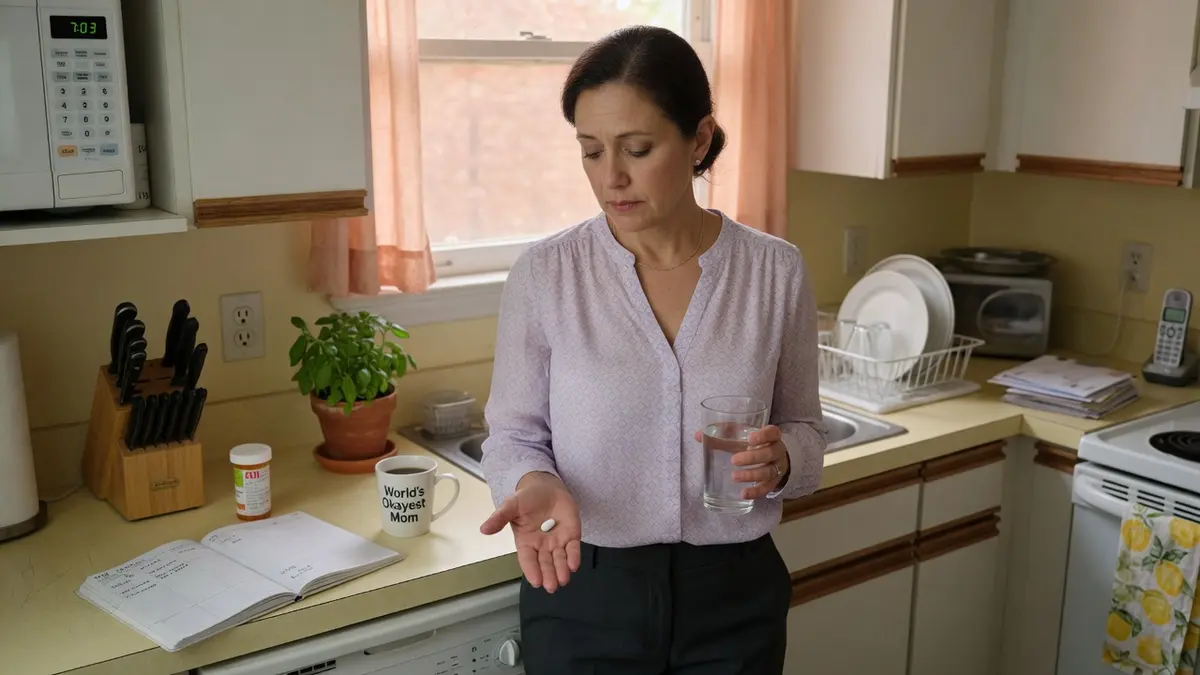

Shortness of breath that seems to come out of nowhere can feel unsettling—especially for someone who has never had breathing problems before. Many adults assume asthma is something that only begins in childhood. But that’s not entirely true. The question “can asthma develop later in life” is more common than it seems—and the answer may surprise many people.
Asthma can begin at any age. In fact, adult onset asthma is a well-recognized condition in U.S. medical guidelines, and it often looks different from childhood asthma. Because of that, it’s frequently overlooked or mistaken for something else.
Understanding how and why this happens can make it easier to recognize early signs—and seek the right care before symptoms worsen.
Can Asthma Develop Later in Life? Understanding the Basics
Yes, asthma can develop later in life, even in people who have never experienced symptoms before. This form is often called adult onset asthma.
Asthma is not a single disease but a condition involving chronic inflammation of the airways. Over time, this inflammation can make the airways more sensitive, causing them to narrow in response to triggers like cold air, exercise, or irritants.
In adults, this process may develop gradually. Symptoms can be subtle at first—making it harder to connect them to asthma.
More Helpful Reads You Might Like:
Why Asthma Can Appear in Adulthood
How Airway Inflammation Develops Over Time
Even without childhood asthma, the airways can become more reactive later in life. This may happen due to repeated exposure to irritants or changes in the immune system.
Inflammation leads to:
- Narrowed airways
- Increased mucus production
- Greater sensitivity to triggers
Over time, this combination can cause symptoms that resemble—or confirm—asthma in adults.
Common Triggers Behind Adult Onset Asthma
Several factors may contribute to why someone develops asthma later:
- Respiratory infections (such as viral illnesses)
- Workplace exposures (dust, chemicals, fumes)
- Air pollution or smoke
- Hormonal changes, especially in women
- Obesity, which may affect lung mechanics
- Allergies, even if mild earlier in life
In many cases, there isn’t a single cause. Instead, multiple factors build over time.
7 Signs Asthma May Be Developing in Adults
Recognizing early symptoms is key—especially since can asthma develop later in life is often not the first thought.
Here are common warning signs:
1. Shortness of breath during routine activities
Climbing stairs or walking quickly may suddenly feel harder than usual.
2. Wheezing (a whistling sound when breathing)
This may come and go, especially during exertion or at night.
3. Persistent cough
Often worse at night or early morning, and sometimes mistaken for a lingering cold.
4. Chest tightness
A sensation of pressure or constriction that can feel similar to anxiety.
5. Symptoms triggered by cold air or exercise
Breathing may feel more difficult in certain environments.
6. Fatigue linked to breathing effort
The body works harder to breathe, which can lead to low energy.
7. Symptoms that fluctuate over time
Good days and bad days without a clear explanation.
These patterns often point toward sudden asthma in adults, especially when symptoms repeat.
Why Adult Asthma Is Often Missed
Conditions That Mimic Asthma
One reason people keep asking “can you get asthma as an adult” is because symptoms overlap with other conditions:
- Anxiety or panic attacks
- Acid reflux (GERD)
- Chronic bronchitis
- COPD (especially in smokers)
Because of this, asthma may not be considered right away.
When Symptoms Get Dismissed or Delayed
Adults may assume symptoms are due to:
- Aging
- Being out of shape
- Stress
This delay can lead to worsening symptoms before proper diagnosis.
When to See a Doctor About New Breathing Symptoms
Any persistent or unexplained breathing change deserves attention.
Consider medical evaluation if:
- Symptoms occur more than occasionally
- Sleep is disrupted by coughing or breathlessness
- Physical activity becomes limited
- A rescue inhaler is needed frequently (if already prescribed)
Urgent care is important if breathing becomes severely difficult, rapid, or accompanied by confusion or chest pain.
How Adult-Onset Asthma Is Treated and Managed
First-Line Treatments
Treatment typically follows U.S. guidelines (NHLBI, GINA) and may include:
- Inhaled corticosteroids (ICS) to reduce inflammation
- Bronchodilators to open airways
- Combination inhalers for ongoing control
The goal is long-term control—not just symptom relief.
Daily Habits That Support Lung Health
Alongside medication, lifestyle adjustments can help:
- Avoid known triggers (smoke, allergens, irritants)
- Stay physically active within tolerance
- Maintain a healthy weight
- Monitor symptoms over time
- Follow a personalized asthma action plan
Management often requires some trial and adjustment, especially in adult onset cases.
The Bottom Line
So, can asthma develop later in life? Yes—and it happens more often than many people realize.
Adult onset asthma may begin subtly, with symptoms that are easy to dismiss or misinterpret. But over time, those small changes in breathing can become more noticeable and disruptive.
The good news is that with proper diagnosis and treatment, most people can manage symptoms effectively and maintain a full, active life.
Paying attention to early signs—and not ignoring new breathing changes—can make all the difference.
Medical Disclaimer
This content is for educational purposes only and does not replace professional medical advice, diagnosis, or treatment. Always consult your physician or a qualified healthcare provider with any questions about a medical condition.
Sources & Further Reading
National Heart, Lung, and Blood Institute — Asthma
https://www.nhlbi.nih.gov/health/asthma
American Lung Association — Adult-Onset Asthma
https://www.lung.org/lung-health-diseases/lung-disease-lookup/asthma/managing-asthma/young-adults
PubMed — Adult-onset asthma: is it really different?
https://pubmed.ncbi.nlm.nih.gov/23457164/
PubMed — Airway inflammation and remodeling in asthma
https://pubmed.ncbi.nlm.nih.gov/10608420/