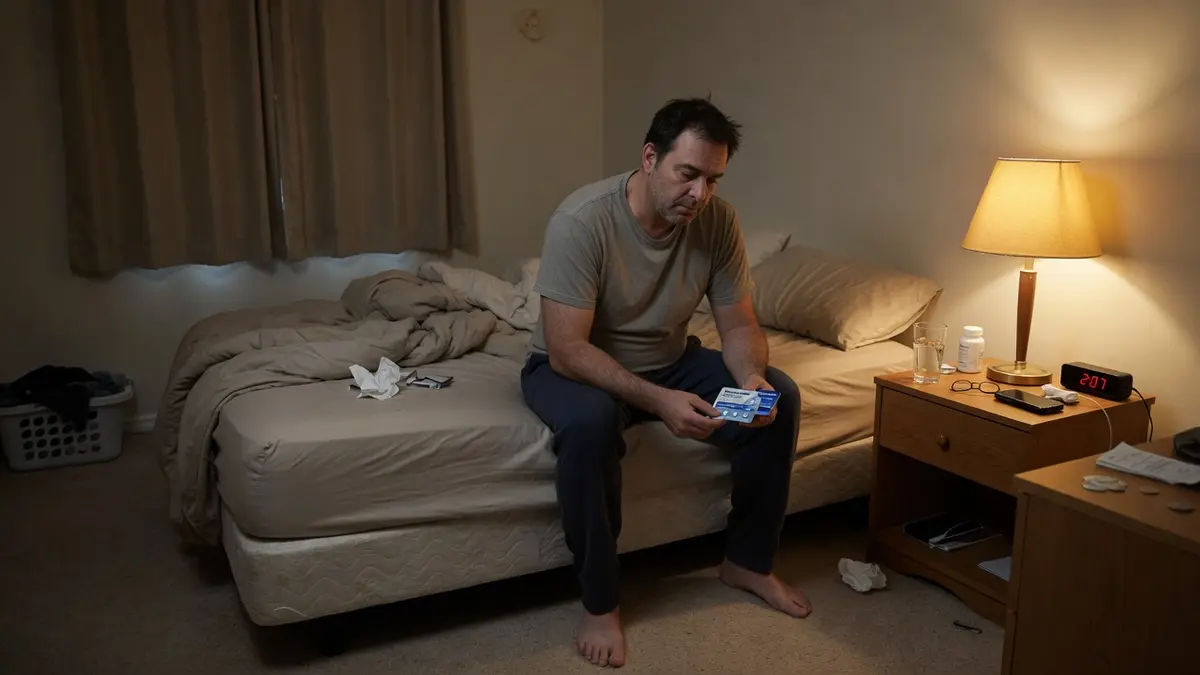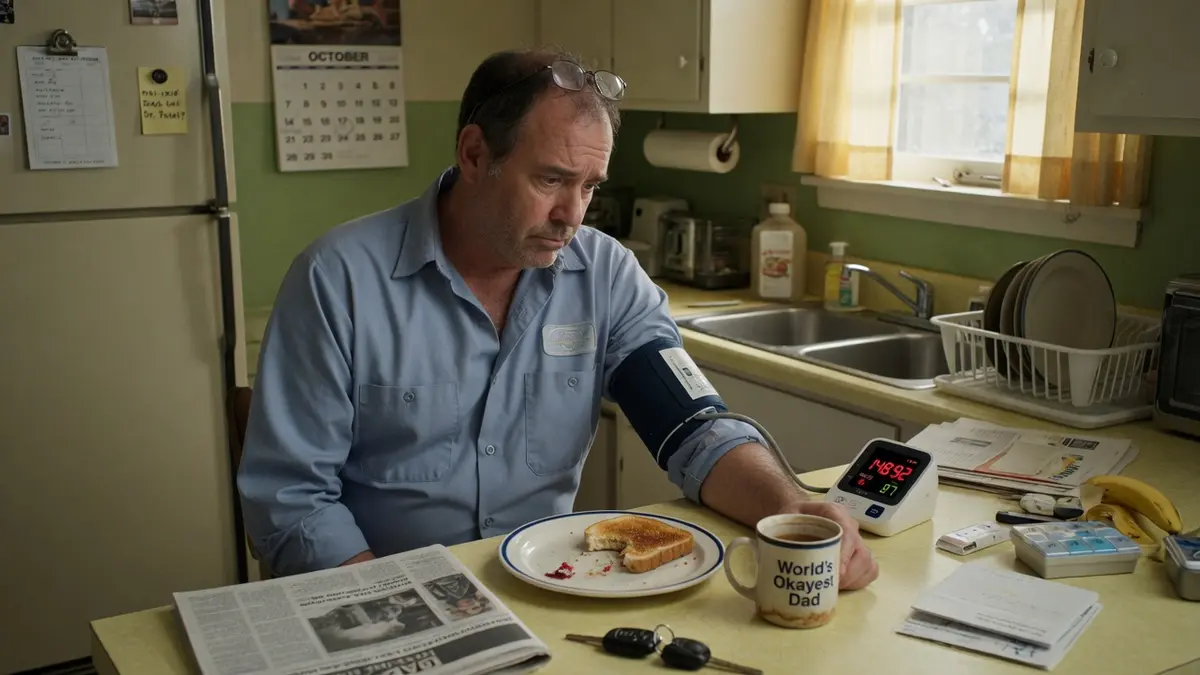

Needing to use the bathroom more often than usual can feel disruptive—and sometimes a little concerning. It might show up as repeated daytime trips, waking up at night to urinate, or a constant feeling that the bladder is never quite empty. For many people, the first thought is simple: Why is this happening?
The answer isn’t always straightforward. Frequent urination causes range from completely harmless habits to underlying medical conditions that deserve attention. The key is understanding what the body may be signaling—and when it’s worth looking deeper.
What Counts as Frequent Urination?
There isn’t a single “normal” number that applies to everyone. Most healthy adults urinate about 6 to 8 times per day, depending on fluid intake, activity level, and environment.
Frequent urination generally means:
- Going more often than usual for your body
- Waking up multiple times at night (nocturia)
- Feeling a persistent need to urinate even after going
It’s important to separate frequency from other symptoms:
- Producing large amounts of urine (polyuria)
- Sudden urgency
- Pain or discomfort
Each pattern can point to different frequent urination causes.
Why Do Some People Pee So Often?
Understanding frequent urination starts with how the body regulates fluids.
The kidneys filter blood and produce urine, while the bladder stores it until it’s convenient to go. Hormones, nerves, and muscles all work together to control timing.
Frequent urination usually happens for one of two main reasons:
When the Body Produces More Urine
This can happen with:
- High fluid intake
- Caffeine or alcohol
- Certain medications
- Conditions like diabetes
In these cases, the body is simply making more urine than usual.
When the Bladder Becomes More Sensitive
Sometimes the issue isn’t volume—it’s signaling.
The bladder may:
- Send signals too early
- React to small amounts of urine
- Become irritated or overactive
This leads to more frequent trips, even if urine volume is low.
More Helpful Reads You Might Like:
7 Common Frequent Urination Causes
Understanding the most common frequent urination causes can help narrow down what might be happening.
1. Increased Fluid Intake
Drinking more fluids—especially water—is one of the simplest explanations. Hydration needs vary, so a temporary increase in bathroom trips may be completely normal.
2. Caffeine and Alcohol
Both act as mild diuretics and bladder stimulants. Coffee, tea, and energy drinks may increase how often you urinate, especially in sensitive individuals.
3. Urinary Tract Infection (UTI)
UTIs are a common cause, particularly in women.
Typical symptoms include:
- Frequent urination
- Burning sensation
- Urgency with small urine amounts
This happens because inflammation irritates the bladder lining.
4. Overactive Bladder
Overactive bladder symptoms can include:
- Sudden urge to urinate
- Frequent trips to the bathroom
- Possible leakage
This condition involves involuntary bladder muscle contractions.
5. Diabetes (Type 1 or Type 2)
One of the most important medical causes.
High blood sugar leads to:
- Excess glucose in urine
- Increased water loss
This results in peeing a lot all of a sudden, often with increased thirst and fatigue.
6. Medications (Especially Diuretics)
Some medications are designed to increase urine production, particularly those used for:
- High blood pressure
- Heart conditions
Other drugs may also affect bladder function indirectly.
7. Enlarged Prostate (in Men)
In men, especially over age 50, prostate enlargement can affect urine flow.
Common signs:
- Frequent urination
- Weak stream
- Nighttime urination
The bladder may not empty fully, leading to repeated trips.
When Frequent Urination Might Signal Something More
Not every case is harmless. Some patterns suggest it’s time to look deeper.
Warning Signs That Shouldn’t Be Ignored
- Pain or burning during urination
- Blood in urine
- Sudden, unexplained onset
- Excessive thirst
- Unintentional weight loss
- Frequent nighttime urination
These may point to more serious frequent urination causes.
Conditions That May Be Behind It
According to guidance from institutions like the Mayo Clinic and the National Institute of Diabetes and Digestive and Kidney Diseases (NIDDK), frequent urination may be linked to:
- Diabetes
- Bladder disorders
- Kidney conditions
- Neurological issues
- Hormonal imbalances
Sleep disorders such as sleep apnea can also contribute to nighttime urination.
How to Reduce Frequent Urination Naturally
For many people, small adjustments can make a meaningful difference.
Simple Daily Habits That Help
- Spread fluid intake evenly throughout the day
- Limit caffeine, especially in the afternoon
- Avoid large amounts of fluid before bedtime
- Track triggers (certain drinks, stress, temperature changes)
- Maintain a healthy weight
Bladder training—gradually increasing time between bathroom visits—may also help in some cases.
When Lifestyle Changes Aren’t Enough
If symptoms persist despite these efforts, evaluation may be needed.
A healthcare provider might recommend:
- Urine testing
- Blood sugar testing
- Bladder function assessment
- Imaging studies in specific cases
The goal is to identify the underlying cause and tailor treatment appropriately.
The Bottom Line
Frequent urination can be frustrating, but it’s also one of the body’s clearer signals that something has changed. In many cases, frequent urination causes are simple—like increased fluids or caffeine intake. In others, they may point to conditions such as overactive bladder or diabetes.
The key is pattern recognition. Occasional changes are common. Persistent, worsening, or unexplained symptoms deserve attention.
Understanding what’s normal for your body—and noticing when that pattern shifts—can make all the difference.
Medical Disclaimer:
This content is for educational purposes only and does not replace professional medical advice, diagnosis, or treatment. Always consult your physician or a qualified healthcare provider with any questions about a medical condition.
Sources & Further Reading
National Institute of Diabetes and Digestive and Kidney Diseases — Bladder Control Problems
https://www.niddk.nih.gov/health-information/urologic-diseases/bladder-control-problems
Mayo Clinic — Frequent urination
https://www.mayoclinic.org/symptoms/frequent-urination/basics/causes/sym-20050712
National Institute on Aging — Urinary Incontinence
https://www.nia.nih.gov/health/bladder-health-and-incontinence
PubMed — Overactive bladder syndrome: evaluation and management
https://pubmed.ncbi.nlm.nih.gov/29692690/
PubMed — Mechanisms of diabetic polyuria
https://pubmed.ncbi.nlm.nih.gov/14824278/