 Written by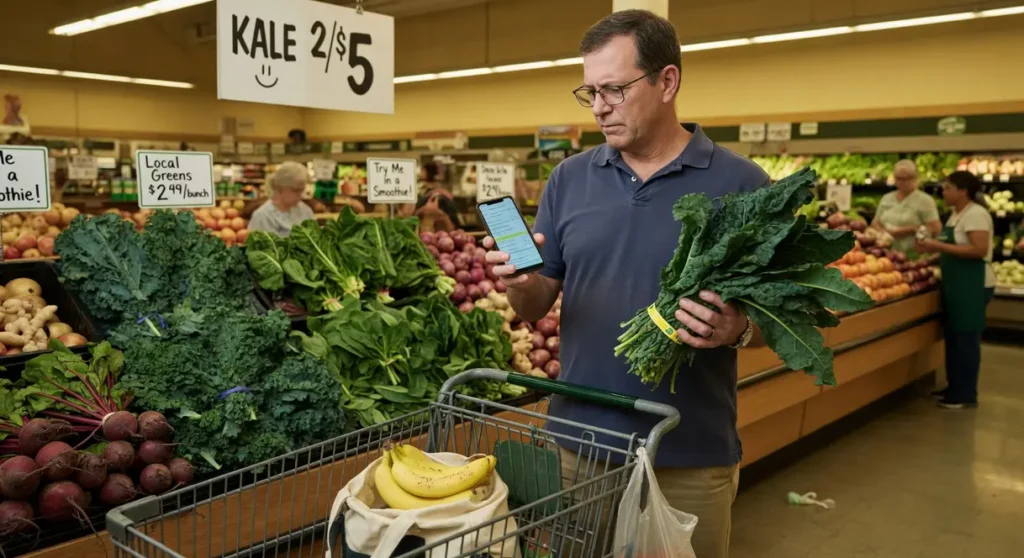
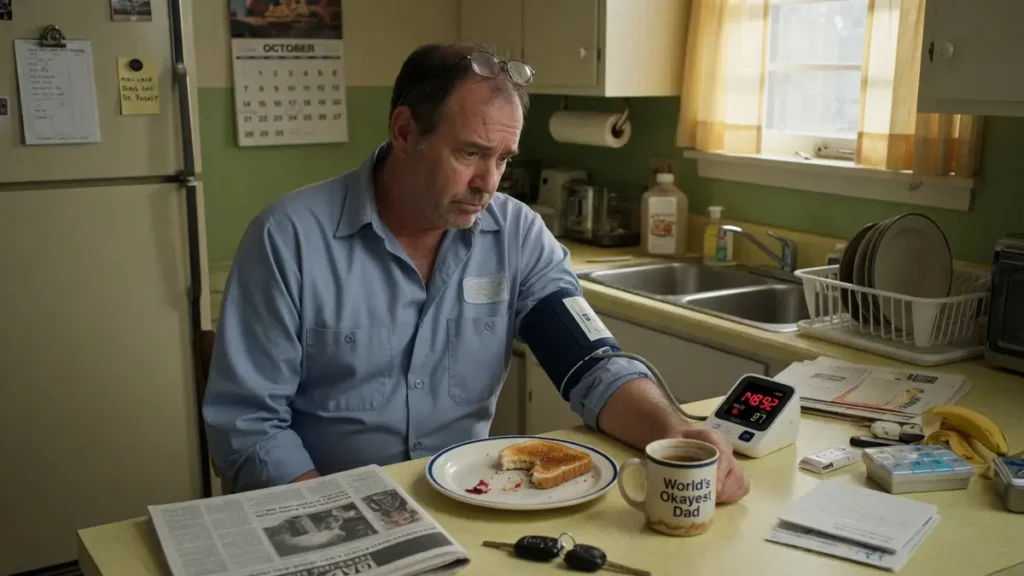
A patient leaves a check-up with a reading of 142/90 and a printout listing “beets, garlic, and dark chocolate.” By the time they get home, the list has become a vague plan to “eat healthier,” and three weeks later the number hasn’t budged. The problem usually isn’t effort. It’s that nobody explained how much any single food actually moves the needle, or how to combine the ones that do.
In this article
The honest answer is that some foods that lower blood pressure are genuinely useful, a few are oversold, and the real gains come from a pattern of eating rather than any miracle ingredient. Here’s what the evidence actually shows, measured in the only unit that matters: millimeters of mercury, or mmHg.
How Much Can Food Realistically Lower Blood Pressure?
Before ranking anything, it helps to set expectations. A single dietary change typically lowers systolic blood pressure (the top number) by somewhere between 2 and 8 mmHg. That may sound small, but it isn’t. Research suggests that dropping systolic pressure by even 5 mmHg across a population is associated with meaningfully fewer strokes and heart attacks.
Stacked together, the effects add up. People who adopt a whole dietary pattern — not one food, but a consistent way of eating — have seen reductions of 8 to 14 mmHg in studies. That’s territory that sometimes rivals a starting dose of medication. The catch: the effect depends on sticking with it, and it tends to plateau. Diet can complement blood pressure pills, but for many people with readings well into the hypertensive range, it doesn’t replace them.
More Helpful Reads You Might Like:
- Endometriosis Diet: 7 Foods That May Reduce Pain and Inflammation
- 7 Evidence-Based Zinc Benefits—And Who May Need Supplements
- Why Acid Reflux Gets Worse at Night—and What Actually Helps
The Foods With the Strongest Evidence
Not every “heart-healthy” food earns its reputation. These are the ones where the data is reasonably solid.
Potassium-rich produce
If there’s a single most underrated lever, it’s potassium. It helps the body shed sodium and relaxes blood vessel walls. Foods like bananas, potatoes (yes, the potato itself), spinach, beans, lentils, avocados, and oranges deliver it. Studies in adults with higher blood pressure have linked increased potassium intake to systolic drops of roughly 4 to 8 mmHg. The effect is strongest in people who eat a lot of sodium to begin with, because the two minerals work against each other.
One caution: people with kidney disease or those taking certain blood pressure medications (like ACE inhibitors or potassium-sparing diuretics) can’t always load up on potassium safely. That’s a conversation to have with a physician before doubling your intake.
Beets and other nitrate-rich vegetables
Beetroot juice has real data behind it. The dietary nitrates convert into nitric oxide, a molecule that widens blood vessels. Trials have shown short-term systolic reductions of around 3 to 5 mmHg, sometimes more, within hours of drinking concentrated beet juice. Leafy greens like arugula and spinach contain nitrates too. The effect is genuine but modest and somewhat short-lived, so it works best as part of a daily habit rather than an occasional shot.
Leafy greens and the broader vegetable load
Beyond nitrates, vegetables contribute fiber, potassium, magnesium, and a low sodium footprint all at once. This is why the DASH diet foods — short for Dietary Approaches to Stop Hypertension — lean heavily on produce. People who eat seven to nine servings of fruits and vegetables daily tend to have lower pressures than those eating a handful, and the difference can reach several mmHg on its own.
Beans, lentils, and other legumes
These are quietly excellent. Regular legume intake is associated with modest systolic reductions, likely from the combination of fiber, plant protein, potassium, and magnesium. They’re also a practical swap, replacing some of the processed, sodium-heavy proteins that push pressure up.
Fatty fish and omega-3s
Salmon, mackerel, and sardines provide omega-3 fatty acids. At meaningful doses, omega-3s have been linked to small reductions, often in the 2 to 4 mmHg range. Eating fish a couple of times a week is a reasonable target; high-dose supplements are a separate decision best made with a clinician.
The Foods That Are Oversold
Some popular picks deserve a reality check. Dark chocolate and garlic both show up constantly on lists of natural ways to lower blood pressure. The truth is more measured.
Dark chocolate’s flavanols may produce a tiny short-term dip, but the amounts studied often come with sugar and calories that work against you, and the effect is small. Garlic supplements have shown modest reductions in some trials, but results are inconsistent, and the doses used in studies are higher than what most people get from cooking. Neither is harmful in reasonable amounts. Just don’t expect either to carry the load.
Beet juice deserves a similar caveat: real but brief. And no single “superfood” overrides a diet otherwise full of sodium and ultra-processed food.
What Actually Moves the Number: Sodium and Patterns
Here’s the part that gets less attention than it should. What you remove often matters as much as what you add. Cutting sodium is one of the most reliable foods-to-reduce-hypertension strategies there is, because most Americans eat far more than they realize — and the bulk of it isn’t from the salt shaker. It’s hiding in bread, deli meat, canned soup, sauces, and restaurant food.
Reducing sodium intake by a meaningful amount can lower systolic pressure by roughly 5 to 6 mmHg, and more in people who are salt-sensitive. Pairing lower sodium with higher potassium amplifies both effects.
This is why asking “how much does diet lower blood pressure” rarely has a one-food answer. The best foods for high blood pressure work as a system. The DASH pattern — rich in vegetables, fruit, whole grains, legumes, low-fat dairy, nuts, and fish, while limiting sodium, red meat, and added sugar — has produced some of the largest diet-driven reductions on record, in the 8 to 14 mmHg range for people who follow it closely.
A practical way to start
- Add a potassium-rich food to every meal — beans at lunch, a baked potato or spinach at dinner, fruit as a snack.
- Replace one processed, salty item each day with a whole-food version (swap deli meat for unsalted chicken, or canned soup for a homemade one).
- Build two dinners a week around legumes instead of red or processed meat.
- Eat fatty fish once or twice weekly.
- Treat beet juice, dark chocolate, and garlic as small bonuses, not the plan.
When to Seek Medical Care
Diet is a tool, not a substitute for monitoring. Anyone with consistent home readings at or above 130/80 should be working with a clinician, not managing it solo. Seek prompt care for a reading of 180/120 or higher, especially with chest pain, shortness of breath, severe headache, vision changes, or weakness — that can signal a hypertensive emergency.
Don’t stop or adjust prescribed blood pressure medication because the diet seems to be helping. As food lowers pressure, medication sometimes needs adjusting too, but that’s a decision a physician makes, often after seeing your readings drop. Lowering pressure too far or too fast carries its own risks.
It’s also worth flagging that grapefruit interacts with several blood pressure medications, and very high potassium intake can be dangerous with certain drugs or kidney problems. A quick check with your prescriber clears this up.
Which Foods That Lower Blood Pressure Are Actually Worth Your Effort
If the goal is real, measurable change, the smart bets are potassium-rich produce, legumes, leafy greens, fatty fish, and a steady reduction in sodium — woven into something close to the DASH pattern. That combination is where the meaningful mmHg drops come from. The single foods that lower blood pressure get the headlines, but the eating pattern is what does the work, and it’s the part worth building a routine around.
Medical Disclaimer: This content is for educational purposes only and does not replace professional medical advice, diagnosis, or treatment. Always consult your physician or a qualified healthcare provider with any questions about a medical condition.
Sources & Further Reading
How we sourced this article: we rely on peer-reviewed studies, clinical guidelines and public-health agencies (CDC, NIH, AHA, WHO), check every link before publishing, and update articles when the evidence changes. Read our editorial approach.
- NHLBI: DASH Eating Plan
- CDC: High Blood Pressure Facts and Statistics
- PubMed: The Importance of Potassium in Managing Hypertension
- Mayo Clinic: DASH Diet – Healthy Eating to Lower Your Blood Pressure
- American Heart Association: Managing Blood Pressure with a Heart-Healthy Diet
- PubMed: Effect of Longer Term Modest Salt Reduction on Blood Pressure – Cochrane Systematic Review and Meta-Analysis