 Written by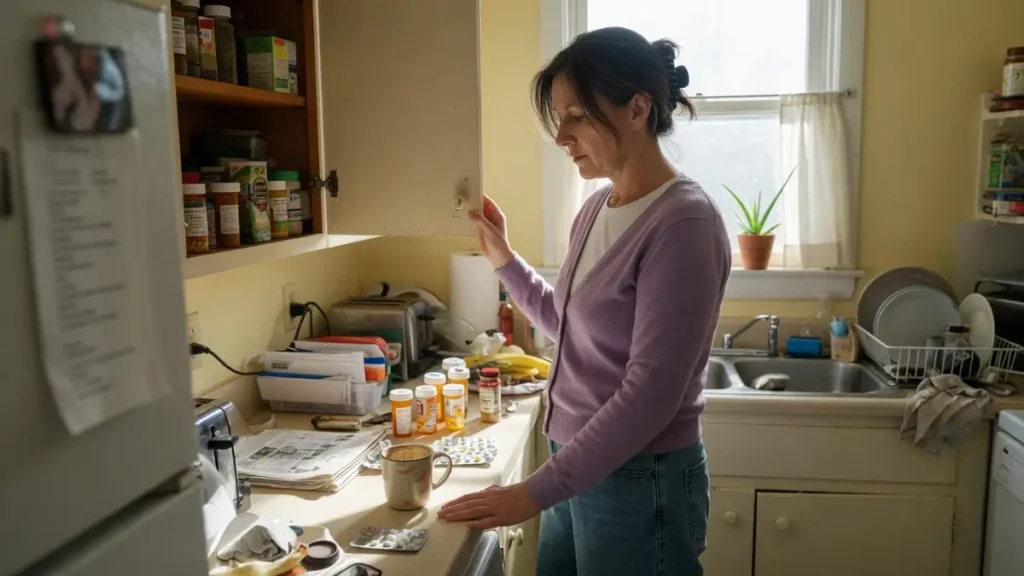
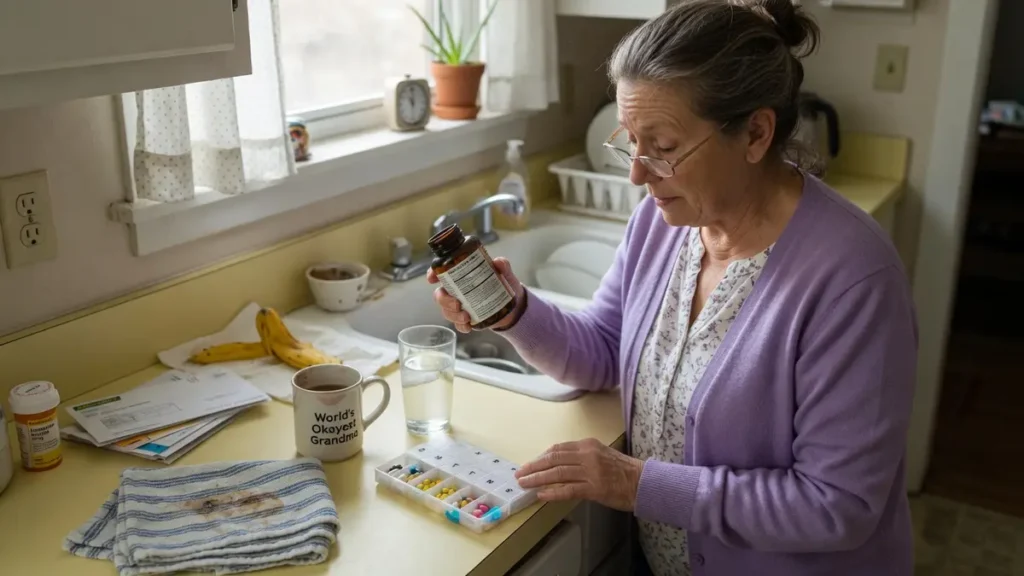
Open the average bathroom cabinet in America and you’ll find a small graveyard: a half-used bottle of antibiotics from a sinus infection two winters ago, leftover painkillers from a dental procedure, cough syrup that expired before the last election. Most of it just sits there. And when people finally decide to clear it out, they usually reach for the toilet or the trash can without thinking twice.
In this article
- Why Getting Rid of Old Medicine Matters More Than You’d Think
- Can You Flush Pills Down the Toilet? The Honest Answer
- How to Dispose of Old Medications Safely at Home
- Finding a Drug Take-Back Program Near Me
- Common Mistakes People Make
- When to Get Professional Guidance
- How to Dispose of Old Medications Safely Without Overthinking It
That instinct is understandable, but it’s often the wrong move. Knowing how to dispose of old medications safely protects the people in your home—especially kids, teens, and pets—and keeps certain drugs out of the water supply. The good news is that the safest methods are simple once you know the rules, and they take about five minutes.
Why Getting Rid of Old Medicine Matters More Than You’d Think
Leftover pills aren’t harmless just because a doctor once prescribed them. Old medications sitting in an accessible spot are a genuine safety risk. Curious toddlers swallow brightly colored tablets. Teenagers experiment with leftover opioids or stimulants. Even a well-meaning family member might take an old antibiotic for the wrong illness, which can do more harm than good.
There’s an environmental piece too. When medicine gets flushed, wastewater treatment plants aren’t designed to filter out every drug compound. Trace amounts of medication have been detected in rivers, lakes, and even some drinking water sources. The concentrations are usually very low, and the research on long-term human effects is still developing. But the principle holds: fewer drugs entering the water is better, and you have real control over your own contribution.
Expired medicine carries its own quiet problem. Some drugs lose potency over time, so they simply don’t work as well when you need them. A few can degrade in ways that make them less safe. Either way, hanging onto expired medicine “just in case” rarely pays off.
More Helpful Reads You Might Like:
- Tap Water vs Bottled Water: Which Is Actually Safer?
- How to Protect Your Mental Health at Work Without Burning Out
- 7 Proven Ways to Treat Wrinkles Without Looking Fake
Can You Flush Pills Down the Toilet? The Honest Answer
Here’s where a lot of people get tripped up. For years, flushing was the standard advice, and now it’s mostly discouraged. So can you flush pills down the toilet or not? The answer is: only a specific short list of them.
The FDA maintains what’s called a “flush list”—a small group of medications considered so dangerous if swallowed by the wrong person, even once, that flushing is recommended when no take-back option is available. This list is dominated by powerful opioids like fentanyl patches, certain oxycodone and hydromorphone products, and a handful of others. For these, the risk of a child or pet getting into them outweighs the environmental concern.
For everything else—the vast majority of what’s in your cabinet—flushing isn’t the answer. The FDA medication disposal guidelines are clear on this: if a drug isn’t on the flush list, you should either use a take-back program or dispose of it in the household trash using the method below.
The one exception worth remembering
If you’re holding a fentanyl patch and there’s no take-back site nearby, fold the sticky sides together and flush it. Used patches can still contain enough medication to seriously harm a child or pet who finds one in the garbage. This is the situation the flush list exists for.
How to Dispose of Old Medications Safely at Home
When a take-back option isn’t convenient, most medicines can go in your regular trash—but not straight out of the bottle. A loose pill bottle in the garbage is easy for someone to find and reuse. The goal is to make the medication unappealing and hard to retrieve.
Here’s how to throw away expired medicine the right way:
- Take the pills or liquid out of the original container.
- Mix them with something unpleasant that won’t dissolve neatly—used coffee grounds, dirt, or cat litter work well. Don’t crush tablets first; that isn’t necessary and can release powder.
- Put the mixture in a sealed plastic bag or an empty container with a lid.
- Toss the whole thing in your household trash.
- Before recycling or discarding the empty bottle, scratch out or peel off your name and prescription number to protect your privacy.
This approach keeps the medicine out of curious hands and off the flush list problem entirely. It’s the default method for pills, capsules, liquids, creams, and most over-the-counter products.
A quick word on inhalers and sharps
Pressurized inhalers and aerosol products shouldn’t be punctured or thrown in a fire, and some areas have specific rules for them, so check your local guidance. Needles and syringes are a separate category entirely—those belong in an approved sharps container, never loose in the trash.
Finding a Drug Take-Back Program Near Me
Take-back programs are the gold standard, and they’re more available than most people realize. These programs collect unused medication and destroy it safely, which sidesteps both the trash and the toilet.
If you search for a drug take-back program near me, you’ll usually find several options close by:
- Pharmacies. Many large chain pharmacies now have a permanent medicine disposal box—a secure kiosk near the counter where you can drop off unwanted medications anytime during business hours.
- Police stations and hospitals. A number of law enforcement offices and hospital pharmacies host collection boxes year-round.
- National Take Back Day. The DEA runs organized collection events twice a year, typically in spring and fall, with temporary sites set up in communities across the country.
- Mail-back programs. Some pharmacies and manufacturers offer prepaid envelopes so you can mail medications to a licensed disposal facility.
A medicine disposal box will usually accept prescription and over-the-counter pills, patches, and ointments. Most won’t take needles, inhalers, thermometers, or hydrogen peroxide, so it’s worth checking the posted list before you go. Controlled substances like opioids are generally welcome at DEA-authorized boxes, which is exactly why these programs matter so much.
Common Mistakes People Make
A few habits come up again and again, and they’re easy to fix once you know them.
Leaving medications in the original bottle in the trash is one—it makes them simple to identify and reuse. Pouring liquid medicine down the sink is another; the drain isn’t a safe disposal route any more than the toilet is. And handing leftover prescriptions to a friend or relative, even one with the same condition, isn’t disposal at all—it’s passing along a medication that wasn’t prescribed for them, which can be genuinely risky.
One more: don’t assume expired means useless in the moment you need to decide. If you’re unsure whether a medication is still safe or effective, a pharmacist can tell you in under a minute, and they can also confirm the best disposal route for that specific drug.
When to Get Professional Guidance
Most disposal is something you can handle yourself. A few situations, though, deserve a phone call.
If someone in your home has swallowed a medication that wasn’t meant for them, don’t wait to see what happens—contact Poison Control or emergency services right away. If you’re managing a large quantity of controlled substances, say after a family member passes away, a pharmacist or take-back site can walk you through handling them properly. And anyone caring for a person with dementia or a household with young children may want to think beyond disposal toward locked storage for the medications still in use.
Your pharmacist is an underused resource here. They deal with disposal questions constantly and can give you a clear answer for any drug you’re holding, including whether it’s on the flush list.
How to Dispose of Old Medications Safely Without Overthinking It
The whole thing really does come down to three choices. Drop medications at a take-back site or medicine disposal box whenever you can—it’s the cleanest option. If that’s not practical, mix them with coffee grounds or cat litter, seal the mixture in a bag, and put it in the trash. And flush only the specific items on the FDA’s flush list, like fentanyl patches, when nothing else is available. Learning how to dispose of old medications safely takes a few minutes today and removes a risk that would otherwise sit in your cabinet for years.
Medical Disclaimer: This content is for educational purposes only and does not replace professional medical advice, diagnosis, or treatment. Always consult your physician or a qualified healthcare provider with any questions about a medical condition.
Sources & Further Reading
How we sourced this article: we rely on peer-reviewed studies, clinical guidelines and public-health agencies (CDC, NIH, AHA, WHO), check every link before publishing, and update articles when the evidence changes. Read our editorial approach.