 Written by
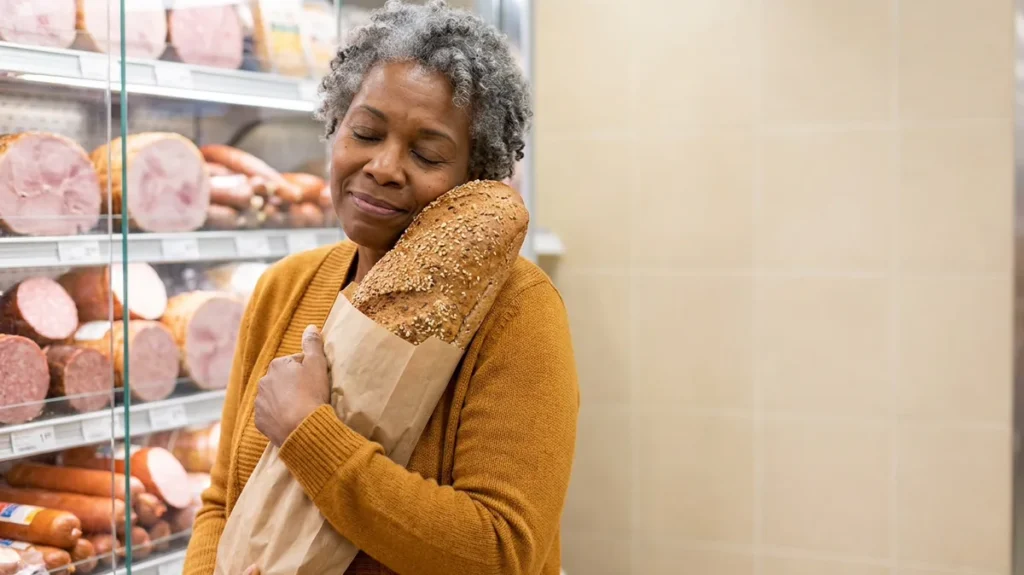
Ultra-processed food has a bad reputation for raising colon cancer risk, and last year’s headlines linking it to precancerous polyps only added to it. A large new study tells a more nuanced story. Across nearly half a million Americans followed for almost 20 years, ultra-processed food as a whole wasn’t tied to higher colon cancer risk. What was inside those foods made the difference: processed meat went with higher risk, while whole-grain bread, cereal and dairy went with lower risk.
Quick answer: A National Cancer Institute study that followed about 460,000 adults 50 and older for nearly two decades found no overall link between ultra-processed food and colon cancer. Processed meat was tied to higher risk, while whole-grain bread, whole-grain cereal and dairy were tied to lower risk. Cutting back on processed meat and keeping up with screening matter more than the “ultra-processed” label.
In this article
Is there a link between ultra-processed food and colon cancer?
No, at least not in this one. The study, led by the National Cancer Institute, found that people who ate the most ultra-processed food had about the same risk as those who ate the least. That held for the colon and the rectum alike, and for men and women.
That can feel like whiplash after a year of label-reading. One catch: researchers watched what people ate without assigning anyone a diet, so the study can show which habits went together but not that one caused the other. They also asked about diet only once, in a survey back in the mid-1990s, and Americans eat more ultra-processed food now than they did then. Still, when a study this big finds no link to colon cancer, that’s real reassurance, at least for people over 50.
Why did hot dogs and whole-grain bread cancel each other out?
The “ultra-processed” label covers factory-made foods built mostly from ingredients pulled out of other foods, plus additives. Sorting by it is a bit like sorting your groceries by the packaging instead of by what’s inside the box, and this study opened the boxes. Processed meats such as hot dogs, sausages and deli meats were tied to about 8% higher colon cancer risk for each daily serving. Ultra-processed foods such as bread, breakfast cereal and dairy desserts went the other way: the whole grain, fiber, dairy and calcium in them were tied to lower risk.
Most of the whole grain these people ate, and most of their processed meat, came from ultra-processed foods. Count them as one food group, and the higher risk from the meat and the lower risk from the grains canceled each other out. The lower risk probably comes from the whole grain, fiber and calcium themselves, not the processing. The study didn’t look at additives at all. These food-by-food results are a first look, and the researchers say other studies need to confirm them.
The rest of the plate still counted: a poor diet overall was tied to higher risk whether people ate a lot of ultra-processed food or very little. So the whole-grain cereal at breakfast isn’t the part of the day to worry about when lunch is a ham sandwich.
Does this cancel last year’s colon polyp study?
The two studies measured different things. The study behind last year’s polyp headlines looked at female nurses under 50 and counted precancerous polyps, while the new one counted cancer in people 50 and older. Both can be true, because most colon cancers start as polyps that take years to turn into cancer.
The women in that study had all had a colonoscopy or a similar scope exam before 50. Those who ate the most ultra-processed food were more likely to have the most common kind of precancerous polyp, but the study didn’t look at cancer itself. And because everyone in the new study was already 50 or older when it started, it says nothing about colon cancer in younger adults.
| Study | Who was in it | What it found |
|---|---|---|
| The new National Cancer Institute–led study (PLOS Medicine, 2026) | About 460,000 adults, 50 to 71 at the start, followed for nearly two decades | No overall link to colon cancer. Processed meat was tied to higher risk, whole grains and dairy to lower risk. |
| Last year’s nurses study (JAMA Oncology, 2025) | About 29,000 female nurses who had a colonoscopy or similar exam before 50 | Higher odds of a precancerous polyp in the women who ate the most. Cancer itself wasn’t studied. |
| Earlier studies (American Journal of Gastroenterology, 2024; BMJ, 2022) | More than a million men and women in several large studies | Slightly higher colon cancer risk in the people who ate the most. One of them found it in men only, mostly from ready-to-eat meat products. |
Lined up, these studies don’t agree on ultra-processed food as a whole. The ones that looked at meat separately, though, put processed meat on the risk side. For anyone who gave up whole-grain bread last year, the evidence points more toward the deli counter than the bread aisle.
Cut processed meat first, and keep whole grains and dairy in the cart
The researchers’ takeaway was familiar advice: eat whole grains, fiber and dairy, and avoid processed meat. Processed meat means hot dogs, ham, sausages, corned beef, jerky, and deli and canned meats. It’s a proven cause of colorectal cancer, according to the World Health Organization’s cancer agency, which puts it in its strongest evidence group. The risk climbs with how much you eat, so cutting back helps even if you don’t quit entirely.
Breakfast staples like whole-grain toast, whole-grain cereal and yogurt don’t need to go just because they came in a package. The wider research points the same way: whole grains, fiber and dairy probably lower colorectal cancer risk.
What helps is looking at what’s actually in the package, since a pack of hot dogs and a box of whole-grain cereal share a label and very little else. This isn’t a free pass, though: highly processed foods, sugary drinks and refined grains are still on the list to limit, according to the American Cancer Society.
Screening does more for your colon than any grocery swap
All that agonizing over cereal boxes deserves some perspective: no change in the cart does as much as screening, which finds polyps and early cancer. National screening guidelines recommend starting at 45 and continuing through 75 for adults at average risk with no symptoms, whatever they eat. Your doctor can go over the options, which include a colonoscopy every 10 years or a stool test every year.
That schedule is built for people at average risk. Some people need their own plan with a doctor: anyone with past polyps, inflammatory bowel disease, or a family history of an inherited cancer condition such as Lynch syndrome. Anyone with symptoms, such as a change in bowel habits, should get checked now rather than wait for a screening date.
If you’re between 45 and 75 and can’t remember your last screening, call your doctor’s office this week to find out when you’re due.
More Helpful Reads You Might Like:
- Ultra‑Processed Foods: How Much Is Too Much?
- Colon Cancer Screening Starts at 45 — Here’s What That Means for You
- The Daily Fiber Number for Colon Health (Most People Miss It)
Frequently Asked Questions
Does this study mean ultra-processed food is safe?
The study doesn’t go that far. It found no overall link with colon cancer in one large study of adults who were 50 to 71, and it couldn’t measure additives. Processed meat was tied to higher risk in the same study, and the American Cancer Society continues to advise limiting sugary drinks, refined grains and highly processed foods.
Is processed meat as bad as smoking?
Not in the way the headlines suggest. The World Health Organization’s cancer agency puts both processed meat and tobacco in its top group, but that group reflects how strong the evidence is that something causes cancer, not how big the risk is. Processed meat earned its spot mainly because of colorectal cancer, and the risk climbs with the amount eaten.
Is whole-grain bread ultra-processed?
Many packaged whole-grain breads and breakfast cereals count as ultra-processed. Even so, in the new study, the whole grain from those foods was tied to lower colon cancer risk, and the wider research rates whole grains as probably protective. Refined white bread is a different story: the American Cancer Society advises limiting refined grains.
Is cutting back on ultra-processed food still worth it?
It isn’t wasted effort, but for colon cancer the payoff looks small. In the new study, swapping a tenth of the ultra-processed food people ate for less processed food was tied to only about 2% lower risk. If colon cancer is your worry, the deli meat and your screening date deserve more of your attention.
Does this study change when I should get screened for colon cancer?
What you eat doesn’t change the start date: adults at average risk with no symptoms should start screening at 45 and continue through 75. Past polyps or another higher-risk history calls for a different schedule that your doctor sets, and new symptoms are a reason to get checked now.
Medical Disclaimer: This content is for educational purposes only and does not replace professional medical advice, diagnosis, or treatment. Always consult your physician or a qualified healthcare provider with any questions about a medical condition.
Sources & Further Reading
How we sourced this article: we rely on peer-reviewed studies, clinical guidelines and public-health agencies (CDC, NIH, AHA, WHO), check every link before publishing, and update articles when the evidence changes. Read our editorial approach.
- PLOS Medicine: Associations of food processing and dietary risk factors with colorectal cancer incidence in the NIH-AARP Diet and Health Study: A cohort study (Abar, … Loftfield)
- JAMA Oncology: Ultraprocessed Food Consumption and Risk of Early-Onset Colorectal Cancer Precursors Among Women (Wang … Chan)
- BMJ: Association of ultra-processed food consumption with colorectal cancer risk among men and women: results from three prospective US cohort studies (Wang et al.)
- American Journal of Gastroenterology: Ultra-Processed Food Consumption and Gastrointestinal Cancer Risk: A Systematic Review and Meta-Analysis (Meine et al.)
- Journal of Nutrition: The WCRF/AICR Third Expert Report on Diet, Nutrition, Physical Activity, and Cancer: Impact and Future Directions
- World Cancer Research Fund: Bowel cancer causes
- IARC (WHO): Q&A on the carcinogenicity of the consumption of red meat and processed meat (IARC Monographs Vol. 114)
- American Cancer Society: Guideline for Diet and Physical Activity for Cancer Prevention
- U.S. Preventive Services Task Force: Colorectal Cancer: Screening
- Cleveland Clinic: What Ultra-Processed Foods Are