
Category: General Health

For years, the advice seemed simple: if you have diabetes, avoid sugar and choose a sugar substitute. But in 2026, the question has become more nuanced. New research suggests that some sweeteners—especially certain sugar alcohols—may carry potential cardiovascular risks when consumed in high amounts. At the same time, reducing added sugar remains a critical goal…

Cruise vacations are designed for relaxation—ocean views, warm breezes, and maybe a soak in a hot tub at sunset. So when news reports mention Legionnaires’ disease on cruise ships, it can understandably raise concern. The good news: the overall risk to travelers remains low. But understanding what this infection is, how it spreads, and what…

A simple blood draw to detect Alzheimer’s disease once sounded like science fiction. For decades, confirming the biological changes linked to Alzheimer’s required either a spinal tap or a specialized brain scan—tests that can be expensive, invasive, or difficult to access. Now, Alzheimer’s blood tests are moving from research labs into real-world clinics. The question…

Artificial intelligence is no longer a futuristic concept in medicine. AI in healthcare is already being used in hospitals, clinics, and imaging centers across the United States. For many patients, the question is no longer whether artificial intelligence in healthcare exists—but what it actually means for their safety, diagnoses, and everyday care. Here is what…

When measles makes headlines again — as it recently has with the Wake County measles outbreak — one question quickly follows: Do I need a measles booster? For many adults, vaccination feels like something handled decades ago. But measles outbreaks tend to bring uncertainty. Is childhood protection enough? Should adults get another MMR vaccine dose?…
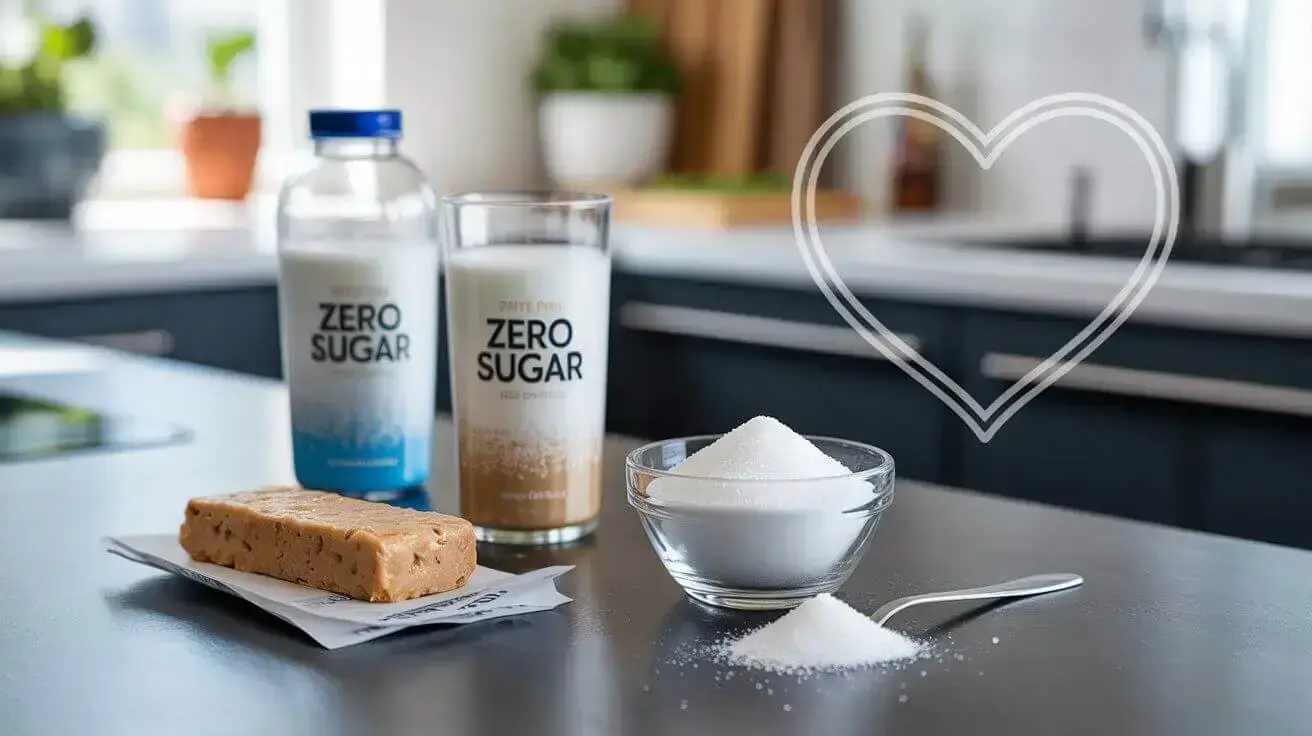
Zero-sugar drinks. Keto snacks. Protein bars. “Sugar-free” desserts. For many Americans trying to cut back on sugar, erythritol sweetener has seemed like a smart alternative. It tastes sweet, has almost no calories, and doesn’t spike blood sugar the way regular sugar does. But recently, erythritol sweetener has been trending across news headlines and social media.…
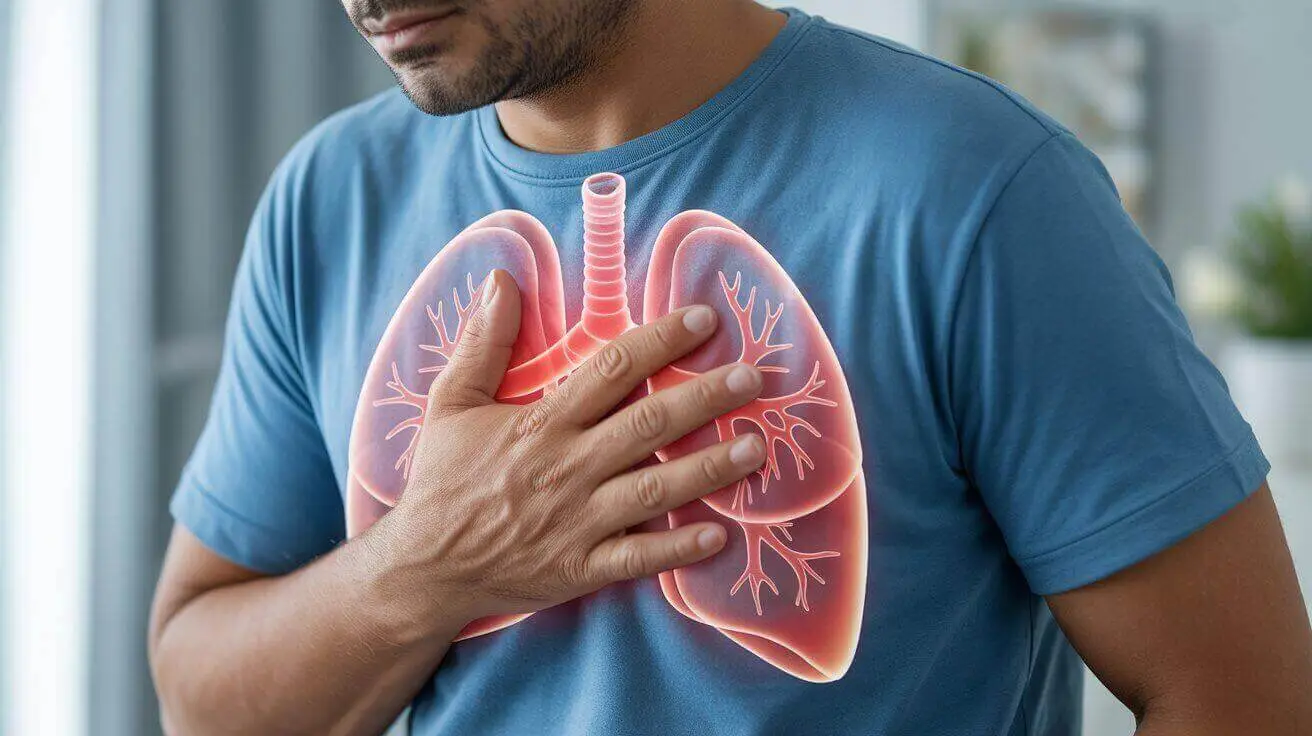
Pulmonary embolism often arrives without warning. One moment everything feels normal; the next, breathing becomes difficult, the chest feels tight, or the heart starts racing. For many people, the most unsettling part is that pulmonary embolism causes can begin quietly—sometimes days or weeks before symptoms appear. Understanding pulmonary embolism causes is one of the most…

When Chris Hemsworth revealed that he carries a higher genetic risk for Alzheimer’s disease, the internet reacted fast. Headlines blurred the facts. Social media filled the gaps with fear. Many people were left with the wrong impression — that the actor had been diagnosed, or that Alzheimer’s was somehow inevitable. Neither is true. Chris Hemsworth…

In early 2026, reports of a Nipah virus outbreak in India began circulating beyond public health circles and into everyday news feeds. For many Americans, the reaction was immediate: Is this dangerous? Can it spread easily? Is this something we should be worried about? The Nipah virus is not a household name, yet it repeatedly…

For many people, the idea of treating obesity with a weekly injection has felt like a major hurdle—even when the results looked promising. Some delayed care. Others never started. Now, a new option is changing that conversation: the Wegovy pill, a once-daily oral medication designed to support meaningful weight loss without needles. This development has…