It’s a familiar feeling for many: after a weekend of indulging in rich foods or a period of stress-filled, less-than-ideal eating habits, you feel sluggish, bloated, and just not quite right. In these moments, the promise of a “reset” can be incredibly appealing. That’s exactly where the idea of a colon cleanse comes in — a method marketed as a way to flush out toxins and start fresh with a clean slate. It’s a powerful concept, and it’s the core marketing message behind the booming colon cleanse industry.
Promoters of colonic irrigation, hydrotherapy, and various over-the-counter cleansing products claim they can boost your energy, improve your immune system, help with weight loss, and rid your body of harmful toxins. But what does the science actually say?
More Helpful Reads You Might Like:
- The Gut-Brain Connection: How Your Gut Health Affects Mood
- What Causes Bloating? 7 Common Causes You Ignore
- Understanding Lactose Intolerance Symptoms and How to Feel Better
- Is It More Than Just a Stomach Ache? Gluten Intolerance Symptoms
- Can Stale Coffee Upset Your Stomach? What Happens to Day-Old Brew
Your Colon: A Master of Self-Cleaning
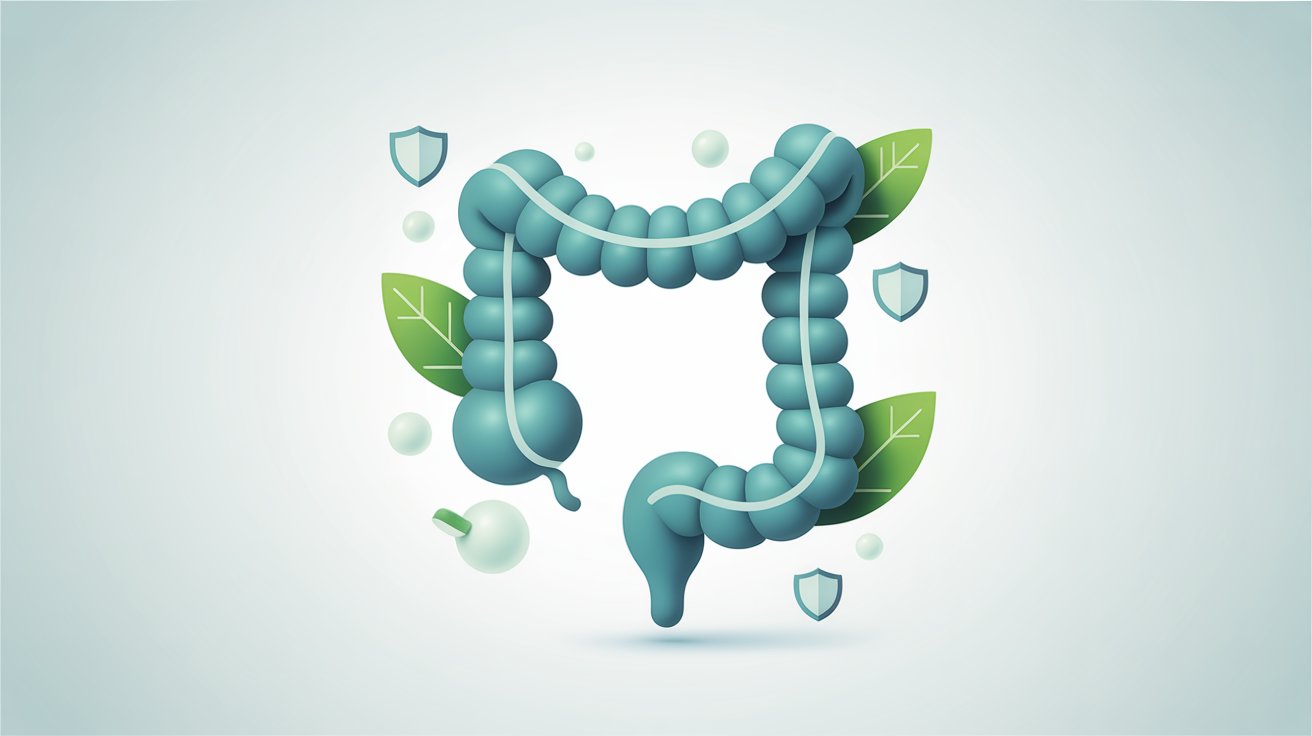
Before we delve into the claims about cleanses, it’s important to understand the remarkable organ at the center of this discussion: your colon. The colon, or large intestine, is the final part of your digestive tract. It’s a muscular tube, approximately five feet long, with a sophisticated and vital role in your overall health. Its primary functions are to absorb water and electrolytes from indigestible food matter and then to form and propel the remaining waste material (stool) out of the body.
But the colon is far from just a waste-processing plant. It is home to a vast and complex ecosystem of trillions of microorganisms, including bacteria, viruses, and fungi, collectively known as the gut microbiome. This microscopic world is so influential that many healthcare providers now refer to it as a “virtual organ.”
Your gut microbiome is essential for:
- Digestion: It helps break down complex carbohydrates and fibers that your body cannot digest on its own, producing vital nutrients like short-chain fatty acids in the process.
- Vitamin Synthesis: These microbes are responsible for producing essential vitamins, including B vitamins and vitamin K.
- Immune System Training: A staggering 70-80% of your immune cells reside in your gut. The microbiome helps train these cells to distinguish between harmless bacteria and dangerous pathogens.
- Maintaining a Protective Barrier: A healthy microbiome helps maintain the integrity of your intestinal lining, preventing harmful substances from leaking into your bloodstream.
This system is designed to be self-regulating and self-cleaning. The idea that toxic waste builds up on the walls of the colon — a theory known as “autointoxication” — has been largely discredited by modern science. Instead, we now understand that the body actively and continuously filters and eliminates waste through well-established natural processes.
Why Colon Cleanses Are Unnecessary
The fundamental premise of a colon cleanse is that you need to manually flush out this supposed toxic buildup. However, there is no scientific evidence to support this claim. A systematic review published in The American Journal of Gastroenterology conducted a thorough search of medical literature and came to a clear conclusion: there are no methodologically rigorous controlled trials to support the practice of colonic cleansing for general health promotion.
The digestive system is already adept at eliminating waste material and bacteria. The liver and kidneys are the body’s primary detoxification organs, working around the clock to filter your blood and remove any harmful substances. The waste products are then eliminated through urine and feces. A healthy body does not require external help to perform these essential functions.
The Hidden Risks: Why Colon Cleansing Can Be Harmful
While the benefits are questionable, the risks of colon cleansing are very real — and well documented:
1. Disruption of the Gut Microbiome
Colon cleansing doesn’t just flush out waste — it can also wash away trillions of beneficial bacteria that your body depends on for digestion, nutrient absorption, and immune function. The balance of your gut microbiome, which takes years to develop, can be disrupted in just a few hours, potentially leaving your digestive system weaker, not stronger.
2. Worsening of Inflammatory Bowel Conditions
For people with conditions that cause inflammation or make the intestinal lining more fragile, colon cleansing can be especially risky. This includes diseases like Crohn’s and ulcerative colitis, but also conditions such as diverticulitis, certain types of colitis (infectious or autoimmune), and even some cases of irritable bowel syndrome that involve inflammation. In these situations, the gut is already sensitive—and introducing large amounts of fluid under pressure can make things worse by irritating or damaging the already-inflamed tissue.
3. Electrolyte Imbalance and Dehydration
Flushing the colon can throw off your body’s balance of key electrolytes like sodium, potassium, and magnesium. This is especially risky for people with heart or kidney conditions and can lead to symptoms like muscle weakness, irregular heartbeat, or even organ failure in severe cases.
4. Risk of Serious Infections
Using unsterilized equipment or improper techniques can introduce harmful bacteria into the colon. These infections can spread beyond the digestive tract and, in rare cases, become life-threatening if not treated promptly.
5. Intestinal Perforation
Although rare, inserting a tube into the rectum and applying water under pressure can cause a tear in the intestinal wall. This can lead to peritonitis — a serious medical emergency that requires immediate surgery.
The Real Path to a Healthy Gut: Evidence-Based Solutions
Feeling better and improving your digestive health is a valid and important goal. The good news is that you can achieve it without resorting to risky and unproven procedures. The key is to support your body’s natural processes through lifestyle and diet. Here are some evidence-based strategies to promote gut health naturally:
- Embrace a High-Fiber Diet: Fiber is the preferred food for your beneficial gut bacteria. It adds bulk to your stool, promoting regular bowel movements. Aim for a variety of fiber-rich foods like fruits, vegetables, whole grains, legumes, nuts, and seeds.
- Stay Hydrated: Water is essential for proper colon function. It helps soften stool, making it easier to pass. Ensure you are drinking adequate amounts of water throughout the day.
- Get Moving: Regular physical activity helps stimulate the natural contractions of your intestinal muscles, which helps move stool through your system and prevents constipation.
- Consider Probiotics and Prebiotics: Probiotics are live beneficial bacteria found in fermented foods like yogurt, kefir, and sauerkraut. Prebiotics are types of fiber that feed these friendly bacteria. Including these in your diet can help support a healthy microbiome.
- Listen to Your Body: Pay attention to how different foods make you feel. If you consistently experience bloating, gas, or discomfort after eating certain things, it may be worth discussing with a healthcare provider.
When to See a Doctor
While occasional digestive discomfort is normal, persistent symptoms are not. If you are experiencing chronic constipation, diarrhea, severe bloating, unexplained weight loss, or see blood in your stool, it is crucial to seek medical advice. These can be signs of an underlying medical condition that requires proper diagnosis and treatment. Attempting to “self-treat” with a colon cleanse can delay an accurate diagnosis and potentially worsen your condition.
In conclusion, while the promise of a quick fix is tempting, the science on colon cleanse safety is clear: your colon does not need to be “cleansed.” It is a remarkable, self-maintaining organ with a powerful microbial ecosystem that works tirelessly to keep you healthy. The safest and most effective way to support your digestive health is not through forceful irrigation, but by nourishing your body with a healthy diet, staying hydrated, and living an active lifestyle. Trust in your body’s incredible ability to take care of itself—it’s been doing it all along.
Medical Disclaimer: This content is for educational purposes only and does not replace professional medical advice, diagnosis, or treatment. Always consult your physician or a qualified healthcare provider with any questions about a medical condition.
Frequently Asked Questions (FAQ)
Is a colon cleanse the same as the prep for a colonoscopy?
That’s an excellent and very important question. No, they are fundamentally different in both purpose and method. The bowel preparation for a colonoscopy is a medically supervised procedure prescribed by a doctor. Its sole purpose is to completely empty the colon so that the physician can have a clear view of the colon walls to screen for polyps and signs of cancer. It typically involves drinking a specific, FDA-approved laxative solution. A recreational colon cleanse, or colonic, is not medically supervised, uses different methods like irrigation, and is based on the unproven theory of “detoxification.”
Can a colon cleanse help me lose weight?
While a colon cleanse might result in a temporary drop on the scale, this is not true fat loss. The perceived weight loss is simply due to the removal of water and stool from your colon. It’s a transient effect and the weight will return as you eat and drink normally. There is no scientific evidence to suggest that colon cleansing is an effective or safe strategy for sustainable weight management. True weight loss is achieved through a combination of a balanced diet, regular physical activity, and sustainable lifestyle changes.
What about the toxins? Don’t I need to get rid of them?
This is one of the most pervasive myths in the wellness industry. Your body is expertly equipped with its own powerful detoxification systems. Your liver acts as the primary filter, processing everything you consume and neutralizing harmful substances. Your kidneys then filter waste from your blood, which is expelled through urine. Your colon itself is constantly shedding its lining and eliminating waste. You do not need to “cleanse” your colon to get rid of toxins; your body is already doing that job for you, 24/7.
Are there any natural ways to “cleanse” my colon?
Yes, but it’s not about “cleansing” in the way that products market it. It’s about supporting your body’s natural digestive processes. The most effective way to do this is by eating a diet rich in dietary fiber from sources like vegetables, fruits, whole grains, and legumes. Fiber acts like a “scrub brush” for your intestines and provides food for your beneficial gut bacteria. Drinking plenty of water is also crucial, as it helps soften stool and keeps your system running smoothly. Regular exercise can also promote healthy bowel function. These natural, evidence-based methods are the safest and most effective way to maintain a healthy colon.
Sources & Further Reading
•Clinical effects of colonic cleansing for general health promotion: a systematic review – Acosta, R. D., & Cash, B. D. (2009). The American journal of gastroenterology, 104(11), 2830–2836. (PubMed/National Library of Medicine)
•Colon cleansing: Is it helpful or harmful? – (2024). Mayo Clinic.
•Why You Should Avoid Colon Cleansing – (2025). Cleveland Clinic.
•“Detoxes” and “Cleanses”: What You Need To Know – National Center for Complementary and Integrative Health (NCCIH), National Institutes of Health (NIH).
•Colon cleanse: Health or hype? – (2025). MD Anderson Cancer Center.
•No evidence supports colonic irrigation for IBS – American College of Gastroenterology.