Most people assume bottled water is the safer choice.
It looks cleaner. It tastes neutral. It comes sealed.
But when the science and regulations are examined closely, the answer to the tap water vs bottled water question becomes far less obvious—and often surprising.
For many households in the United States, tap water is not only safe, but sometimes more tightly regulated and monitored than bottled water. At the same time, certain situations may still call for extra caution.
Understanding the difference can help avoid unnecessary costs—and in some cases, reduce exposure to overlooked risks.
Why the “Tap Water vs Bottled Water” Debate Matters
Water is something people consume every single day. Even small differences in quality or contaminants can add up over time.
The tap water vs bottled water discussion is not just about convenience. It involves:
- Long-term exposure to chemicals
- Risk of contamination
- Daily habits that affect overall health
Many people choose bottled water assuming it is “pure” or “cleaner.” But that perception is not always supported by evidence.
Is Tap Water Safe to Drink in the U.S.?
How Tap Water Is Regulated
Tap water in the United States is regulated by the Environmental Protection Agency (EPA) under the Safe Drinking Water Act.
Public water systems are required to:
- Test water regularly for contaminants
- Meet strict safety standards
- Inform the public about water quality through annual reports
This means tap water undergoes continuous monitoring, not just occasional testing.
The Centers for Disease Control and Prevention (CDC) notes that U.S. tap water is among the safest in the world when these standards are met.
Common Tap Water Contaminants to Know
Even with strong regulation, tap water is not completely free of concerns.
Some potential issues include:
- Lead: Often from older pipes, not the water source itself
- Disinfection byproducts: Formed when chlorine is used to kill germs
- PFAS (“forever chemicals”): Found in some regions
Importantly, most of these are closely monitored and regulated, and levels are kept within safety thresholds.
Still, risk can vary depending on location, infrastructure, and home plumbing.
More Helpful Reads You Might Like:
Bottled Water Safety: What Most People Don’t Realize
Where Bottled Water Actually Comes From
One of the most overlooked facts in the tap water vs bottled water debate:
A large portion of bottled water is simply filtered municipal tap water.
While some brands use spring water, others rely on public water sources that are then treated and packaged.
Bottled water is regulated by the Food and Drug Administration (FDA), but:
- Testing is typically less frequent than tap water
- Public reporting is not required in the same way
This difference in transparency is rarely discussed.
Microplastics in Bottled Water and Why It Matters
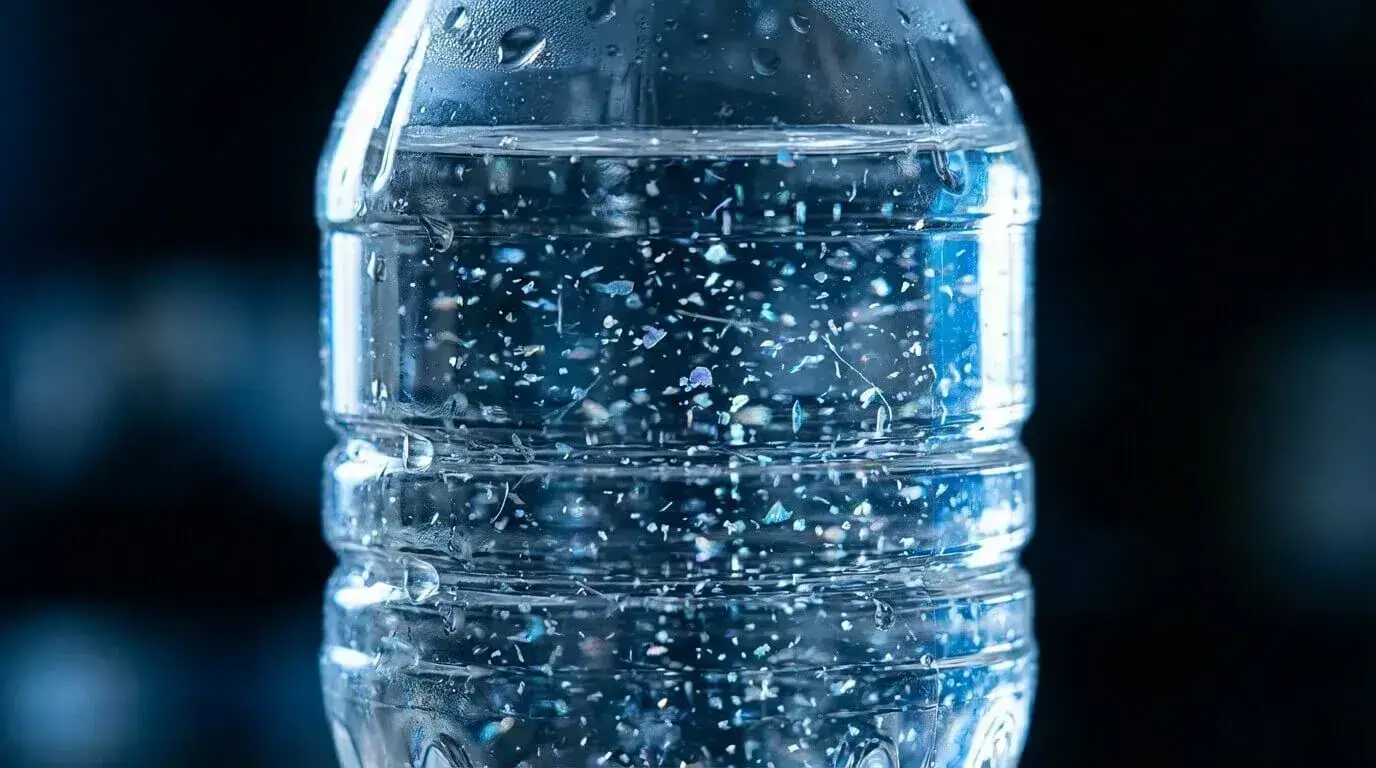
One of the biggest emerging concerns is microplastics in bottled water.
Studies published in scientific journals indexed on PubMed have found:
- Bottled water often contains higher levels of microplastics than tap water
- Plastic packaging can release particles over time
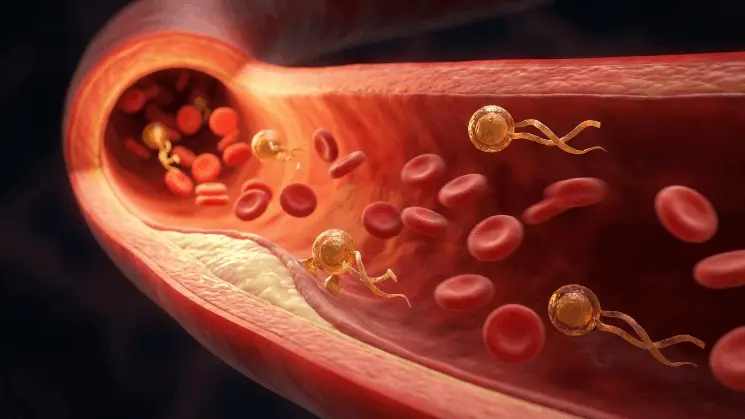
These particles are tiny—often invisible—but may enter the body with regular consumption.
Research is still ongoing, but some studies suggest potential links to:
- Inflammation
- Hormonal disruption
- Cellular stress
Not everyone is affected in the same way, and long-term health effects are still being studied. However, this is an area receiving increasing attention from public health researchers.
Tap Water vs Bottled Water: Key Safety Differences
When comparing tap water vs bottled water directly, several patterns stand out:
Tap water:
- More frequent testing
- Greater regulatory oversight
- Public transparency
- Lower risk of microplastic exposure
Bottled water:
- Less consistent monitoring
- Potential exposure to microplastics
- Variable quality depending on source
- Longer storage times
This does not mean bottled water is unsafe. In many cases, it meets safety standards.
But it challenges the common belief that bottled water is automatically the safer choice.
When Bottled Water May Be the Better Option
There are situations where bottled water may be more appropriate.
For example:
- During boil water advisories
- After natural disasters
- In areas with known contamination issues
- When traveling to places with uncertain water quality
In these cases, bottled water can provide a reliable short-term solution.
How to Make Tap Water Safer at Home
For those concerned about tap water quality, simple steps can significantly improve safety and taste.
Choosing the Right Water Filter
Not all filters are the same.
Depending on the type, filters can reduce:
- Lead
- Chlorine
- Certain chemicals, including some PFAS
Look for filters certified by organizations like NSF International.
Simple Habits That Improve Water Safety
A few practical habits can make a difference:
- Let tap water run briefly if pipes are old
- Use cold water for drinking and cooking
- Replace filters regularly
- Avoid storing water in plastic containers exposed to heat
These small changes can help reduce exposure to unwanted contaminants.
The Bottom Line: Tap Water vs Bottled Water
The idea that bottled water is always safer than tap water does not hold up well under closer examination.
In many parts of the United States, tap water is:
- Carefully regulated
- Frequently tested
- Safe for daily use
Bottled water can still play a role in specific situations. But for everyday hydration, it is not necessarily the superior option—and may introduce its own concerns, especially related to microplastics.
For many households, the most practical approach is simple:
Use tap water, improve it with filtration if needed, and stay informed about local water quality.
Medical Disclaimer
This content is for educational purposes only and does not replace professional medical advice, diagnosis, or treatment. Always consult your physician or a qualified healthcare provider with any questions about a medical condition.
Sources & Further Reading
PubMed — Microplastics in bottled water research
https://pubmed.ncbi.nlm.nih.gov/40555020/
CDC — Drinking Water and Your Health
https://www.cdc.gov/drinking-water/about/water-quality-and-your-health.html
EPA — Safe Drinking Water Act Overview
https://www.epa.gov/sdwa/overview-safe-drinking-water-act
Harvard Health — The risks of bottled water
https://www.health.harvard.edu/blog/water-water-everywhere-2016110310577
NIH — Environmental health and water contaminants
https://www.niehs.nih.gov/health/topics/agents/water-poll