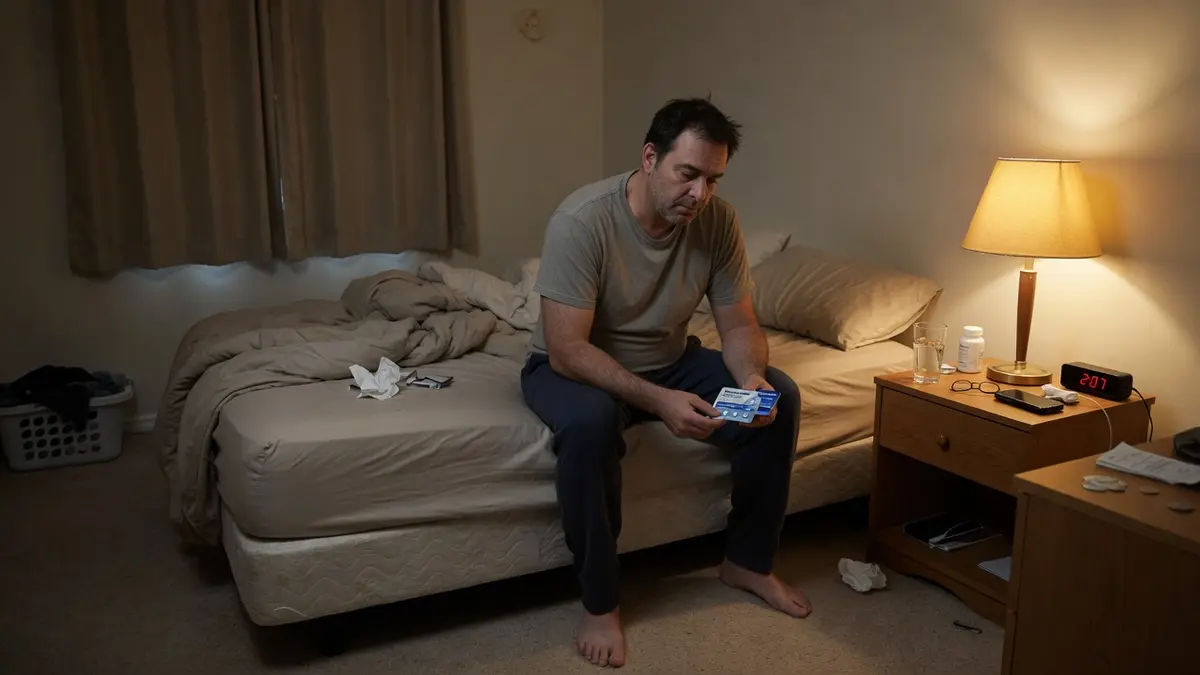
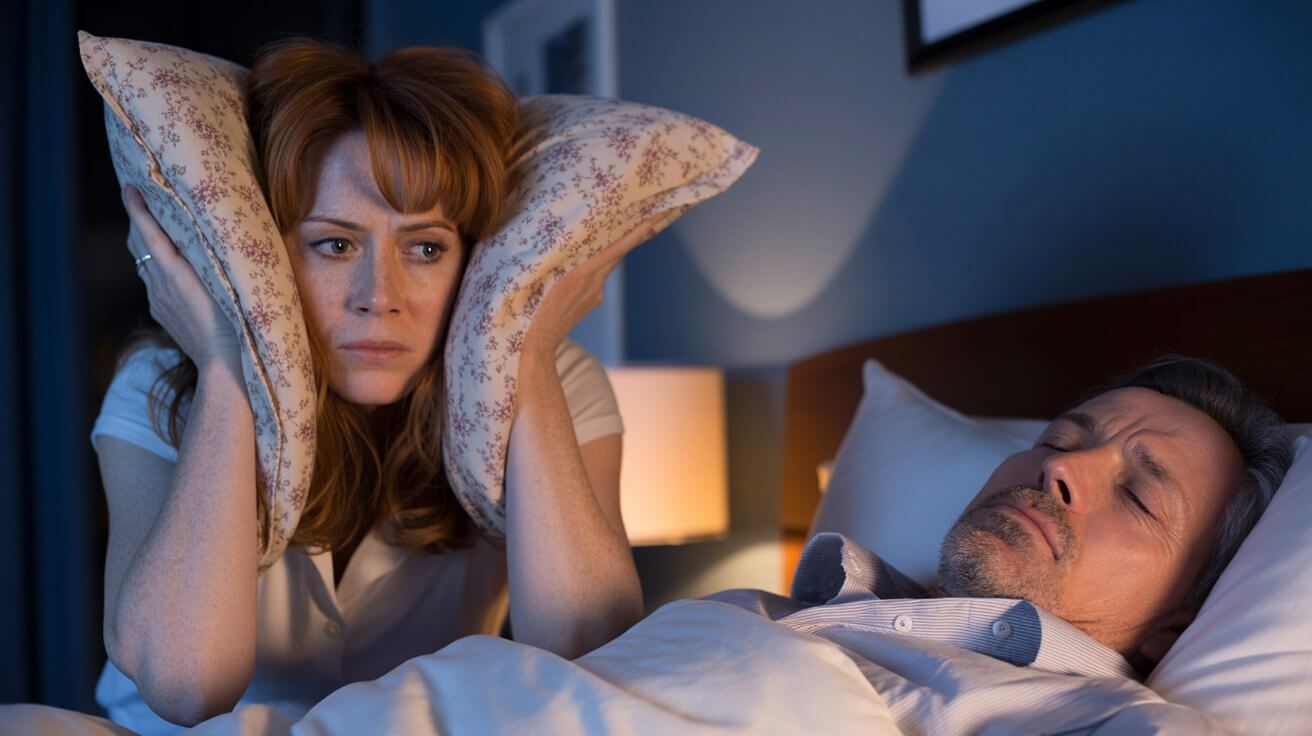
It’s a familiar scene in many households. One person is sound asleep, while the other lies awake, staring at the ceiling, listening to a rhythmic, rumbling sound that just won’t quit. Snoring can feel like a minor annoyance, a running joke, or even a source of significant relationship friction. But beyond the noise, it can sometimes be a signal from the body that deserves attention. Understanding what causes snoring is the first step, but learning how to stop snoring is the goal for quieter nights and better sleep for everyone involved.
Snoring is, in essence, a sound produced by vibrating tissues in the throat. When you fall asleep, the muscles in your mouth, tongue, and throat naturally relax. For some individuals, these tissues can relax to the point where they partially block the airway. As air flows past them during breathing, it causes these soft tissues to vibrate, creating the characteristic sound of a snore. The narrower the airway becomes, the more forceful the airflow, and the louder the snoring.
Several factors can contribute to this airway narrowing. The anatomy of one’s mouth and sinuses, alcohol consumption, allergies, a common cold, and body weight can all play a role. It’s a complex interplay of anatomy and lifestyle, which is why what works for one person might not work for another.
More Helpful Reads You Might Like:
Is It Just Snoring, or Something More Serious Like Obstructive Sleep Apnea?
While most snoring is harmless (known as simple or primary snoring), it can sometimes be a red flag for a more serious condition called obstructive sleep apnea (OSA). In OSA, the throat tissues don’t just partially block the airway—they block it completely, causing the person to stop breathing for short periods throughout the night.
These pauses, or “apneas,” can happen dozens or even hundreds of times per night. The brain senses the lack of oxygen and briefly rouses the person from sleep to reopen the airway. Most of the time, these awakenings are so brief that the individual doesn’t remember them in the morning.
Key signs that might suggest sleep apnea instead of simple snoring include:
- Loud, disruptive snoring punctuated by moments of silence, gasping, or choking.
- Waking up with a headache in the morning.
- Excessive daytime sleepiness, regardless of how many hours were spent in bed.
- Difficulty concentrating or memory problems.
- Waking up with a dry mouth or sore throat.
If these symptoms are present, a conversation with a healthcare provider is essential. A sleep study may be recommended to determine if sleep apnea is the underlying cause.
Practical Strategies and Snoring Remedies for Quieter Nights
For those wondering how to stop snoring, several lifestyle adjustments and simple snoring remedies can make a significant difference. These strategies focus on keeping the airway open and promoting better sleep hygiene.
1. Adjust Your Sleeping Position
Sleeping on your back is often the worst position for snoring. In this position, gravity pulls the tongue and soft palate backward, narrowing the airway.
- Try side-sleeping: This is often the most effective change. Using pillows to prop yourself up or even sewing a tennis ball onto the back of a pajama shirt can help train you to stay on your side.
- Elevate your head: Using a thicker pillow or an adjustable bed to raise your head by about four inches can help keep the airway open by preventing throat tissues from collapsing.
2. Maintain a Healthy Weight
Excess weight, particularly around the neck, can increase the amount of fatty tissue in the back of the throat. This can narrow the airway and is a primary contributor to both snoring and sleep apnea. Even a modest weight loss of 10% can significantly reduce throat tissue and improve airflow.
3. Avoid Alcohol and Sedatives Before Bed
Alcohol is a potent muscle relaxant. Consuming it within a few hours of bedtime can cause the throat muscles to relax more than usual, increasing the likelihood of snoring. Similarly, sedatives and certain sleep aids can have the same effect. It is advisable to avoid these substances, especially in the evening.
4. Address Nasal Congestion
A blocked nose forces you to breathe through your mouth, which increases the chances of snoring.
- Nasal strips: These adhesive strips are placed on the outside of the nose and work by gently pulling the nasal passages open.
- Saline rinses: Using a neti pot or saline spray before bed can help clear out allergens and mucus from the sinuses.
- Humidifier: Dry air can irritate the membranes in the nose and throat. A humidifier adds moisture to the air, which can help reduce congestion and soothe the airways.
5. Stay Well-Hydrated
Dehydration can lead to stickier secretions in the mouth and soft palate, which can contribute to snoring. Drinking plenty of water throughout the day is a simple but often overlooked strategy.
6. Strengthen Throat and Tongue Muscles to Stop Snoring Naturally
Just like any other muscle, the muscles in your throat can be strengthened. Performing specific “oral exercises” may help stop snoring naturally by toning the muscles of the tongue, soft palate, and throat, making them less likely to collapse during sleep. Examples include:
- Sliding the tip of your tongue backward along the roof of your mouth.
- Pressing your entire tongue upward against the roof of your mouth.
- Saying each vowel (a-e-i-o-u) out loud for a few minutes each day.
A Path to Peaceful Sleep
Finding a solution for how to stop snoring is often a process of trial and error. It requires patience and a willingness to experiment with different strategies. For many, a combination of these lifestyle changes can lead to quieter nights and more restful sleep.
Remember, while snoring is common, it doesn’t have to be a permanent fixture in your life. By taking these proactive steps, you are not just chasing silence; you are investing in better health and well-being for yourself and your partner. If snoring persists despite these efforts, or if you suspect it might be linked to sleep apnea, seeking medical advice is always the best course of action. A peaceful night’s sleep is within reach.
Medical Disclaimer: This content is for educational purposes only and does not replace professional medical advice, diagnosis, or treatment. Always consult your physician or a qualified healthcare provider with any questions about a medical condition.
Frequently Asked Questions (FAQ)
Can losing just a little weight really help with snoring?
Yes, absolutely. For some individuals, even a modest weight loss of 10% can make a significant difference. Excess weight, especially around the neck, can add fatty tissue to the back of the throat, which narrows the airway. By reducing this tissue, the airway is more likely to stay open during sleep, which can lessen or even eliminate snoring.
Are over-the-counter anti-snoring devices effective?
The effectiveness of over-the-counter (OTC) devices varies greatly from person to person. Nasal strips, for example, can be very helpful for individuals whose snoring is caused by nasal congestion. However, many other OTC mouthguards or devices are not custom-fitted and may not work as intended. It is often best to try lifestyle changes first. If snoring persists, consulting a healthcare provider or a dentist specializing in sleep medicine for a custom-fitted oral appliance is a more reliable option.
Will drinking water right before bed stop me from snoring?
While staying well-hydrated throughout the day is important to prevent sticky secretions in your throat that can contribute to snoring, drinking a large amount of water right before bed is not a direct solution and may disrupt your sleep by causing you to wake up to use the bathroom. The key is consistent hydration during your waking hours, not a last-minute glass of water.
My partner says I stop breathing at night. Should I be worried?
Yes, this is a symptom that should be taken seriously. If your partner observes that you have pauses in breathing, followed by gasping or choking sounds, it is a strong indicator of obstructive sleep apnea (OSA). Unlike simple snoring, OSA is a medical condition that requires diagnosis and treatment. It is highly recommended that you schedule an appointment with a healthcare provider to discuss these symptoms and potentially undergo a sleep study.
Sources & Further Reading
- “Impact of lifestyle modifications on snoring and mild sleep apnoea patients” (PubMed/Journal of Laryngology & Otology): https://pubmed.ncbi.nlm.nih.gov/34372962/
- Mayo Clinic – “Snoring: Diagnosis and treatment”:
https://www.mayoclinic.org/diseases-conditions/snoring/diagnosis-treatment/drc-20377701 - Sleep Foundation – “How to Stop Snoring”:
https://www.sleepfoundation.org/snoring/how-to-stop-snoring - Harvard Health Publishing – “Snoring solutions”:
https://www.health.harvard.edu/staying-healthy/snoring-solutions - Cleveland Clinic – “Snoring: Causes, Remedies & Prevention”:
https://my.clevelandclinic.org/health/diseases/15580-snoring - American Academy of Sleep Medicine (AASM ) – “Snoring – A ‘Wake-Up’ Call”:
https://sleepeducation.org/sleep-disorders/snoring/