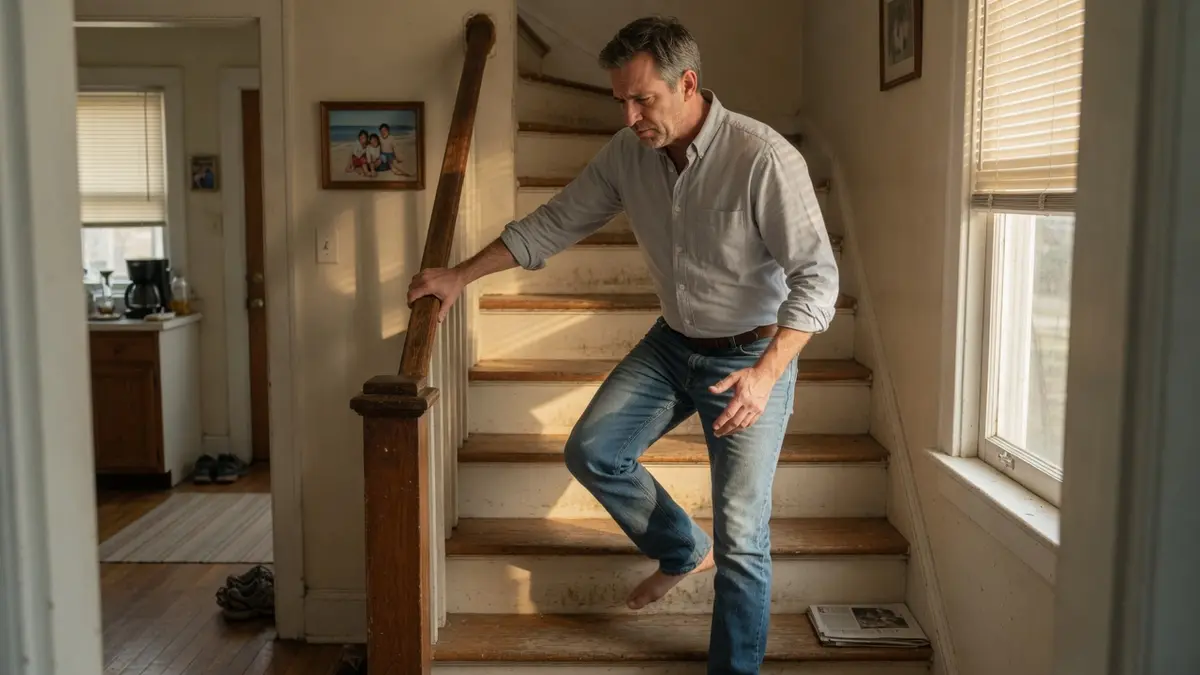

The sun is warm, the soil is calling, and the promise of fresh blooms and homegrown vegetables is in the air. For millions of Americans, gardening is more than a hobby—it’s a source of joy and a rewarding form of exercise. But as you lose yourself in the rhythm of planting and weeding, a familiar ache can begin to creep in, turning a peaceful pastime into a source of misery. If this sounds familiar, you are not alone. Back pain is one of the most common complaints among gardeners, but understanding how to avoid back pain after gardening is the first step toward reclaiming your hobby, pain-free.
More Helpful Reads You Might Like:
The Science of Gardening Back Pain: Why Your Back Hurts After a Day in the Yard
It may surprise some to learn that gardening is a significant physical workout. An hour of light gardening can burn approximately 330 calories, which is more than some forms of bicycling or light weightlifting [1]. The activity demands a wide range of movements—lifting, twisting, leaning, kneeling, and squatting—that engage muscles and joints throughout the body. For many individuals who lead a more sedentary life during the week, this sudden burst of intense, repetitive activity can be a shock to the system.
The human spine is a marvel of engineering, with a natural S-shaped curve designed to act like a spring, evenly distributing the forces of gravity and movement. However, many common gardening postures, such as hunching over to pull weeds or bending at the waist to lift a bag of mulch, flatten these natural curves. As Dr. Andrew Bang, a chiropractor at the Cleveland Clinic, explains, this concentrates immense pressure on single discs and vertebrae, particularly in the lower back [1]. This focused strain, repeated over hours, is a primary culprit behind the muscle soreness, ligament sprains, and even disc injuries that can occur.
Furthermore, the repetitive nature of tasks like digging, raking, and pruning can lead to what are known as repetitive strain injuries (RSIs). These injuries affect muscles, tendons, and nerves, and are exacerbated by awkward postures and forceful motions [2]. When you combine these factors, it becomes clear that without proper care, the garden can become a high-risk environment for back injury.
From Prevention to Practice: Your Guide to a Pain-Free Gardening Season
Protecting your back doesn’t mean giving up your passion. It means gardening smarter. By incorporating ergonomic principles and evidence-based strategies, you can learn how to avoid back pain after gardening. The following table summarizes key strategies recommended by physiatrists, physical therapists, and organizations like the American Academy of Orthopaedic Surgeons (AAOS).
| Strategy | Medical Rationale & Expert Recommendations |
| 1. Warm-Up and Cool-Down | Treat gardening like any other workout. A 5-minute brisk walk and gentle stretches, such as the back-flexion exercise (pulling knees to chest), prepare your muscles for activity. Post-gardening, light walking and stretching can help reduce delayed onset muscle soreness. As Dr. Bang notes, “Motion is lotion, and it will help with the healing” [1]. |
| 2. Master Your Body Mechanics | The golden rule of lifting is to squat, don’t bend. Keep your back straight, use both hands, and hold heavy objects close to your body. Physical therapists emphasize engaging your glutes and squaring up to the object you are lifting. When shoveling, point your lead foot toward your target in a slight lunge to avoid harmful twisting motions [3]. |
| 3. Diversify Your Tasks | Avoid holding one position for too long. Experts recommend switching tasks every 20-30 minutes. If you’ve been weeding, switch to pruning or watering. This rotation prevents the cumulative strain that comes from repetitive movements and sustained awkward postures [1, 4]. |
| 4. Invest in Ergonomic Tools | The right tools can make a world of difference. Long-handled trowels and cultivators reduce the need to bend. Garden stools, heavy-duty kneelers with padded handles, and garden scooters minimize twisting and stress on your knees and back. For taller individuals, using tools that are appropriately sized is crucial to avoid hunching [4]. |
| 5. Modify Your Garden Layout | Consider alternative gardening methods that bring the plants to you. Raised garden beds, vertical wall gardens, and container gardening can eliminate much of the bending and kneeling that strains the back. Using wheeled caddies to move heavy pots further reduces the need for lifting [4]. |
| 6. Listen to Your Body | Pain is your body’s warning signal. Do not push through it. Take frequent breaks to stand, stretch, and hydrate. If you feel a sharp or persistent pain, it’s time to stop for the day. Ignoring these signals can turn a minor strain into a major injury [1]. |
The Healing Power of the Garden: A Surprising Ally for Back Health
While gardening can pose risks, recent research highlights its profound therapeutic benefits, even for those with existing back conditions. A 2024 study from the University of Florida, published in Alternative Therapies in Health and Medicine, explored the effects of therapeutic horticulture on individuals with chronic lower back pain. The study found that guided gardening activities, involving gentle reaching, stretching, and bending, led to a pronounced improvement in participants’ well-being. Most significantly, it reduced their anxiety about movement and exercise [5].
Dr. Heather Vincent, the study’s principal investigator, emphasizes that gardening can be a “non-threatening way for people who are afraid of pain to stretch and move more” [5]. The engaging and functional movements of gardening can “sneak movement in” without the fear often associated with formal exercise, helping to break the cycle of pain and inactivity that can worsen chronic conditions.
Building a Resilient Back: Key Exercises for Spine Health in Gardening
To further fortify your back against injury, the American Academy of Orthopaedic Surgeons (AAOS) recommends a spine conditioning program focused on strength and flexibility. A strong core, including your abdominal and back muscles, provides essential support for your spine during physical activity. Incorporating the following exercises into your regular routine can help build a more resilient back.
• Bird Dog: This exercise enhances core stability. Start on your hands and knees, then extend one arm straight out while extending the opposite leg. Hold for 15 seconds, then switch sides.
• Hip Bridge: Lie on your back with your knees bent. Tighten your abdominal and gluteal muscles and lift your pelvis until your body forms a straight line from your shoulders to your knees. Hold for 15 seconds.
• Plank: This classic exercise strengthens the entire core. Hold a straight-body position, supported by your forearms and toes, for 30 seconds.
• Knee to Chest: Lie on your back and gently pull one knee toward your chest, holding for 5 seconds. This helps to stretch the lower back and glutes.
It is crucial to perform these exercises with proper form and to consult with a doctor or physical therapist to ensure they are appropriate for your specific condition [6].
A Future of Pain-Free Gardening
Gardening should be a source of tranquility and fulfillment, not a cause of physical pain. By understanding the biomechanics of back strain, adopting ergonomic practices, and proactively strengthening your body, you can cultivate a garden that nurtures both the land and your long-term health. This season, make a commitment to care for your back as diligently as you care for your plants. Your body will thank you for it, allowing you to enjoy the fruits of your labor for many years to come.
If you consistently experience back pain after gardening despite these precautions, it is important to consult with a healthcare professional. They can provide a proper diagnosis and a personalized treatment plan to get you back to the garden you love, safely and without pain.
Medical Disclaimer: This content is for educational purposes only and does not replace professional medical advice, diagnosis, or treatment. Always consult your physician or a qualified healthcare provider with any questions about a medical condition.
Frequently Asked Questions (FAQ)
1. Can I still garden if I have a chronic back condition like a herniated disc?
For individuals with chronic back conditions, gardening is often possible but requires careful modifications and a doctor’s approval. It is essential to discuss your specific condition with a physiatrist or physical therapist. They may recommend using raised garden beds, specialized ergonomic tools, and specific stretching exercises. The key is to avoid activities that trigger pain, such as deep bending or heavy lifting, and to focus on movements that support spine health in gardening.
2. What are the most common mistakes people make that lead to gardening back pain?
The most frequent mistakes include bending at the waist instead of squatting with the legs, twisting the spine while lifting, staying in one position for too long without breaks, and trying to lift objects that are too heavy. Many people also neglect to warm up before they start, treating gardening as a casual activity rather than the physical workout it is. Learning how to avoid back pain after gardening starts with correcting these common habits.
3. Are there specific types of plants or garden setups that are better for people with back pain?
Yes, focusing on container gardening, vertical gardens, or raised beds can dramatically reduce the strain on your back by bringing the plants to a more accessible height. Low-maintenance plants and ground covers that require less weeding are also excellent choices. This approach minimizes the need for bending and kneeling, which are common triggers for gardening back pain.
4. When should I see a doctor for my back pain after gardening?
You should see a doctor if the pain is severe, persists for more than a few days, or is accompanied by other symptoms like numbness, tingling, or weakness in your legs. While some muscle soreness is normal after physical activity, sharp, shooting, or constant pain is a sign that you may have a more significant injury that requires medical attention.
Sources & Further Reading
[1] Cleveland Clinic. (2024). How To Prevent Yard Work From Causing Back Pain. https://health.clevelandclinic.org/back-pain-after-gardening [2] Yassi, A. (1997). Repetitive strain injuries. The Lancet. https://pubmed.ncbi.nlm.nih.gov/9093264/ [3] Lake Washington Physical Therapy. (2019). A Physical Therapist’s Guide to Pain-Free Gardening. https://www.lakewashingtonpt.com/gardening/2019/7/22/a-physical-therapists-guide-to-pain-free-gardening [4] Spine-health. (2020). 11 Ways to Keep Gardening with Back Pain. https://www.spine-health.com/blog/11-ways-keep-gardening-back-pain [5] University of Florida. (2024). Gardening: A natural solution for chronic lower back pain. https://blogs.ifas.ufl.edu/news/2024/07/29/gardening-a-natural-solution-for-chronic-lower-back-pain/ [6] American Academy of Orthopaedic Surgeons. (n.d.). Spine Conditioning Program. OrthoInfo. https://orthoinfo.aaos.org/en/recovery/spine-conditioning-program/