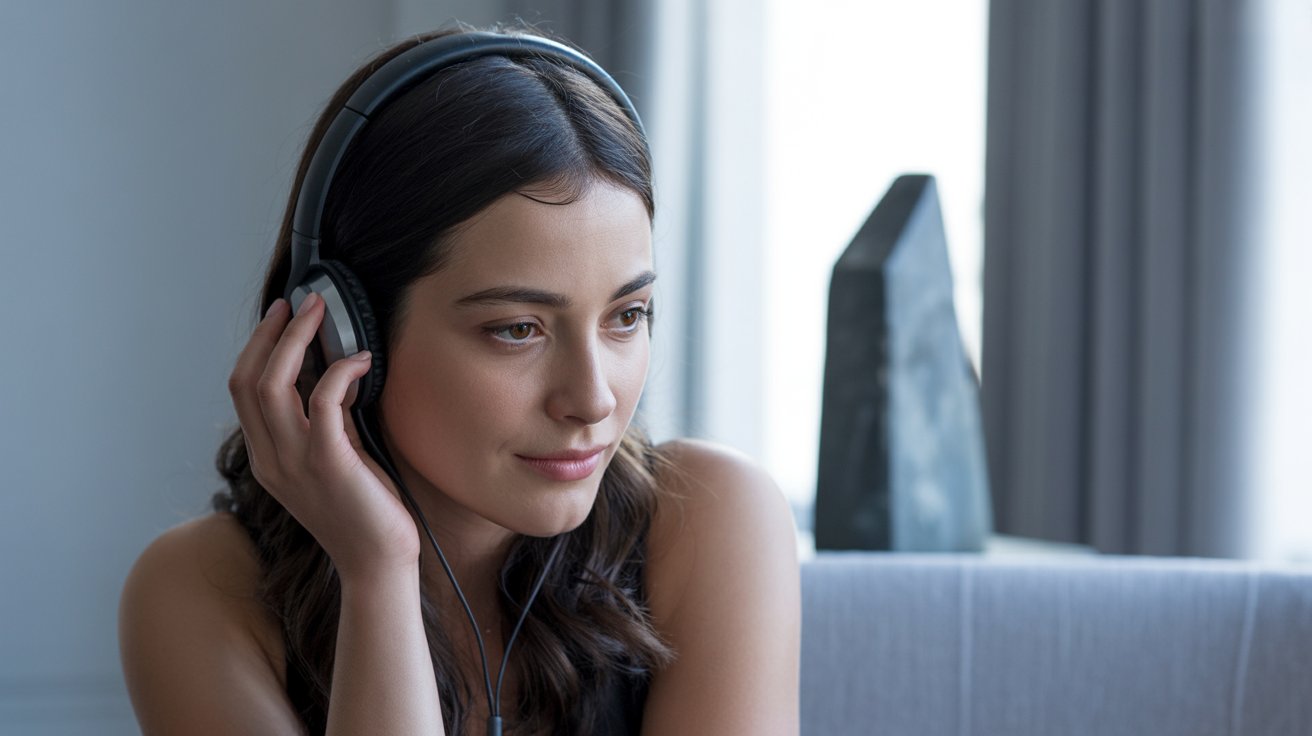
Whether you’re streaming your favorite playlist, taking Zoom calls, or catching up on podcasts, headphones have become a daily essential. But if you’ve ever pulled out your earbuds after a long listening session and noticed your ears ringing or feeling “full,” you might have wondered: Can headphones actually damage your hearing?
The short answer is: **yes, they can—**but only if used improperly. Let’s break down what’s happening inside your ears, why volume and duration matter, and how to protect your hearing without giving up your AirPods.
What Happens Inside Your Ears?
To understand how headphones can impact your hearing, let’s take a quick journey through your ears.
Inside your inner ear is a delicate structure called the cochlea, which looks a bit like a snail shell. Lining the cochlea are tiny hair cells (yes, actual microscopic hairs), which convert sound vibrations into electrical signals that your brain interprets as sound.
These hair cells are incredibly sensitive—and unlike the hair on your head, they don’t grow back. Once damaged, they’re gone for good. This damage is what leads to noise-induced hearing loss (NIHL).
More Helpful Reads You Might Like:
How Loud Is Too Loud?
The volume of sound is measured in decibels (dB). Normal conversation is about 60 dB. A hairdryer might hit 90 dB. And concerts? Easily 100 dB or more.
Most headphones at maximum volume can reach up to 100–110 dB, especially with noise-canceling models that deliver a more immersive experience. According to the Centers for Disease Control and Prevention (CDC), exposure to sounds above 85 dB for extended periods can damage your hearing.
Here’s a general rule from audiologists:
🎧 The 60/60 rule — Listen at no more than 60% of maximum volume for no longer than 60 minutes at a time.
Warning Signs of Hearing Damage
You may not notice hearing loss right away. It often sneaks up gradually. Here are some red flags:
- Ringing in your ears (called tinnitus), especially after listening
- Muffled sounds or needing to turn up the volume on everything
- Asking people to repeat themselves often
- Trouble hearing conversations in noisy environments (like restaurants)
If any of these sound familiar, it’s worth scheduling a hearing test with an audiologist.
Kids and Teens Are Especially at Risk
Today’s children grow up with earbuds practically glued to their ears—streaming music, gaming, or watching YouTube. But young ears are extra sensitive to sound damage, and they’re not always aware of how loud is too loud.
According to the World Health Organization, over 1 billion young people worldwide are at risk of hearing loss due to unsafe listening practices. That includes using headphones at high volumes for long periods.
Parents can help by:
- Setting volume limits on devices
- Encouraging regular breaks from listening
- Buying kid-safe headphones with built-in volume limits
The Science of Sound Fatigue
Ever feel exhausted after wearing headphones all day? That’s not just social burnout—it could be auditory fatigue.
When your ears are constantly processing sound, especially loud or compressed digital audio, your brain works overtime. This can lead to:
- Headaches
- Difficulty concentrating
- Increased sensitivity to sound
- Sleep disturbances
Giving your ears regular breaks helps prevent fatigue and long-term damage.
Are Some Headphones Safer Than Others?
Yes! Not all headphones are created equal when it comes to ear health. Here’s how different types stack up:
🎧 Over-Ear Headphones
- Tend to be safer when used properly
- Sit outside your ear canal, distributing sound more evenly
- Often better sound quality at lower volumes
🎧 In-Ear Earbuds
- Deliver sound directly into your ear canal
- Can be more damaging at high volumes
- Noise-canceling models help reduce the need to crank up the volume
🧠 Pro tip:
Noise-canceling headphones can help reduce outside distractions, allowing you to listen at lower volumes in loud environments like airplanes or public transport.
How to Protect Your Hearing—Without Ditching Your Headphones
You don’t need to toss your earbuds to save your hearing. A few mindful habits can go a long way:
- Turn it down. Keep volume below 60%. If someone next to you can hear your music, it’s too loud.
- Take listening breaks. Follow the 60/60 rule and let your ears rest.
- Invest in quality. Choose headphones with good sound isolation so you don’t have to blast the volume.
- Use hearing protection. If you’re regularly exposed to loud environments (like concerts or construction), wear earplugs.
- Get regular check-ups. Especially if you notice changes in your hearing or have a family history of hearing loss.
When to See a Professional
If you notice consistent ringing, muffled hearing, or difficulty understanding conversations, it’s time to talk to a hearing specialist. An audiologist can perform a hearing test and recommend solutions—from protective tips to hearing aids if needed.
Final Thoughts: Listen Smart
Music, podcasts, and digital communication are part of modern life—and we shouldn’t have to give them up. But your hearing is precious. By making a few simple changes in how you use your headphones, you can enjoy sound and protect your ears for years to come.
So the next time you press play, ask yourself: Is it worth the volume? Your future self might thank you.
Medical Disclaimer: This content is for educational purposes only and does not replace professional medical advice, diagnosis, or treatment. Always consult your physician or a qualified healthcare provider with any questions about a medical condition.
Sources & Further Reading
- Centers for Disease Control and Prevention (CDC). “Loud Noise Can Cause Hearing Loss.” CDC.gov
- Mayo Clinic. “Young people wearing earbuds or headphones? Listen up.” MayoClinic.org
- National Institutes of Health (NIH). “Noise-Induced Hearing Loss.” NIDCD.nih.gov
- World Health Organization. “Hearing Loss in Young People.” who.int