
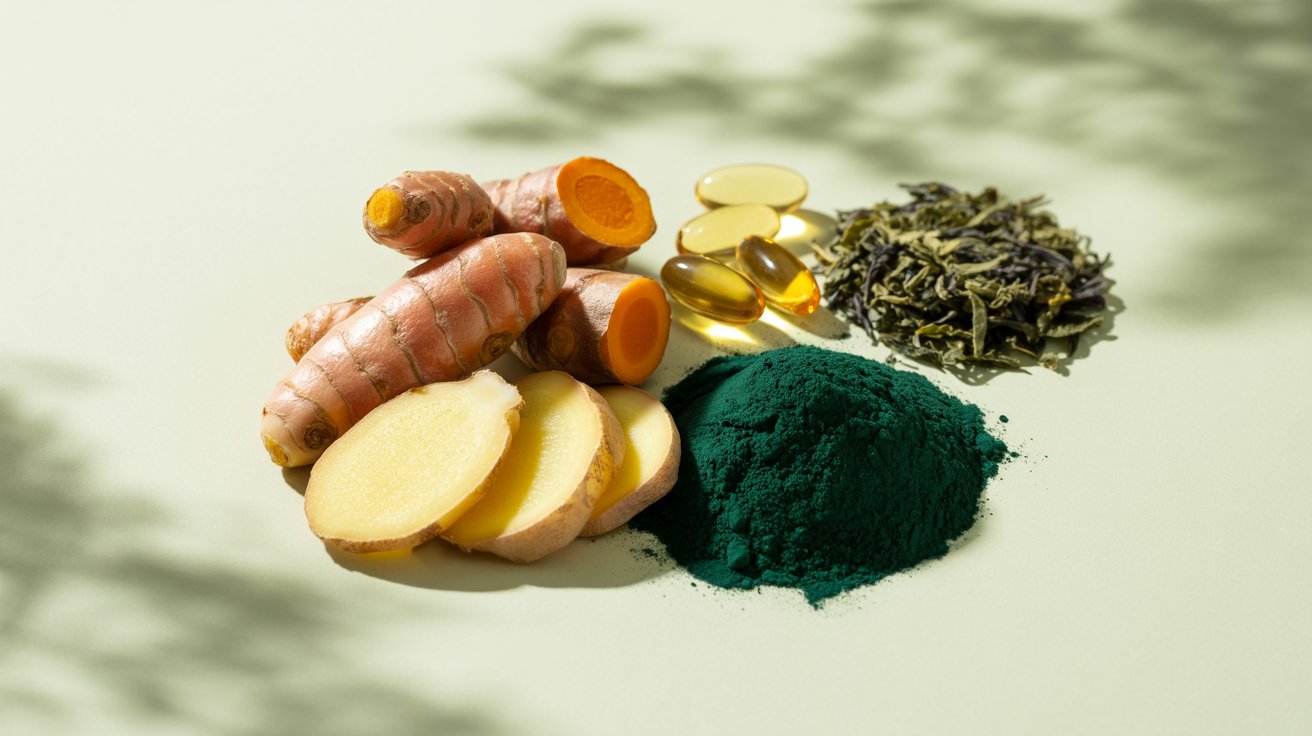
Inflammation has become a major wellness buzzword, but what does it really mean — and which supplements for inflammation are proven to help? From social media trends to scientific research, it’s easy to get confused. Let’s break down what inflammation actually is and explore which natural supplements truly work, according to real evidence.
What Is Inflammation, Really?
Inflammation isn’t always bad. In fact, it’s part of your body’s natural defense system. When you get a cut, catch a cold, or fight an infection, your immune system sends out chemical messengers (like cytokines and prostaglandins) that trigger swelling, heat, and redness — all signs that your body is working to heal.
That’s called acute inflammation, and it’s usually short-term and helpful.
But problems arise when inflammation sticks around too long — something doctors call chronic inflammation. Over time, chronic inflammation can damage healthy tissues and is linked to conditions like heart disease, diabetes, arthritis, Alzheimer’s disease, and even certain cancers.
Diet, stress, sleep, and activity all play roles in inflammation — but supplements can also help reduce it when used wisely.
More Helpful Reads You Might Like:
The Science of Anti-Inflammatory Supplements
Let’s explore what science says about some of the most studied natural supplements for inflammation. We’ll separate the hype from the evidence.
1. Omega-3 Fatty Acids (Fish Oil and Algae Oil)
Best for: Heart health, arthritis, and general inflammation balance.
Omega-3s — found in fish oil and some plant or algae oils — are among the most well-studied anti-inflammatory supplements. The key components, EPA (eicosapentaenoic acid) and DHA (docosahexaenoic acid), help reduce inflammatory molecules in the body.
They work by competing with omega-6 fatty acids (common in processed foods) in your cell membranes, which affects how your body produces inflammation-signaling compounds.
Evidence:
- Studies show that omega-3 supplements can lower levels of inflammatory markers like C-reactive protein (CRP) and interleukin-6 (IL-6).
- The American Heart Association supports omega-3s for cardiovascular benefits and joint health.
Food tip: You can also get omega-3s from salmon, sardines, walnuts, and flaxseed.
2. Turmeric (Curcumin)
Best for: Joint pain, arthritis, and general inflammation.
Turmeric — the golden spice in curry — contains curcumin, its active compound with powerful anti-inflammatory and antioxidant effects.
Curcumin works by blocking NF-κB, a protein that turns on genes linked to inflammation. It’s been studied for conditions ranging from osteoarthritis to metabolic syndrome.
The catch: your body doesn’t absorb curcumin very well on its own — most of it passes through the digestive system before it can do much good.
Here’s how to fix that in real life:
- Add black pepper whenever you use turmeric in food.
Black pepper contains piperine, a natural compound that can boost curcumin absorption by up to 2,000%.
👉 For example: sprinkle a pinch of black pepper when you add turmeric to eggs, soups, roasted veggies, or smoothies — it makes a real difference. - Choose supplements that combine curcumin with piperine (you’ll often see “black pepper extract” on the label) or use liposomal or phytosomal forms, which help your body absorb curcumin more effectively.
- Take it with a meal that includes healthy fats, such as olive oil, avocado, nuts, or salmon. Curcumin is fat-soluble, meaning it dissolves and absorbs best when eaten with fat.
💡 In short:
If you want to get the most out of turmeric, pair it with black pepper and some healthy fat — whether you’re adding it to your meals or taking it as a supplement. That simple combo helps your body actually use the anti-inflammatory power of curcumin.
3. Ginger
Best for: Muscle soreness, arthritis, and gut inflammation.
Ginger isn’t just for nausea. Its active compounds — gingerols and shogaols — can inhibit the production of pro-inflammatory cytokines and enzymes like COX-2, similar to how some pain relievers work.
Evidence:
- Studies show ginger can help reduce pain and inflammation in people with osteoarthritis and may speed recovery from exercise-induced muscle soreness.
- A 2020 review in Phytotherapy Research found that daily ginger supplementation lowered CRP levels, suggesting systemic anti-inflammatory effects.
Tip: Fresh ginger tea can also be a soothing daily ritual for inflammation support.
4. Green Tea Extract (EGCG)
Best for: Metabolic inflammation, brain health, and longevity support.
Green tea is rich in catechins, especially EGCG (epigallocatechin gallate), a compound known for both antioxidant and anti-inflammatory properties.
EGCG reduces inflammation by regulating cellular signaling pathways, including NF-κB and MAPK, which are key players in chronic inflammatory diseases.
Some studies suggest that EGCG may be linked to reductions in inflammatory markers and improvements in insulin sensitivity, at least in experimental models or small clinical trials. There’s also some evidence that EGCG could be associated with a lower risk of heart disease and certain types of cancer, although these connections aren’t yet considered definitive in humans.
Caution: Green tea extract is generally well tolerated in moderate doses, but high amounts can sometimes stress the liver. It may also interact with certain medications — especially blood thinners like warfarin, since compounds in green tea can affect how your body processes clotting. If you take prescription medications or have a liver condition, it’s best to check with your doctor before starting an EGCG supplement.
5. Boswellia Serrata (Indian Frankincense)
Best for: Joint pain, arthritis, and autoimmune-related inflammation.
Boswellia is a natural resin extract that’s been used for centuries in Ayurvedic medicine to ease inflammation and pain. Its active compounds, called boswellic acids, are thought to block 5-lipoxygenase (5-LOX) — an enzyme that helps produce leukotrienes, molecules that drive chronic inflammation in the body.
By moderating this pathway, Boswellia may help calm inflammatory activity and protect joint tissues from further damage.
What the research suggests:
Several studies indicate that Boswellia supplements may help reduce joint pain and stiffness in people with osteoarthritis and rheumatoid arthritis. A 2019 clinical review suggested that consistent use — typically over several weeks — may improve joint mobility and overall function, potentially enhancing quality of life for those dealing with chronic joint issues.
6. Spirulina
Best for: General inflammation, oxidative stress, and immune balance.
Spirulina is a nutrient-dense type of blue-green algae that’s packed with antioxidants, vitamins, and plant-based protein. One of its key active compounds, phycocyanin, is what gives spirulina its striking deep blue color — and many of its anti-inflammatory benefits.
Phycocyanin appears to help the body manage oxidative stress — the imbalance between free radicals and antioxidants — and may gently downregulate pro-inflammatory molecules involved in chronic inflammation.
What the research suggests:
Preliminary human studies suggest that spirulina supplementation may help lower C-reactive protein (CRP), a common marker of inflammation, and support immune function. Some research also indicates potential benefits for cholesterol and blood sugar regulation, likely due to its antioxidant and metabolic effects.
7. Resveratrol
Best for: Inflammation related to aging, cardiovascular health, and metabolic balance.
Resveratrol is a natural polyphenol found in red grapes, blueberries, and other berries — and yes, also in red wine. It’s often studied for its potential to mimic some effects of calorie restriction, which may help support mitochondrial function and reduce low-grade inflammation that tends to increase with age.
What the research suggests:
Some studies suggest that resveratrol may help lower inflammatory markers such as TNF-alpha and C-reactive protein (CRP), and support healthy blood vessel function. Other research indicates that its benefits are more modest but appear more consistent when combined with healthy lifestyle habits like regular exercise and a Mediterranean-style diet.
Supplements That Have Mixed or Limited Evidence
Some supplements are often marketed as anti-inflammatory but don’t have strong evidence yet. These include chondroitin, glucosamine, MSM, and herbal blends. They might help certain individuals, but results are inconsistent across studies.
When in doubt, check if a supplement has been tested in human clinical trials — not just animal or lab studies.
Safety First: What to Know Before Taking Any Supplement
Even though these supplements come from natural sources, they can still interact with medications or have side effects.
Here are a few key safety tips:
- Talk to your doctor or pharmacist before starting any supplement, especially if you take blood thinners, diabetes medications, or have liver/kidney conditions.
- Look for products with third-party testing (USP, NSF, or ConsumerLab) to ensure purity and correct dosing.
- Be cautious with “mega doses.” More isn’t always better — many anti-inflammatory effects plateau at moderate doses.
- Supplements work best alongside, not instead of, healthy habits like a balanced diet, regular exercise, quality sleep, and stress management.
Bottom Line
These supplements don’t replace a healthy lifestyle — in fact, your daily habits remain the most powerful tool for controlling inflammation. But they can serve as helpful allies in supporting your body’s natural balance and easing chronic inflammation.
It’s also worth noting that much of the research on natural anti-inflammatory supplements is still ongoing, and while early findings are promising, more large-scale studies are needed to fully understand their long-term effects.
Medical Disclaimer: This content is for educational purposes only and does not replace professional medical advice, diagnosis, or treatment. Always consult your physician or a qualified healthcare provider with any questions about a medical condition.
References
- Harvard Health Publishing. Foods that fight inflammation. 2024.
- Mayo Clinic. Fish oil: What the research says about benefits and risks. Updated 2024.
- Cleveland Clinic. Turmeric Health Benefits and Side Effects. 2023.
- NIH National Center for Complementary and Integrative Health (NCCIH). Turmeric, and Other Dietary Supplements for Inflammation. Updated 2024.
- American Heart Association. Omega-3 fatty acids and heart disease. 2024.