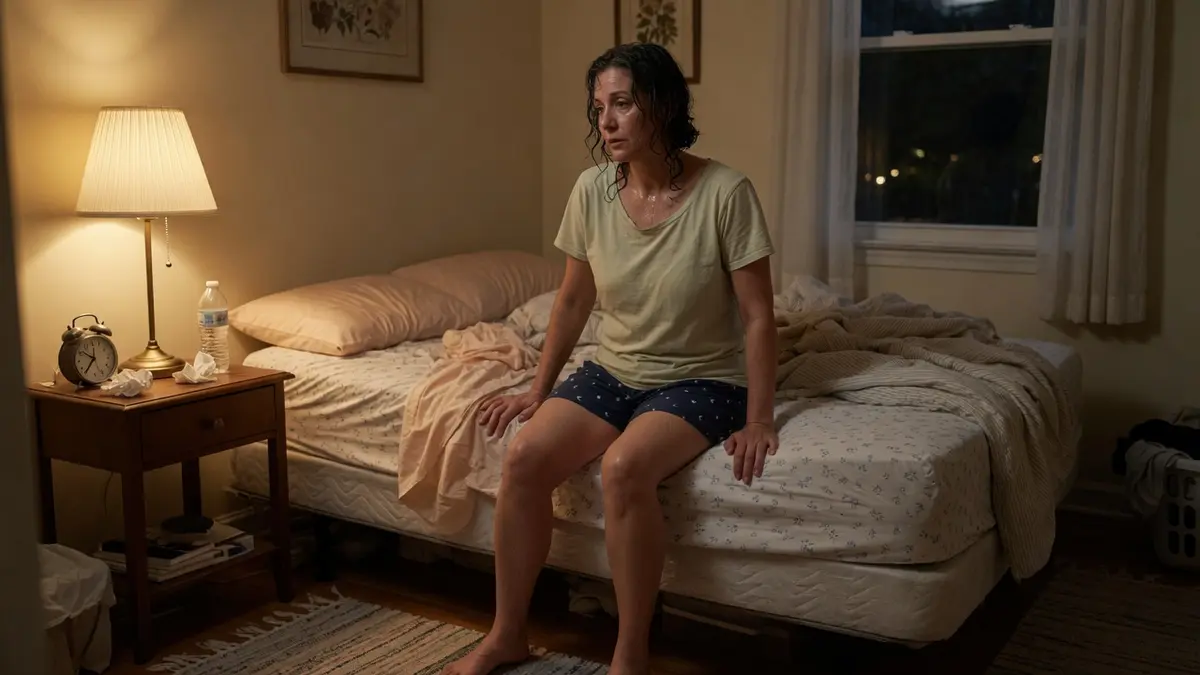
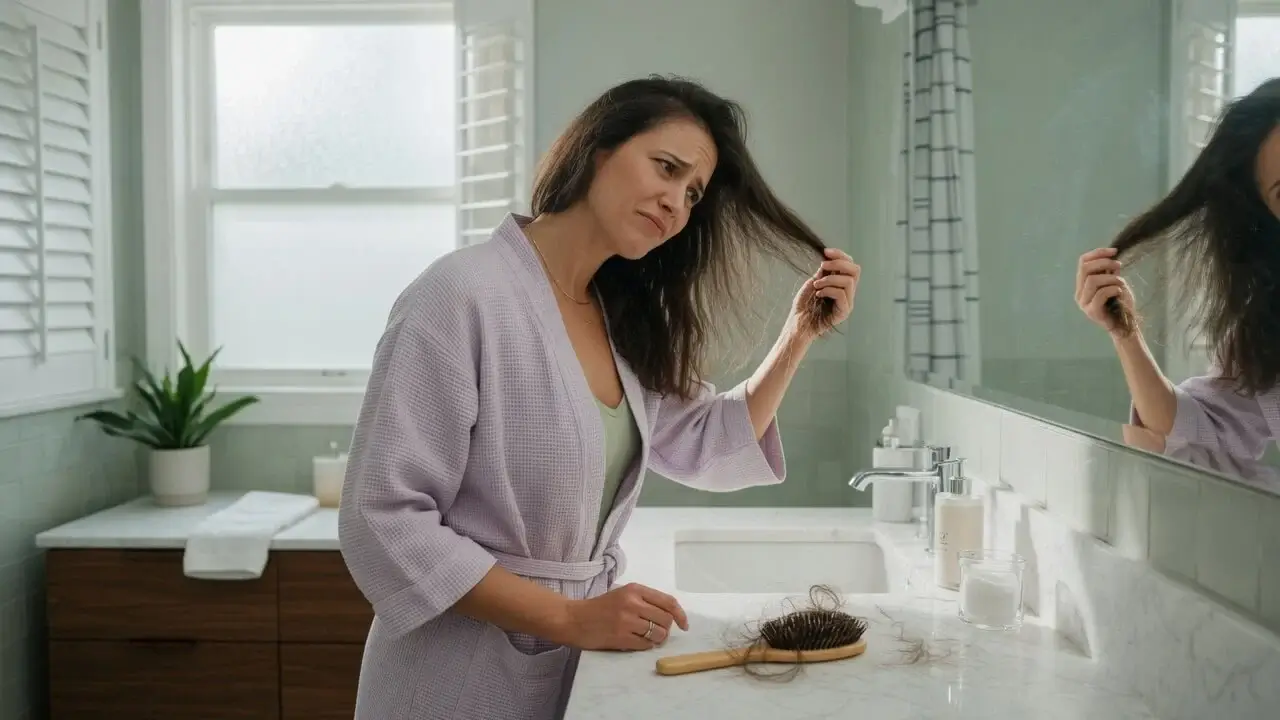
Hair that feels harder to manage while also shedding more than usual can be frustrating—and often confusing. Many people treat these as separate concerns. One seems like a scalp issue, the other a styling problem. But in reality, hair loss and frizz often share the same underlying causes.
That connection matters. When both show up at the same time, it’s often a signal that something deeper—internal or external—is affecting how hair grows and how it behaves.
Understanding that overlap can help move from temporary fixes to more meaningful, lasting improvement.
Why Hair Loss and Frizz Often Happen Together
What’s Happening at the Root vs. the Hair Fiber
Hair loss and frizz affect different parts of the hair system.
Hair loss typically begins at the follicle, where growth cycles can shift and more strands enter the shedding phase. This may lead to noticeable thinning over time.
Frizz, on the other hand, involves the hair shaft. It usually reflects disruption in the outer layer of the hair, known as the cuticle. When this layer becomes uneven or damaged, hair loses its smooth alignment and becomes more reactive to humidity.
Why the Same Triggers Affect Both
Although these processes are different, they often share the same triggers.
Nutrient deficiencies, hormonal changes, stress, and environmental damage can all affect both the scalp and the structure of the hair fiber. As a result, hair loss and frizz frequently appear together rather than independently.
More Helpful Reads You Might Like:
7 Common Causes of Hair Loss and Frizz
1. Nutrient Deficiencies
Low levels of iron, vitamin D, zinc, or protein can affect how hair grows and how strong it becomes. Dermatology research has consistently linked low iron stores—especially ferritin—to increased hair shedding.
At the same time, insufficient nutrients may weaken the hair shaft, making it more prone to dryness, breakage, and frizz.
2. Chronic Stress
Stress can shift hair follicles into a resting phase, a condition known as telogen effluvium. This often leads to increased shedding a few months after a stressful event.
Stress may also influence scalp balance and oil production, which can contribute to dryness and changes in hair texture.
3. Hormonal Changes
Hormonal fluctuations—such as those related to thyroid conditions, postpartum recovery, or menopause—can affect both hair density and texture.
Some people notice that hair not only becomes thinner, but also more brittle, dry, or frizzy.
4. Heat and Chemical Damage
Frequent heat styling, bleaching, or chemical treatments can weaken the hair’s protective layer.
This often leads to breakage, which may be mistaken for hair loss, along with increased frizz due to damage to the cuticle.
5. Overwashing or Harsh Products
Shampoos that strip natural oils can leave hair more vulnerable to dryness.
Without adequate natural lipids, hair becomes less flexible and more prone to frizz and breakage over time.
6. Environmental Exposure
Humidity, UV exposure, and pollution can affect hair integrity.
Moisture in the air can cause hair fibers to swell unevenly, leading to frizz—especially when the cuticle is already compromised.
7. Scalp Conditions
Conditions such as dandruff or seborrheic dermatitis can disrupt the scalp environment.
Inflammation may interfere with normal hair growth while also affecting the overall appearance and texture of hair.
When It May Be More Than Hair Damage
Signs the Issue Goes Beyond the Surface
Some patterns suggest that hair loss and frizz may be linked to a deeper underlying issue:
- Sudden or excessive shedding
- Noticeable thinning at the crown or part line
- Changes in energy levels or overall health
- Hair becoming finer over time
These changes may point to hormonal or nutritional imbalances.
When to Seek Medical Care
Medical evaluation may be helpful if:
- Hair loss persists for several months
- There are patches of hair loss
- The scalp shows signs of irritation or discomfort
- Other symptoms are present, such as fatigue or weight changes
Evaluation may include checking iron levels, thyroid function, or other relevant markers.
How to Improve Hair Loss and Frizz at the Same Time
Daily Habits That Support Stronger Hair
A combined approach tends to work best:
- Use gentle cleansing products when possible
- Condition regularly to support smoother hair texture
- Limit excessive heat styling
- Avoid tight hairstyles that pull on the scalp
- Maintain a balanced diet with adequate protein and micronutrients
- Pay attention to hydration and overall health
Consistent habits often lead to gradual but meaningful improvement.
When Treatment Should Be Personalized
Some cases benefit from targeted care.
Dermatology guidelines often support treatments like topical minoxidil for certain types of hair loss. Nutritional deficiencies may require supplementation when confirmed.
Because hair loss and frizz can have multiple overlapping causes, personalized evaluation often leads to more effective results.
The Bottom Line
Hair changes can be subtle at first—but when shedding and frizz appear together, they often reflect more than just surface-level damage.
Hair loss and frizz frequently share underlying causes, including stress, nutrition, hormones, and daily hair practices.
Addressing those root factors—not just the visible symptoms—can make a meaningful difference over time.
If the changes persist or worsen, a medical evaluation can help clarify the cause and guide the next steps.
Medical Disclaimer
This content is for educational purposes only and does not replace professional medical advice, diagnosis, or treatment. Always consult your physician or a qualified healthcare provider with any questions about a medical condition.
Sources & Further Reading
Association between serum ferritin and hair loss
https://pmc.ncbi.nlm.nih.gov/articles/PMC9805541/
Telogen effluvium: A review
https://pubmed.ncbi.nlm.nih.gov/26500992/
American Academy of Dermatology — Hair loss causes
https://www.aad.org/public/diseases/hair-loss/causes
Mayo Clinic — Hair loss overview
https://www.mayoclinic.org/diseases-conditions/hair-loss/symptoms-causes/syc-20372926
NIH — Iron and health
https://ods.od.nih.gov/factsheets/Iron-HealthProfessional/
Cleveland Clinic — Frizzy hair causes
https://my.clevelandclinic.org/health/diseases/24688-uncombable-hair-syndrome