
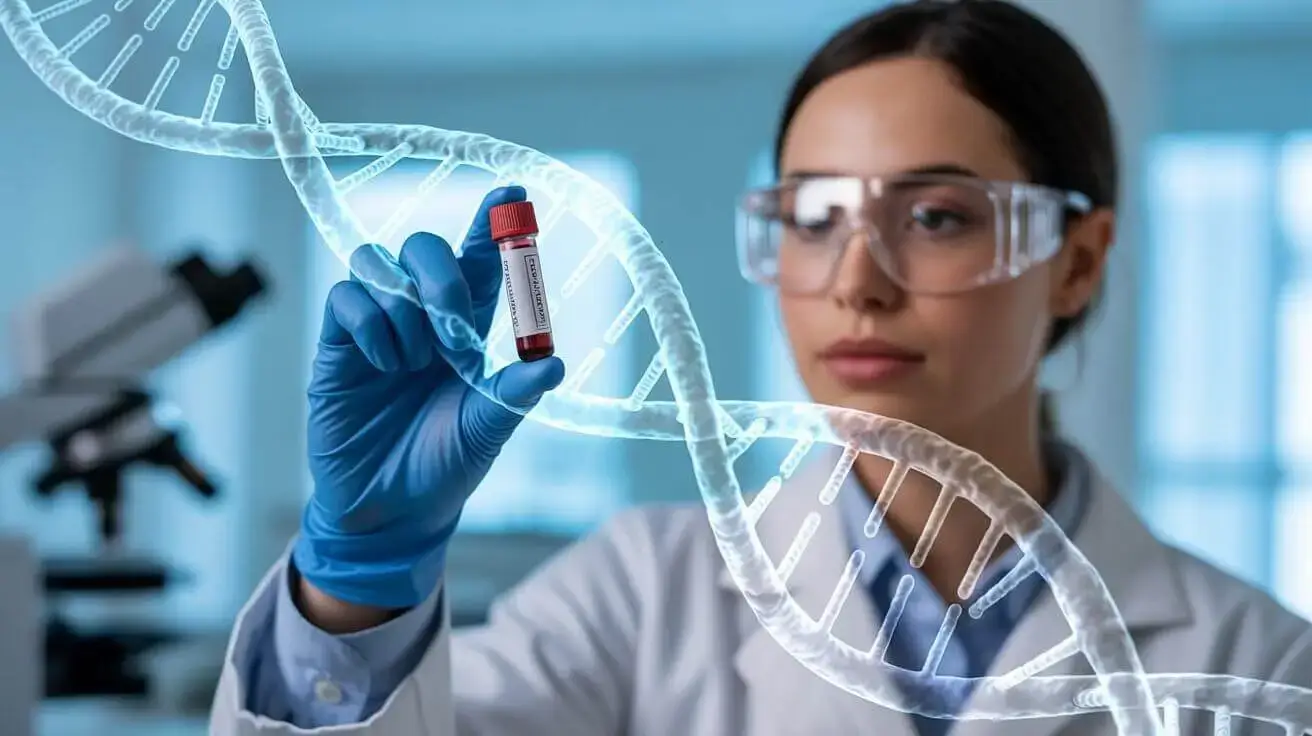
A simple blood draw may soon help detect cancer long before symptoms begin.
That possibility is driving intense research across the United States and worldwide. A newly reported early cancer detection blood test uses advanced molecular technology to identify tiny traces of cancer-related material circulating in the bloodstream—at levels previously too low to measure.
For many families, cancer is not just a diagnosis. It is a life-changing event. And one truth remains consistent across nearly all types: the earlier cancer is found, the better the chances of successful treatment.
So what makes this new approach different? And how close is it to becoming part of routine care?
Why Early Cancer Detection Changes Everything
Cancer does not appear overnight. It develops silently, often over years.
What happens inside the body before symptoms appear
Long before a tumor can be seen on a scan, cancer cells may begin shedding small fragments of genetic material or proteins into the bloodstream. These fragments are known as cancer biomarkers in blood.
In many cases, symptoms do not develop until the disease has progressed. That delay is one reason why early detection remains a major focus of organizations such as the American Cancer Society and the National Cancer Institute.
When cancer is diagnosed at an early stage:
- Treatment options are often less aggressive
- Survival rates are generally higher
- Complications may be fewer
Why current screening methods have limits
Current screening tools—such as mammograms, colonoscopies, Pap tests, and low-dose CT scans—have saved countless lives. However, they are designed for specific cancers and specific risk groups.
They also may:
- Miss very early disease
- Require invasive procedures
- Detect abnormalities that turn out not to be cancer
That is why researchers have been exploring the idea of a cancer screening blood test capable of identifying multiple cancers at once, ideally before imaging detects a tumor.
More Helpful Reads You Might Like:
- Vitamin D and Breast Cancer: Are They Linked?
- Processed Meat and Cancer Risk: What You Really Need to Know
- Colon Cancer Screening Starts at 45 — Here’s What That Means for You
How This Early Cancer Detection Blood Test Works
The recently described early cancer detection blood test builds on the concept of a liquid biopsy for cancer but uses a new level of sensitivity.
What are cancer biomarkers in blood?
Cancer biomarkers are measurable substances associated with cancer. These may include:
- Fragments of tumor DNA (circulating tumor DNA)
- RNA molecules
- Proteins produced by cancer cells
The challenge has always been concentration. In very early stages, these markers may exist in extremely tiny amounts—like a few drops of ink in a swimming pool.
The role of CRISPR and nanotechnology
The new approach uses advanced molecular tools, including CRISPR-based detection systems and engineered nanostructures.
CRISPR is widely known for gene editing, but it can also be adapted to act as a molecular “search tool.” When it finds a specific genetic sequence linked to cancer, it triggers a detectable signal.
In this test design:
- DNA structures act as highly precise sensors
- Light-based signals amplify detection
- Extremely small quantities of biomarkers can be identified
This means the test may detect cancer-related signals at concentrations far below what conventional methods can measure.
How it differs from traditional liquid biopsy for cancer
Traditional liquid biopsy for cancer often requires amplification steps—chemical processes that multiply genetic material so it can be measured.
The newer technology described aims to reduce or eliminate some of those amplification steps. That could make testing:
- Faster
- Simpler
- Potentially more cost-effective in the future
However, it is important to recognize that most liquid biopsy tests currently used in clinical practice are primarily designed for monitoring known cancers—not broad early screening in healthy individuals.
What Makes This Cancer Screening Blood Test Different?
The most striking feature is its extreme sensitivity.
Sensitivity at extremely low levels
Detecting biomarkers at very low concentrations is critical for early-stage disease. If a tumor is small, it releases fewer detectable signals.
By enhancing molecular detection, this early cancer detection blood test may identify signals that would otherwise go unnoticed.
That level of sensitivity could be especially valuable for cancers that are typically diagnosed late, such as lung or pancreatic cancer.
Potential speed and cost advantages
If simplified detection methods reduce laboratory complexity, future versions of this technology could:
- Lower testing costs
- Improve access in community settings
- Expand screening capabilities
Still, these advantages remain theoretical until validated in large-scale human studies.
What This Could Mean for Patients
It is natural to feel hopeful about a blood test to detect cancer early. But balanced understanding is essential.
Earlier diagnosis and better outcomes
According to U.S. cancer statistics, early-stage cancers generally have significantly higher survival rates than late-stage cancers.
If an early cancer detection blood test reliably identifies disease before symptoms, it could:
- Increase the number of cancers caught at stage 1
- Reduce the need for aggressive treatments
- Improve long-term outcomes
That said, earlier detection does not automatically mean improved survival. Clinical trials must show that using the test actually changes outcomes—not just detection rates.
Monitoring treatment response
Beyond screening, highly sensitive blood tests may help monitor:
- Whether treatment is working
- If minimal residual disease remains after surgery
- Early signs of recurrence
This application aligns more closely with how liquid biopsy for cancer is currently used in some oncology settings.
Important limitations to understand
Not every promising technology becomes a routine screening tool.
Key questions remain:
- Does it produce false positives?
- Can it distinguish aggressive cancers from slow-growing ones?
- Does it improve survival when used in large populations?
- How often would testing be needed?
Overdiagnosis—detecting cancers that may never cause harm—is another concern that screening experts carefully evaluate.
For these reasons, U.S. medical societies typically require extensive multi-phase clinical trials before recommending any new cancer screening blood test for general use.
Is This Blood Test Available Now?
At this time, this specific early cancer detection blood test remains in the research phase.
Where research stands today
Initial laboratory findings demonstrate technical capability. Early testing in patient samples may show promising sensitivity.
However, laboratory success does not equal clinical readiness.
Before approval, researchers must conduct:
- Large prospective clinical trials
- Comparisons with existing screening methods
- Safety and accuracy assessments
- Regulatory review
What experts typically require before approval
Organizations such as the U.S. Preventive Services Task Force (USPSTF) evaluate:
- Evidence of reduced mortality
- Balance of benefits and harms
- Cost-effectiveness
- Impact on healthcare systems
Only after strong evidence is available would a broad cancer screening blood test be considered for routine use.
The Bottom Line on Early Cancer Detection Blood Tests
The idea of detecting cancer through a simple blood draw is powerful—and scientifically plausible.
This new early cancer detection blood test represents a meaningful step forward in molecular diagnostics. Its enhanced sensitivity and innovative design highlight how rapidly cancer detection technology is evolving.
At the same time, careful scientific validation is essential. Screening affects millions of people, and decisions must be grounded in rigorous evidence.
For now, the most effective strategy remains clear:
- Follow established cancer screening guidelines
- Discuss personal risk factors with a healthcare professional
- Stay informed as research progresses
Early detection saves lives—but only when supported by solid science.
Medical Disclaimer
This content is for educational purposes only and does not replace professional medical advice, diagnosis, or treatment. Always consult your physician or a qualified healthcare provider with any questions about a medical condition.
Sources & Further Reading
- Optica – DNA nanotechnology-enabled ultrasensitive CRISPR sensor for early cancer biomarker detection
- National Cancer Institute – Cancer Screening Overview
- American Cancer Society – Cancer Screening Guidelines
- CDC – What Is Cancer Screening?
- Harvard Health – Liquid Biopsy for Cancer
- Mayo Clinic – Cancer Screening