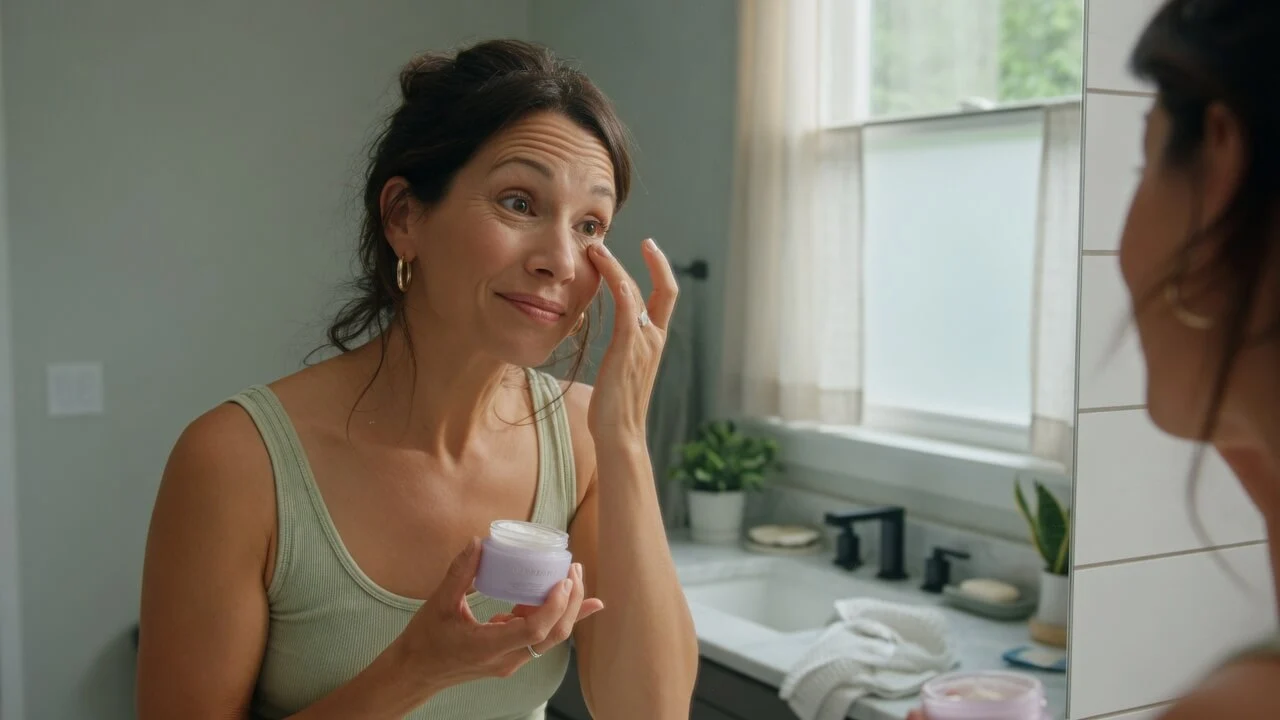
Wrinkles are a natural part of aging—but the fear of looking “overdone” has become just as common as the desire to reduce them. Many people are not trying to look younger at all costs. They want to look like themselves—just more rested, smoother, and healthier.
That’s where the idea of how to treat wrinkles without looking fake becomes important. Modern dermatology has moved away from aggressive transformations and toward subtle, balanced results that preserve natural expression.
Understanding how to approach wrinkle treatment the right way can make all the difference between looking refreshed and looking artificial.
Why Some Wrinkle Treatments Look Unnatural
The Problem with Overcorrection
One of the most common reasons treatments look unnatural is simple: too much, too fast.
Excess filler can create a puffy or swollen appearance. Too much Botox can limit facial movement. When the goal becomes eliminating every line, the result often loses the natural variation that makes a face look human.
Why Facial Balance Matters More Than Erasing Lines
Wrinkles are only one part of aging. Skin loses collagen, fat shifts, and bone structure subtly changes over time. Treating just the lines—without considering the whole face—can create imbalance.
This is why experts increasingly focus on restoring proportion rather than chasing perfection.
More Helpful Reads You Might Like:
What Natural-Looking Anti-Aging Really Means Today
In current U.S. dermatology practice, the goal is not to freeze or fill the face. It is to support the skin and underlying structure so that changes appear gradual and believable.
Natural-looking results usually mean:
- Expressions are preserved
- Skin looks healthier, not artificially tight
- Volume is restored subtly
- Changes are hard for others to detect
In many cases, the best outcome is when someone looks “well-rested” rather than “treated.”
7 Proven Ways to Treat Wrinkles Without Looking Fake
1. Use Botox Strategically, Not Excessively
Botulinum toxin (Botox) remains one of the most effective tools for dynamic wrinkles, especially on the forehead and around the eyes.
The key is moderation.
Lower doses—sometimes called “microdosing” or “baby Botox”—can soften lines while still allowing natural movement. According to the American Academy of Dermatology, this approach helps reduce wrinkles without completely freezing facial expressions.
2. Choose Conservative Dermal Fillers
Dermal fillers can restore lost volume, but overuse is one of the main reasons results look artificial.
A conservative approach focuses on:
- Small amounts over time
- Strategic placement (not just filling lines)
- Supporting facial structure rather than enlarging features
When done carefully, fillers can subtly improve contours without drawing attention.
3. Stimulate Collagen Instead of Overfilling
Collagen naturally declines with age, contributing to wrinkles and skin laxity.
Treatments like poly-L-lactic acid (Sculptra) and calcium hydroxylapatite (Radiesse) work differently from fillers—they stimulate the body to produce its own collagen gradually.
This slow process often leads to more natural-looking improvement because the skin changes over time rather than all at once.
4. Improve Skin Quality with Laser and Devices
Even when wrinkles are treated, poor skin texture can still make the face look aged.
Laser resurfacing, radiofrequency, and ultrasound-based treatments can improve:
- Skin texture
- Fine lines
- Elasticity
The American Society for Dermatologic Surgery notes that these technologies can enhance overall skin quality, which plays a major role in achieving natural results.
5. Prioritize Medical-Grade Skincare
Professional treatments are only part of the equation.
Daily skincare—especially retinoids, sunscreen, and antioxidants—can significantly influence how skin ages.
Consistent sun protection alone is one of the most effective ways to prevent worsening wrinkles, according to the CDC and dermatology guidelines.
Without a solid skincare routine, even the best procedures may look less natural over time.
6. Treat the Whole Face, Not Just Wrinkles
Focusing only on a single wrinkle can create imbalance.
A more natural approach considers:
- Skin tone and texture
- Volume distribution
- Facial symmetry
Sometimes, improving surrounding areas makes wrinkles less noticeable without directly treating them aggressively.
7. Work with an Experienced, Conservative Injector
Technique matters as much as the treatment itself.
An experienced professional will:
- Evaluate the entire face
- Use conservative amounts
- Plan gradual improvements
- Adjust based on individual anatomy
This reduces the risk of overcorrection and helps maintain natural results over time.
When Subtle Changes Make the Biggest Difference
One of the most overlooked aspects of anti-aging is timing.
Gradual, early interventions often look more natural than dramatic corrections later. Small adjustments allow the face to evolve slowly, which tends to appear more authentic.
It’s also important to recognize that not every line needs to be treated. In many cases, leaving some natural expression lines actually enhances realism.
The Bottom Line on Treating Wrinkles Naturally
Learning how to treat wrinkles without looking fake is less about choosing a single procedure and more about adopting a balanced strategy.
Subtle treatments, combined with good skincare and realistic expectations, can improve appearance while preserving identity.
For many people, the goal is not to look younger—it’s to look like themselves on a well-rested, healthy day.
Medical Disclaimer
This content is for educational purposes only and does not replace professional medical advice, diagnosis, or treatment. Always consult your physician or a qualified healthcare provider with any questions about a medical condition.
Sources & Further Reading
Botulinum Toxin for Cosmetic Use – American Academy of Dermatology
https://www.aad.org/public/cosmetic/wrinkles/botulinum-toxin-overview
Soft Tissue Fillers – American Society for Dermatologic Surgery
https://www.asds.net/skin-experts/skin-treatments/dermal-fillers
Topical Retinoids in Aging Skin – PubMed
https://pubmed.ncbi.nlm.nih.gov/24821234/
Collagen Stimulation with Poly-L-lactic Acid – PubMed
https://pubmed.ncbi.nlm.nih.gov/32167231/