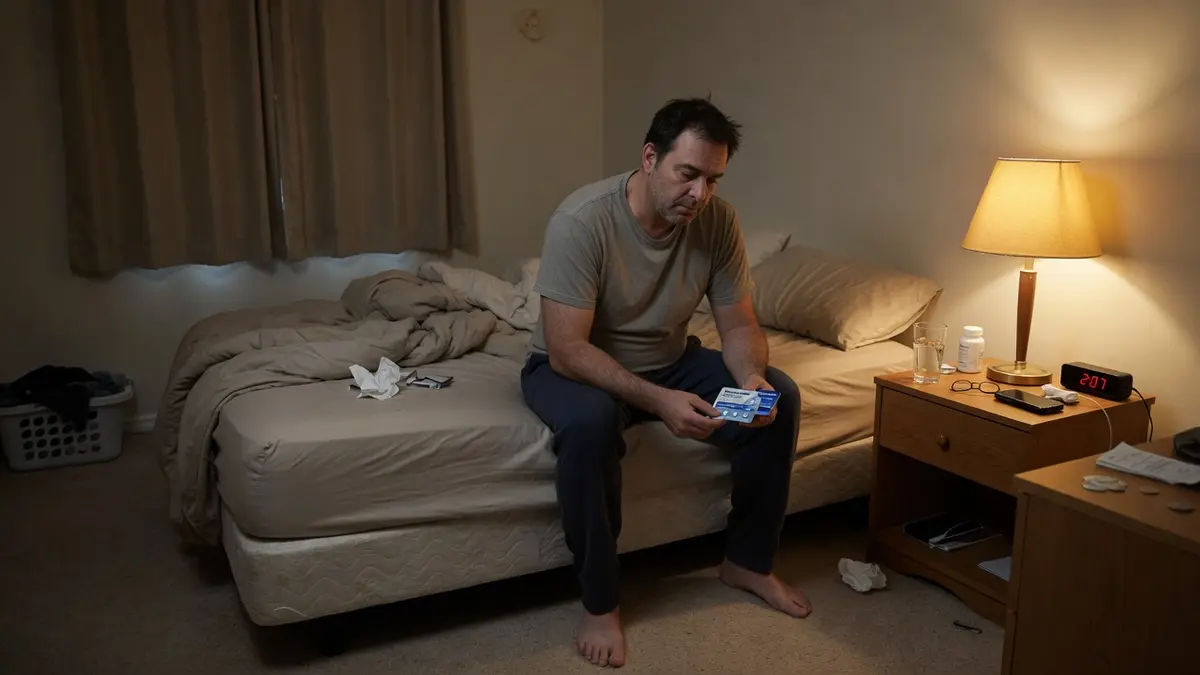
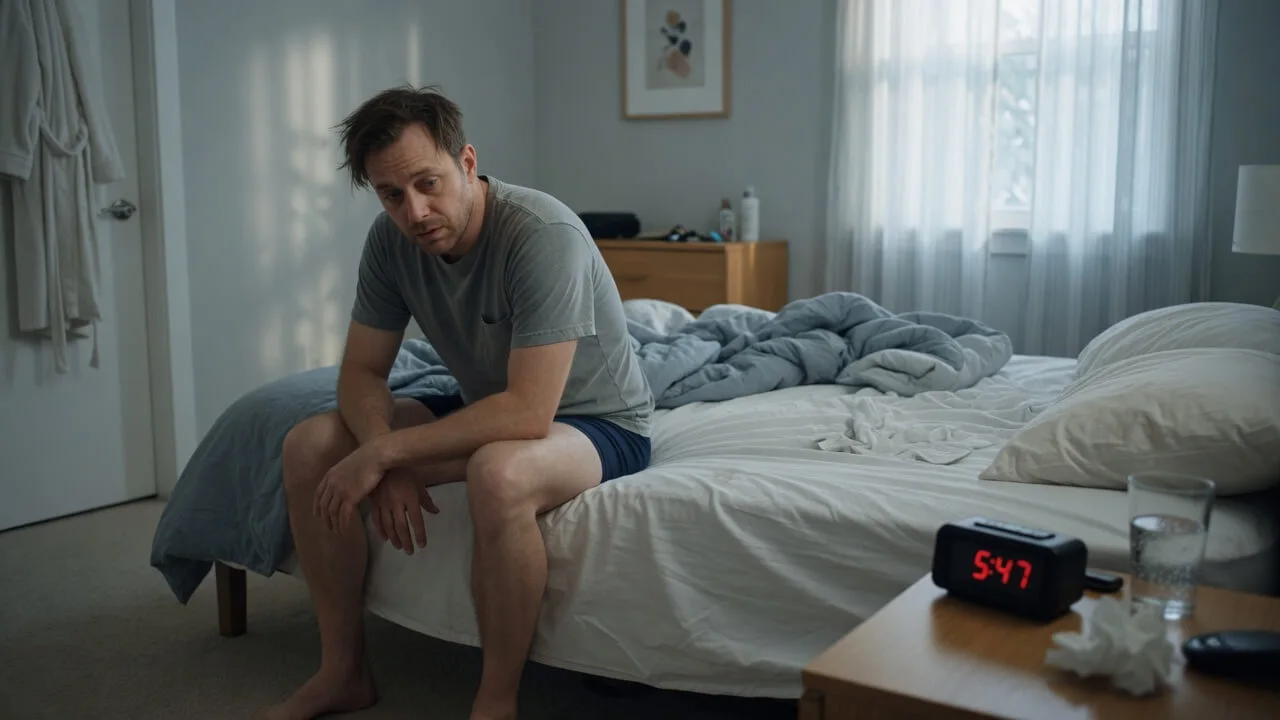
Waking up tired after a poor night of sleep is frustrating. But for many men, the effects go beyond low energy. There may be subtle changes in mood, focus, motivation—and even hormone levels.
Among these, testosterone often gets the most attention. And for good reason: how sleep affects testosterone is more significant than many people realize, especially when poor sleep becomes a pattern rather than a one-time issue.
The connection isn’t just theoretical. It’s grounded in how the body regulates hormones overnight, and how sleep disruption can quietly interfere with that process.
Why Testosterone Depends on Sleep More Than You Think
Testosterone is not produced at a steady rate throughout the day. Instead, it follows a natural rhythm tied closely to sleep.
The Nighttime Hormone Cycle Explained
In healthy men, testosterone levels begin to rise shortly after falling asleep. The highest levels typically occur during the first few hours of uninterrupted sleep, especially during deeper stages and REM sleep.
This means the body relies on consistent, quality sleep cycles to maintain normal hormone production. When sleep is shortened or repeatedly interrupted, this nighttime rise may be reduced or delayed.
Why Sleep Quality Matters as Much as Quantity
It’s tempting to focus only on total hours slept. But fragmented sleep—waking up frequently, tossing and turning, or experiencing shallow sleep—can disrupt hormone regulation just as much as sleeping too little.
In practice, this helps explain why someone can spend eight hours in bed and still feel off the next day. The issue may not be duration, but sleep architecture, meaning how those hours are structured.
What Research Says About Sleep Deprivation and Testosterone
The scientific evidence on how sleep affects testosterone has grown over the past decade. While not every study shows identical results, a consistent pattern has emerged.
Short-Term Sleep Loss vs. Chronic Sleep Restriction
Missing a single night of sleep does not appear to cause a dramatic drop in testosterone for most people. However, repeated sleep restriction tells a different story.
In a well-known clinical study, healthy young men who slept only five hours per night for one week experienced a 10–15% reduction in daytime testosterone levels. That degree of change is comparable to what might be seen with several years of aging.
What Happens After Just One Week of Poor Sleep
Beyond lab measurements, participants also reported increased fatigue, lower sense of well-being, and reduced vitality.
This highlights an important point: even when hormonal changes are modest, the real-world effects can feel significant—especially when combined with stress, work demands, or lifestyle factors.
More Helpful Reads You Might Like:
5 Signs Your Sleep May Be Affecting Testosterone
Because symptoms can overlap with many other conditions, it’s not always obvious when sleep is part of the problem. Still, some patterns may suggest a connection.
- Persistent fatigue despite enough time in bed
Feeling tired even after “sleeping enough” may point to poor sleep quality. - Reduced motivation or mental drive
Low energy and difficulty initiating tasks can reflect both sleep issues and hormonal shifts. - Lower libido
Testosterone plays a role in sexual desire, but sleep deprivation can also affect mood and stress levels, contributing to changes. - Difficulty concentrating or “brain fog”
Sleep loss directly affects cognitive function, which can overlap with symptoms often attributed to low testosterone. - Decreased physical performance or recovery
Poor sleep can interfere with muscle recovery and energy levels, even in otherwise healthy individuals.
These signs are not specific to testosterone alone. Instead, they reflect how sleep, hormones, and overall physiology are interconnected.
The Overlooked Role of Sleep Disorders Like Sleep Apnea
One of the most important—and often missed—contributors is obstructive sleep apnea.
Why Broken Sleep Disrupts Hormones
Sleep apnea causes repeated pauses in breathing during sleep, leading to frequent awakenings and reduced oxygen levels. Even if the person doesn’t fully wake up, the sleep cycle is disrupted.
This fragmentation can interfere with the normal nighttime rise in testosterone.
When Snoring and Fatigue Signal Something More
Common signs of sleep apnea include:
- Loud snoring
- Daytime sleepiness
- Morning headaches
- Waking up feeling unrefreshed
Some individuals with sleep apnea also have lower testosterone levels, although the relationship is complex and influenced by factors like body weight and metabolic health.
How to Improve Sleep to Support Healthy Testosterone
Improving sleep is one of the most practical ways to support hormone health. While it may not solve every case of low testosterone, it often addresses a key underlying factor.
Simple Sleep Habits That Actually Work
- Keep a consistent sleep schedule, even on weekends
- Limit screen exposure before bed, especially bright light
- Create a cool, dark, quiet sleep environment
- Avoid heavy meals or alcohol close to bedtime
- Get regular daylight exposure during the day
These strategies help regulate the body’s internal clock, which plays a role in hormone timing and release.
When Sleep Alone Isn’t Enough
If symptoms persist despite good sleep habits, it may be worth exploring other factors such as:
- Stress and mental health
- Medication effects
- Nutritional deficiencies
- Underlying medical conditions
In some cases, formal sleep evaluation or hormone testing may be appropriate—especially if symptoms are ongoing or worsening.
The Bottom Line
Understanding how sleep affects testosterone helps reframe a common concern. Low energy, reduced motivation, or changes in libido are not always purely hormonal issues—they may reflect sleep quality, consistency, and overall health.
Research suggests that repeated sleep restriction, fragmented sleep, and untreated sleep disorders can all influence testosterone levels to some degree. At the same time, the effects vary between individuals, and sleep is only one piece of a larger picture.
For many people, improving sleep is a low-risk, high-impact step. It supports not just hormone balance, but also mood, cognition, and long-term health.
Medical Disclaimer
This content is for educational purposes only and does not replace professional medical advice, diagnosis, or treatment. Always consult your physician or a qualified healthcare provider with any questions about a medical condition.
Sources & Further Reading
Effect of 1 Week of Sleep Restriction on Testosterone Levels in Young Healthy Men
https://pmc.ncbi.nlm.nih.gov/articles/PMC4445839/
The Relationship Between Sleep and Testosterone in Men
https://pmc.ncbi.nlm.nih.gov/articles/PMC3955336/
Testosterone Therapy in Men With Hypogonadism: Endocrine Society Guideline
https://pubmed.ncbi.nlm.nih.gov/29562364/
Sleep Deprivation and Deficiency – NHLBI
https://www.nhlbi.nih.gov/health/sleep-deprivation
Obstructive Sleep Apnea and Testosterone Levels
https://pubmed.ncbi.nlm.nih.gov/35904664/