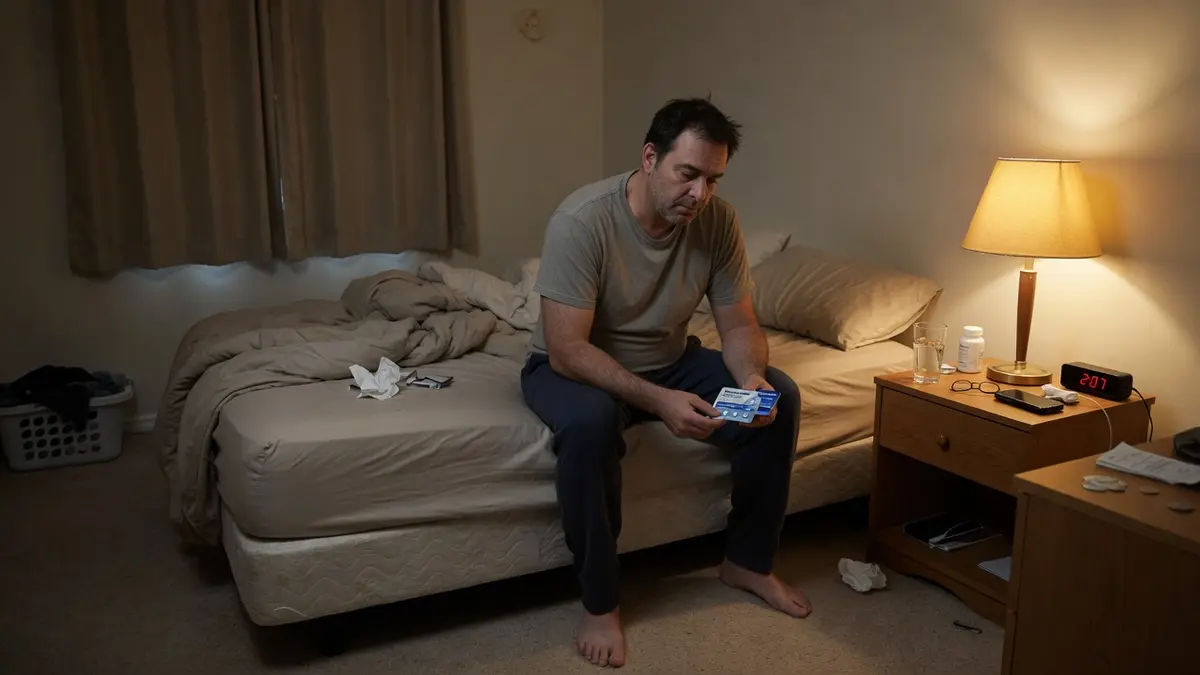

It often starts subtly. A partner mentions louder snoring. Or a sleep tracker shows more disturbances than usual. That simple question—why am I snoring more than usual—can feel surprisingly unsettling.
Snoring is common, but a noticeable change usually means something in the body has shifted. In many cases, the cause is harmless and reversible. In others, it may be an early signal worth paying attention to.
Understanding what changed is the first step toward better sleep—and better overall health.
What Happens in the Body When You Snore
Snoring occurs when airflow becomes partially blocked during sleep. As air moves through a narrowed airway, soft tissues in the throat vibrate, producing the familiar sound.
This narrowing can happen for several reasons:
- relaxed throat muscles
- tongue falling backward
- nasal blockage
- extra tissue around the airway
According to the American Academy of Sleep Medicine, snoring exists on a spectrum—from occasional and mild to more persistent patterns linked to sleep disorders.
Why Am I Snoring More Than Usual? 7 Common Causes
A sudden increase in snoring often points to a recent change—sometimes subtle, sometimes obvious.
Weight Changes and Airway Narrowing
Even modest weight gain can affect breathing during sleep. Extra tissue around the neck may reduce airway space, making vibration more likely.
Some individuals notice increased snoring after gaining as little as 5 to 10 pounds.
Sleeping Position and Gravity Effects
Sleeping on the back allows gravity to pull the tongue and soft tissues backward.
This position can significantly narrow the airway, especially in people already prone to snoring.
Nasal Congestion and Allergies
Blocked nasal passages force the body to breathe through the mouth. This increases airflow turbulence and makes snoring more likely.
Common triggers include:
- seasonal allergies
- colds
- sinus infections
The CDC notes that upper airway congestion can affect sleep quality and breathing patterns.
Alcohol and Muscle Relaxation
Alcohol relaxes throat muscles more than usual, especially when consumed close to bedtime.
This relaxation can increase airway collapse and make snoring louder or more frequent.
Sleep Deprivation and Deeper Sleep Cycles
When sleep is restricted, the body compensates by entering deeper sleep stages.
In these stages, muscle tone decreases further—making airway obstruction more likely.
Aging and Natural Muscle Changes
Over time, throat muscles naturally lose tone.
This gradual change may explain why some people begin snoring later in life—or notice it getting worse.
Medications That Affect Breathing
Certain medications can increase snoring by relaxing airway muscles, including:
- sedatives
- some anti-anxiety medications
- opioid-based pain medications
These effects vary by individual, but the pattern is well recognized in sleep medicine.
More Helpful Reads You Might Like:
When Snoring May Signal Something More Serious
Sometimes, asking why am I snoring more than usual leads to an important diagnosis.
Signs of Obstructive Sleep Apnea
Obstructive sleep apnea (OSA) occurs when the airway repeatedly collapses during sleep.
Key symptoms include:
- loud, persistent snoring
- pauses in breathing
- gasping or choking during sleep
- excessive daytime sleepiness
According to the National Institutes of Health, OSA is a common but underdiagnosed condition with important health implications.
Red Flags That Should Not Be Ignored
Medical evaluation becomes especially important if snoring is accompanied by:
- morning headaches
- difficulty concentrating
- high blood pressure
- waking unrefreshed
These symptoms may suggest disrupted oxygen levels during sleep.
How to Reduce Snoring Naturally
For many people, small adjustments can significantly improve snoring.
Simple Changes That Can Make a Difference
- Sleep on your side instead of your back
- Avoid alcohol before bedtime
- Treat nasal congestion early
- Maintain a healthy weight
- Keep a consistent sleep schedule
The Mayo Clinic emphasizes that lifestyle changes are often the first-line approach for mild snoring.
When Professional Evaluation Is Needed
If snoring persists despite lifestyle changes, a sleep study may be recommended.
Sleep specialists can evaluate breathing patterns overnight and identify conditions like sleep apnea.
Treatment options may include:
- CPAP therapy
- oral appliances
- targeted lifestyle interventions
The Bottom Line
If the question why am I snoring more than usual has come up recently, it’s worth paying attention.
In many cases, the cause is something manageable—like sleep position, congestion, or lifestyle habits. But sometimes, it can point to a deeper issue affecting sleep quality and overall health.
The key is not to ignore the change.
Better sleep often starts with understanding what the body is trying to say.
Medical Disclaimer
This content is for educational purposes only and does not replace professional medical advice, diagnosis, or treatment. Always consult your physician or a qualified healthcare provider with any questions about a medical condition.
Sources & Further Reading
American Academy of Sleep Medicine — Snoring and Sleep Apnea
https://sleepeducation.org/sleep-disorders/snoring/
Mayo Clinic — Snoring: Causes and treatments
https://www.mayoclinic.org/diseases-conditions/snoring/symptoms-causes/syc-20377694
National Heart, Lung, and Blood Institute — Sleep Apnea
https://www.nhlbi.nih.gov/health/sleep-apnea
PubMed — Snoring and obstructive sleep apnea: a population study
https://pubmed.ncbi.nlm.nih.gov/20736112/
PubMed — Pathophysiology of snoring and obstructive sleep apnea
https://pubmed.ncbi.nlm.nih.gov/1943325/