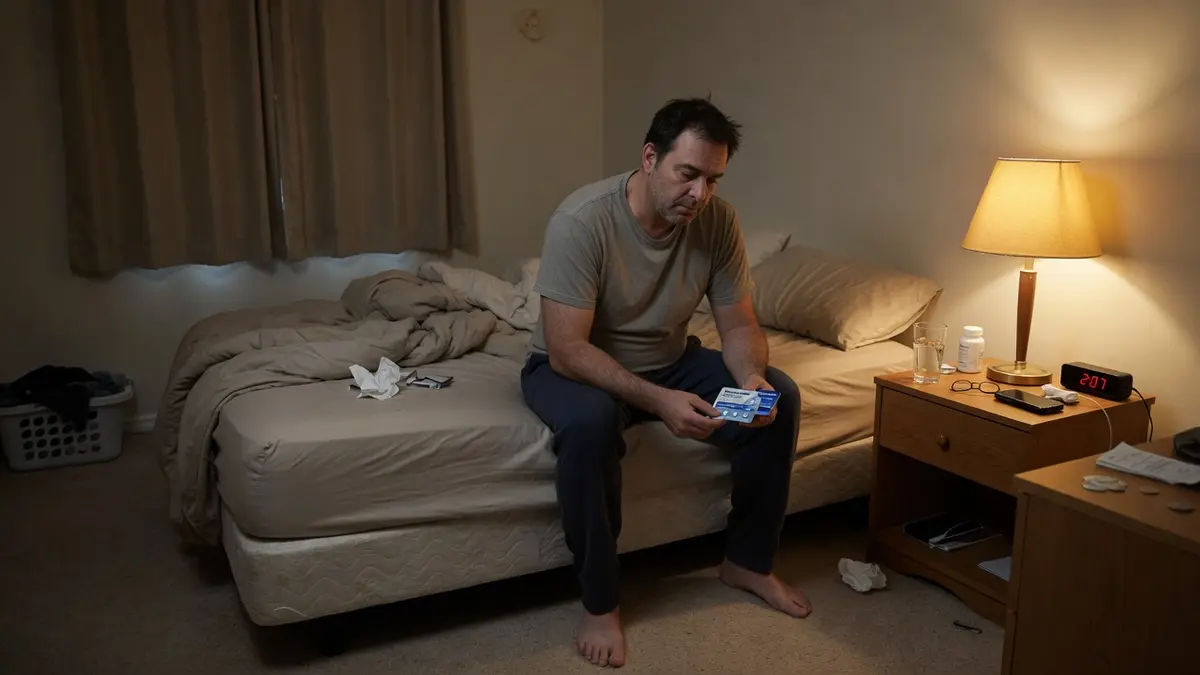

Waking up after what seems like a full night’s sleep should feel refreshing. But for many people, that’s not the reality. The alarm goes off, the body gets up—but the mind feels slow, heavy, and unfocused.
This is where things become confusing. If the number of hours looks right, why does the body still feel off?
The answer often lies in recognizing the signs you’re not getting enough sleep, even when it seems like you are. Sleep isn’t just about how long it lasts—it’s about how well it restores the brain and body.
Why “Enough Sleep” Isn’t Always Enough
Sleep Quantity vs. Sleep Quality
Health organizations like the CDC and the American Academy of Sleep Medicine recommend that adults aim for 7 to 9 hours of sleep per night. But those numbers only tell part of the story.
Sleep happens in cycles, including deep sleep and REM (rapid eye movement) sleep. These stages are essential for:
- Memory consolidation
- Emotional regulation
- Physical recovery
If sleep is frequently interrupted or shallow, the body may miss out on these critical stages—even if total sleep time looks adequate.
That’s why some people wake up tired despite spending enough hours in bed. The issue isn’t always duration—it’s quality.
The Hidden Problem of Sleep Debt
Another key concept is sleep debt. This happens when the body consistently gets slightly less rest than it needs.
Even losing one or two hours per night can accumulate over time. Research shows that people often adapt to feeling tired, but their cognitive performance continues to decline.
In other words, the brain doesn’t fully adjust—it simply becomes less aware of the deficit.
More Helpful Reads You Might Like:
9 Signs You’re Not Getting Enough Sleep
Recognizing the signs you’re not getting enough sleep can be surprisingly difficult, especially when symptoms are subtle.
Physical, Mental, and Emotional Clues to Watch
1. You wake up feeling unrefreshed
Even after 7–8 hours, the body feels heavy or sluggish. This often points to fragmented or low-quality sleep.
2. You rely heavily on caffeine to function
Needing multiple cups of coffee just to feel normal may signal underlying sleep deprivation symptoms.
3. Your focus drifts more easily
Tasks that once felt simple may now require more effort. This is one of the most common signs of poor sleep quality.
4. You feel more irritable or emotionally reactive
Sleep plays a major role in emotional regulation. Poor sleep can make everyday stress feel harder to manage.
5. You forget small things more often
Misplacing items or struggling to recall recent information may reflect disrupted memory processing during sleep.
6. You feel sleepy during the day
Frequent yawning, low energy, or the urge to nap may indicate that nighttime sleep isn’t fully restorative.
7. You crave sugar or high-carb foods
Sleep deprivation can affect hunger hormones, increasing cravings for quick energy sources.
8. You depend on an alarm to wake up every day
If the body rarely wakes up naturally, it may still need more rest.
9. You experience “brain fog” or slow thinking
Mental clarity depends heavily on sleep. Poor sleep quality often shows up as sluggish thinking or reduced productivity.
What Causes Poor Sleep Without You Realizing It
Understanding the causes behind the signs you’re not getting enough sleep is essential for improving it.
Lifestyle Habits That Disrupt Sleep Quality
Some of the most common causes are easy to overlook:
- Screen use before bed: Blue light can delay melatonin release
- Irregular sleep schedules: Going to bed at different times disrupts the internal clock
- Stress and anxiety: Elevated cortisol can interfere with deep sleep
- Alcohol use: It may help with falling asleep but disrupts sleep cycles later in the night
These factors often reduce sleep quality without reducing total sleep time—making the problem harder to recognize.
When an Underlying Sleep Disorder May Be Involved
In some cases, the issue goes beyond lifestyle.
Conditions like sleep apnea are especially important to consider. This disorder can cause repeated breathing interruptions during sleep, often without full awareness.
Common clues include:
- Loud snoring
- Gasping or choking during sleep
- Morning headaches
- Persistent fatigue
If these symptoms are present, medical evaluation becomes important.
How to Improve Sleep Quality (Not Just Sleep Time)
Improving the signs you’re not getting enough sleep often starts with small, consistent changes.
Simple Habits That Support Deeper Sleep
- Keep a consistent sleep schedule—even on weekends
- Limit screen exposure 1–2 hours before bedtime
- Create a dark, quiet, and cool sleep environment
- Avoid heavy meals or alcohol close to bedtime
- Get natural light exposure early in the day
These habits help regulate the body’s internal clock and support deeper sleep stages.
When Sleep Needs a More Personalized Approach
Some individuals may need tailored strategies, especially if symptoms persist.
Sleep challenges can be influenced by:
- Work schedules (shift work)
- Medical conditions
- Medications
- Mental health factors
In these cases, a healthcare provider or sleep specialist can help identify underlying causes and guide treatment.
The Bottom Line
The signs you’re not getting enough sleep are not always obvious. Feeling tired isn’t the only signal. Subtle changes in focus, mood, memory, and energy can all point to sleep that isn’t truly restorative.
Even when sleep duration seems adequate, quality matters just as much—sometimes more.
Paying attention to these early signs can make a meaningful difference. In many cases, small adjustments can restore energy, improve clarity, and support overall health.
When symptoms persist or worsen, seeking professional guidance is the safest next step.
Medical Disclaimer
This content is for educational purposes only and does not replace professional medical advice, diagnosis, or treatment. Always consult your physician or a qualified healthcare provider with any questions about a medical condition.
Sources & Further Reading
- CDC — How Much Sleep Do I Need?
- NIH (NHLBI) — Sleep Deprivation and Deficiency
- NIH — Why Is Sleep Important?
- Mayo Clinic — Sleep Disorders: Symptoms and Causes
- Harvard Health — The Consequences of Insufficient Sleep
- PubMed — Cumulative neurobehavioral effects of sleep restriction
- PubMed — Impact of sleep deprivation on cognitive performance