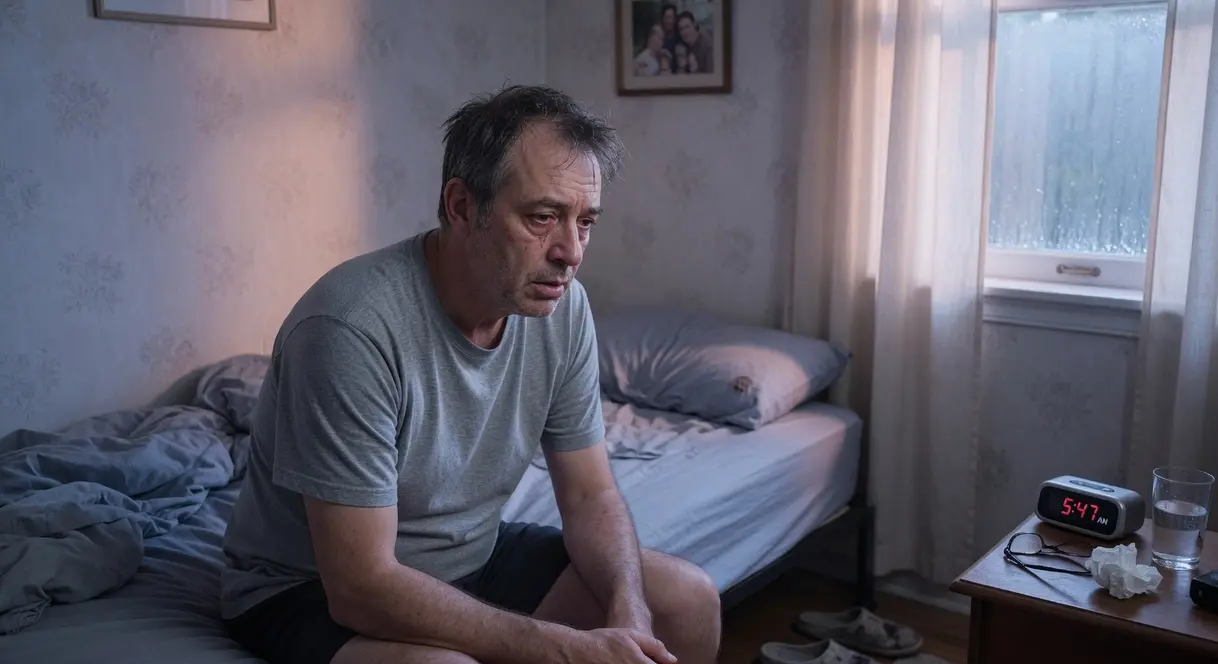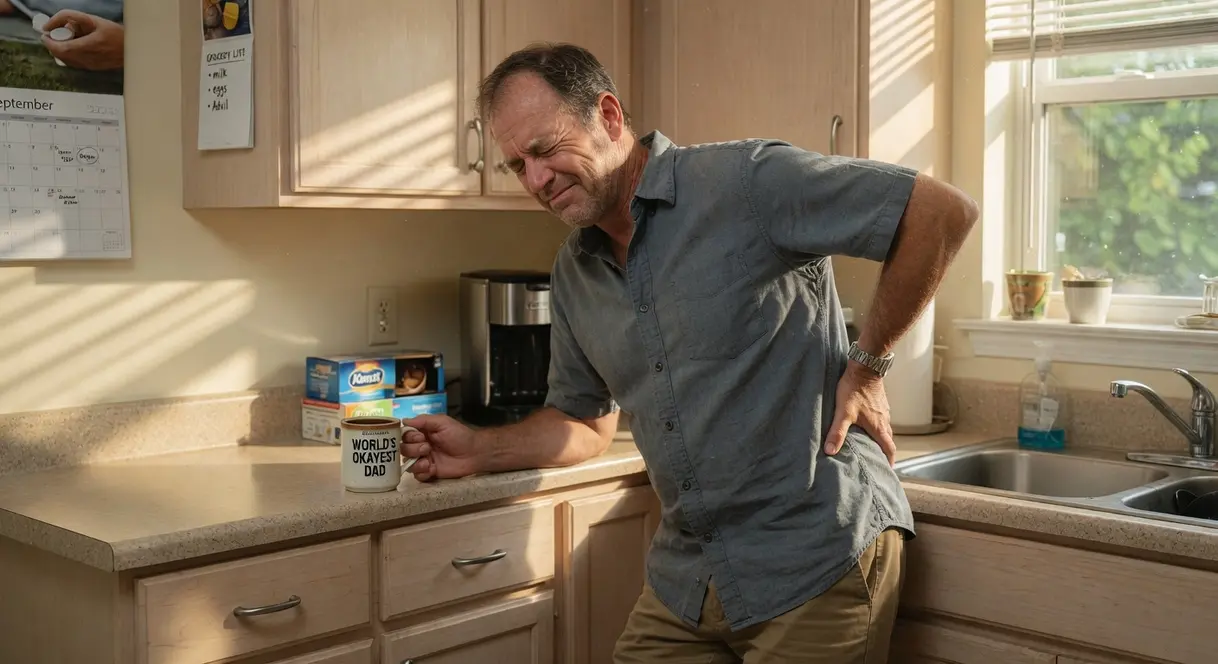
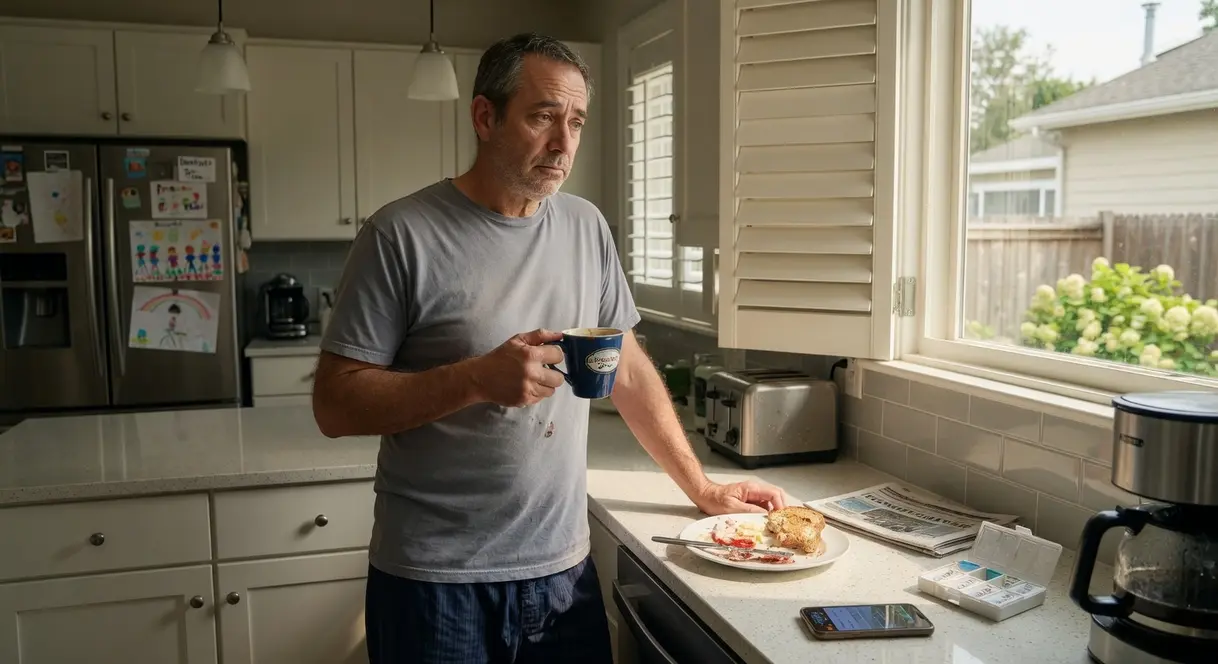
Somewhere around 43, a guy notices he’s dragging through the afternoon, his weekend runs feel harder than they should, and sex isn’t quite on his mind the way it used to be. He chalks it up to work stress, two kids, and not sleeping enough. Maybe that’s all it is. Or maybe his testosterone has quietly slipped lower than it should be. Sorting out the difference is the hard part — and it’s where a lot of men get stuck.
The low testosterone signs after 40 overlap heavily with the everyday consequences of getting older, gaining a few pounds, and sleeping worse. That’s exactly why this topic gets so muddled in locker rooms, podcasts, and supplement ads. The honest answer is that some changes in your 40s are hormonal, some are lifestyle, and many are both at once.
What actually happens to testosterone after 40
Testosterone — the primary male sex hormone produced mostly in the testicles — peaks in the late teens and early 20s. After about age 30, levels decline gradually, usually around 1% per year on average. By 40, most men are running lower than they were at 25, but still well within a normal range.
Clinical low testosterone, also called hypogonadism, isn’t just “lower than it used to be.” It’s a measurable drop below the normal reference range (often cited as under 300 ng/dL on a morning blood test) combined with symptoms that affect how you feel and function. Both pieces matter. A man with a level of 280 and zero symptoms is in a very different situation than one at 280 who can barely get through the day.
Male hormone changes after 40 also include shifts in sex hormone-binding globulin (SHBG), a protein that ties up testosterone in the bloodstream and keeps it from being used. As SHBG rises with age, free testosterone — the portion actually available to your tissues — can drop even when total testosterone looks okay on paper. That’s part of why symptoms sometimes don’t match the first lab result.
Symptoms that tend to point toward low T
Some symptoms are more specific to testosterone deficiency than others. The ones urologists and endocrinologists pay closest attention to involve sexual function, because the testosterone-to-libido connection is fairly direct.
- A clear, persistent drop in sex drive — not just a slower week, but months of feeling like the interest switch is off.
- Fewer spontaneous erections, including the morning ones most men have had since puberty.
- Erectile difficulties that aren’t explained by relationship issues, anxiety, or new medications.
- Loss of body and facial hair, or noticeably slower beard growth.
- Shrinkage or softening of the testicles.
- Breast tissue tenderness or growth (gynecomastia).
- Hot flashes or sweats, which are uncommon in men and tend to raise eyebrows clinically.
Then there’s a second tier of symptoms that show up in low T but also in a dozen other conditions: fatigue, low mood, irritability, brain fog, loss of muscle mass, more belly fat, and reduced exercise tolerance. These are real and worth taking seriously — they’re just not specific. Low libido fatigue in men in their 40s could be testosterone, depression, sleep apnea, thyroid disease, anemia, or simply burnout. That’s why bloodwork matters before anyone reaches for a prescription pad.
More Helpful Reads You Might Like:
- 7 Proven Ways to Increase Testosterone Naturally
- How Sleep Affects Testosterone: What the Research Shows
- 5 Science-Backed Ways Hormonal Changes Affect Mood and Energy
Testosterone vs. normal aging: where the line sits
Normal aging in the 40s looks something like this: a little less stamina than at 30, slightly slower recovery from hard workouts, a need for more sleep than you want to admit, gradual weight gain if eating habits don’t adjust, and a sex life that’s less urgent but still active. Erections may take a bit more direct stimulation. Muscle takes longer to build. None of this, on its own, means your hormones are broken.
Low testosterone tends to feel different in degree and pattern. The fatigue is heavier and doesn’t lift with a good night’s sleep. The libido change isn’t subtle — partners often notice. Strength training stops producing results even when the work is consistent. Mood dips into something flatter and more persistent than ordinary stress. Several symptoms cluster together rather than appearing one at a time.
Here’s the thing: lifestyle drives a surprising amount of what gets blamed on hormones. Poor sleep alone can drop testosterone by 10–15% within a week. Untreated sleep apnea, obesity, chronic alcohol use, opioid medications, and certain antidepressants all suppress testosterone production. Fixing those upstream issues sometimes brings levels back into a healthy range without any hormone therapy at all.
What’s not a reliable sign of low T
A few things get blamed on testosterone that usually have other explanations. Thinning scalp hair is mostly genetic (male pattern baldness is driven by DHT sensitivity, not low T — in fact, very low T tends to slow hair loss). A receding hairline at 45 doesn’t mean your levels are tanking. Mild forgetfulness, occasional bad moods, and a slower mile time are part of being human in midlife. Erectile issues that come and go with stress or alcohol are more often vascular or psychological than hormonal.
When to see a doctor for low testosterone
A reasonable threshold is this: if symptoms have been going on for several months, are affecting your work, relationships, or quality of life, and especially if they include sexual changes, it’s worth a conversation with a primary care doctor or urologist. There’s no medal for waiting.
Testing is straightforward but has some quirks. Testosterone follows a daily rhythm and is highest in the morning, so blood draws should generally happen between 7 and 10 a.m. A single low result isn’t enough — guidelines recommend confirming with a second morning test on a different day. A proper workup also usually includes free testosterone, LH and FSH (pituitary hormones that signal whether the problem is in the testicles or the brain), prolactin, and sometimes a thyroid panel and complete blood count.
Skip the direct-to-consumer testosterone clinics that prescribe based on a symptom questionnaire and a single finger-stick. They have a financial incentive to find you low. A thorough evaluation looks at the whole picture, including whether you’re trying to have children — testosterone replacement suppresses sperm production, sometimes permanently, and that’s a conversation worth having before anyone writes a prescription.
Safety considerations worth knowing
Testosterone therapy isn’t free of risk. It can raise red blood cell counts to levels that increase clot risk, worsen sleep apnea, shrink the testicles, affect fertility, and may stimulate growth of an existing prostate cancer (though current evidence does not suggest it causes prostate cancer). Cardiovascular risk has been debated for years; recent large trials have been more reassuring but not entirely settled. Anyone on therapy needs ongoing monitoring — bloodwork every few months at first, then at least yearly.
Practical steps before assuming it’s your hormones
Before pursuing testing, a few weeks of honest effort on the basics is worthwhile, because they genuinely move the needle:
- Sleep seven to eight hours on a regular schedule. If you snore heavily or wake unrefreshed, get screened for sleep apnea.
- Lose visceral fat if you’re carrying it. Belly fat converts testosterone into estrogen via an enzyme called aromatase, which lowers available T.
- Lift weights two to four times a week. Resistance training acutely raises testosterone and improves the symptoms most men attribute to low T.
- Cut back on alcohol, especially nightly drinking, which suppresses testicular function.
- Review your medications with your doctor. Opioids, certain antidepressants, and chronic steroid use are common culprits.
If symptoms persist after a real attempt at these changes, that’s a strong signal to get tested rather than guess.
How to interpret the low testosterone signs after 40 without overreacting
The most useful frame is this: pay attention to patterns, not single bad weeks. One rough month at work doesn’t mean your hormones are failing. But a six-month stretch where sex drive has vanished, workouts feel pointless, and mornings start with exhaustion deserves a workup — not a supplement, not a clinic that ships gel to your door after a phone call. Real evaluation, real labs, real follow-up. That’s how testosterone vs. normal aging actually gets sorted out.
Medical Disclaimer: This content is for educational purposes only and does not replace professional medical advice, diagnosis, or treatment. Always consult your physician or a qualified healthcare provider with any questions about a medical condition.
Sources & Further Reading
- Mayo Clinic: Testosterone therapy – Potential benefits and risks as you age
- Mayo Clinic: Male menopause – Myth or reality?
- PubMed: Identification of Late-Onset Hypogonadism in Middle-Aged and Elderly Men
- PubMed: Longitudinal Effects of Aging on Serum Total and Free Testosterone Levels in Healthy Men – Baltimore Longitudinal Study of Aging
- American Urological Association: Testosterone Deficiency Guideline
- NIH National Academies Press – Testosterone and Aging: Introduction