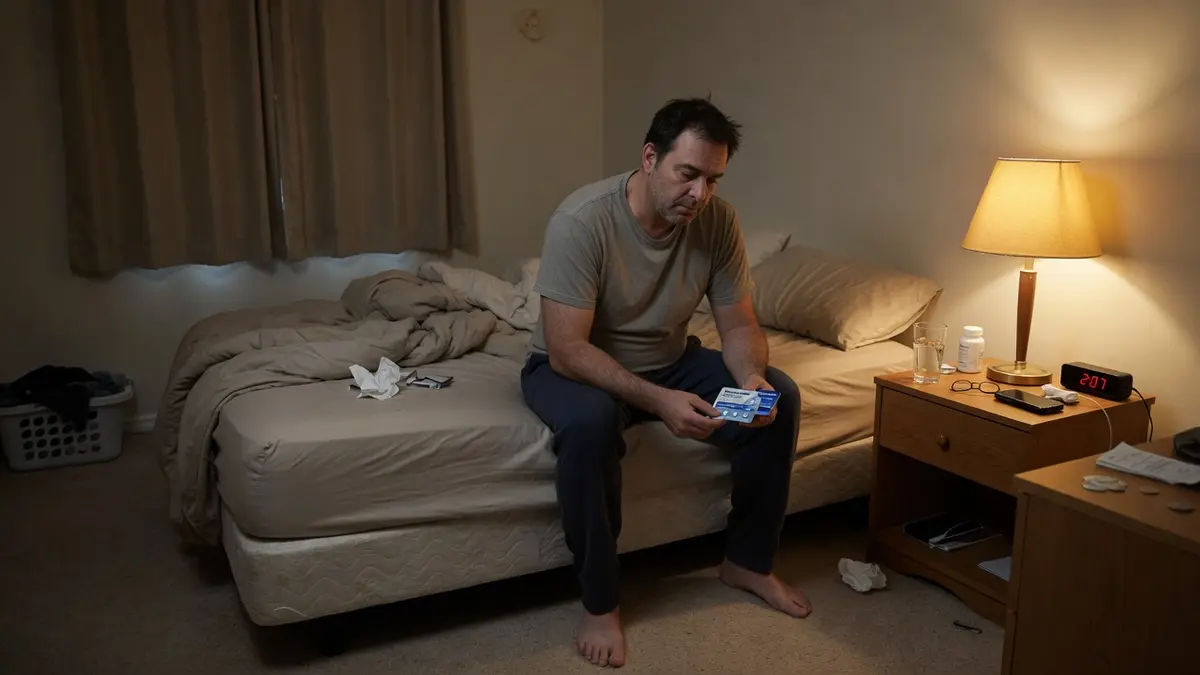
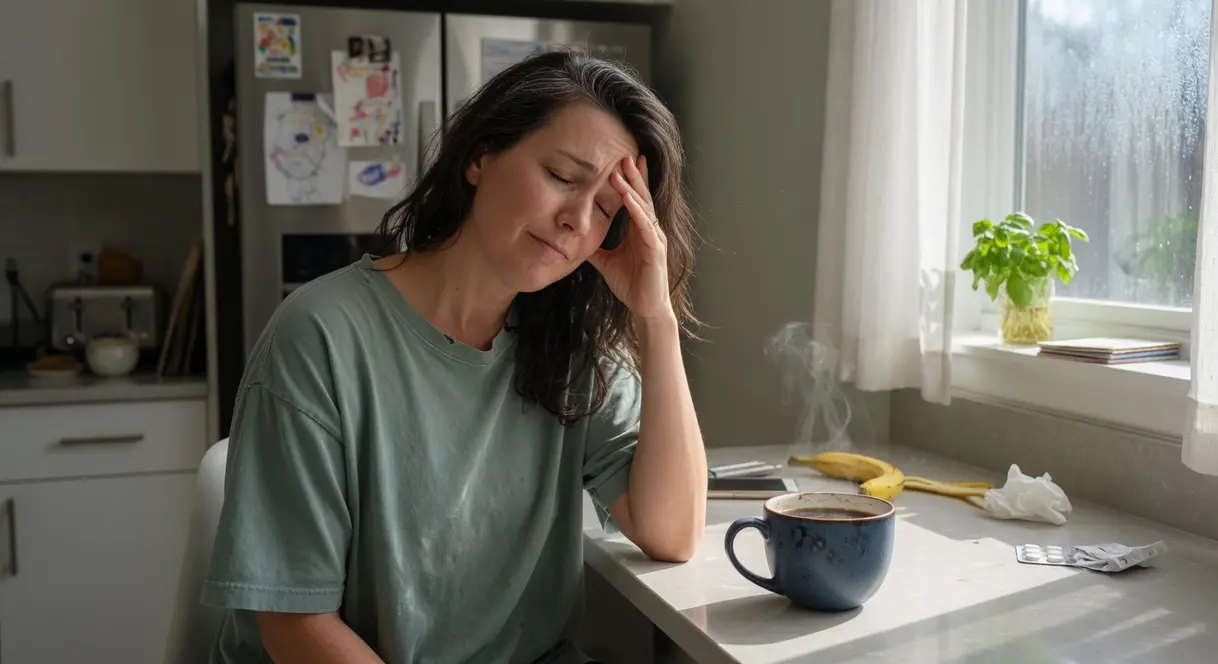
You can almost set a calendar by it. Two days before your period starts, the familiar throb settles behind one eye, light feels too bright, and the migraine medication that usually knocks things out in an hour barely takes the edge off. By day one of bleeding, you’re in bed with a cold cloth over your face, wondering why this one is always the worst of the month.
That pattern isn’t your imagination. Migraines during period days really are different — often longer, more intense, and harder to treat than attacks at other times of the month. The reason comes down to a hormone shift that happens in the days right before menstruation begins.
What’s actually happening in the brain
Migraine isn’t just a bad headache. It’s a neurological event involving changes in blood vessels, nerve signaling, and chemicals like serotonin and calcitonin gene-related peptide (CGRP). The brain of someone prone to migraine tends to be more sensitive to changes — in sleep, in food, in stress, and especially in hormones.
Estrogen is the key player here. Throughout the menstrual cycle, estrogen levels rise and fall in a predictable pattern. They peak around ovulation, dip slightly, rise again in the second half of the cycle, and then drop sharply in the few days before bleeding starts. That late-cycle drop is what seems to set off menstrual migraine.
Why does a falling hormone trigger a headache? Estrogen influences how the brain processes pain and how blood vessels behave. When levels fall quickly, the brain’s threshold for triggering a migraine attack drops with it. Research suggests this estrogen withdrawal is the main mechanism behind hormonal migraines, which is why birth control changes, perimenopause, and pregnancy all tend to shift migraine patterns.
Pure menstrual migraine vs. menstrually-related migraine
Headache specialists actually split period-linked migraines into two categories. Pure menstrual migraine happens only in the window from two days before bleeding starts through the third day of the period — and at no other time. It’s relatively uncommon. Menstrually-related migraine is more common: attacks happen during that same window most months, but also at other times in the cycle.
The distinction matters because treatment can differ. Pure menstrual migraine is more predictable, which makes preventive strategies timed to the cycle more practical. Menstrually-related migraine usually needs a broader approach.
More Helpful Reads You Might Like:
- 7 Anti-Inflammatory Foods That May Help Reduce Migraine Attacks
- Why Acid Reflux Gets Worse at Night—and What Actually Helps
- Endometriosis Diet: 7 Foods That May Reduce Pain and Inflammation
Why menstrual migraines feel worse than regular ones
Anyone who gets migraines at multiple times of the month will tell you the period ones hit differently. The science backs that up. Migraines tied to estrogen withdrawal tend to last longer — sometimes 72 hours or more — and respond less reliably to standard rescue medications. They’re also more likely to come back within 24 hours of a dose of medication wearing off.
A few things stack the deck against you during this window. Prostaglandins, the inflammatory chemicals released by the uterine lining, rise during menstruation and can amplify pain signaling. Sleep often takes a hit from cramps or general discomfort. Iron levels may dip slightly with bleeding. Add that to a brain already destabilized by the estrogen drop, and you have a recipe for a stubborn attack.
Who tends to get migraines during period days
Migraine is roughly three times more common in women than in men after puberty, and that gap opens up specifically because of the menstrual cycle. Many women notice their first migraine attacks around menarche, the time periods begin. The pattern often intensifies in the late twenties and thirties, when cycles tend to be most regular.
Some patterns make hormonal migraines more likely:
- A family history of migraine, especially on the mother’s side
- Migraine without aura (aura being the visual or sensory changes some people get before a headache)
- Heavier or more painful periods
- Use of certain combined hormonal contraceptives, which can either improve or worsen the pattern depending on the person
Migraine with aura deserves a separate note. People who get aura — flashing lights, blind spots, tingling — have a slightly higher stroke risk, and that risk increases with estrogen-containing birth control and smoking. Anyone with aura should talk to a clinician before starting or continuing combined hormonal contraception.
What helps a migraine before period starts
The good news: there’s a lot that can be done. The frustrating part is that it usually takes some trial and error to find what works for an individual cycle.
Acute treatment
For an attack already underway, the same medications used for any migraine apply — but timing and dose matter more during the menstrual window. Triptans (like sumatriptan, rizatriptan, or naratriptan) are prescription medications designed to interrupt a migraine attack and work best taken at the first sign of pain. Over-the-counter options like ibuprofen, naproxen, or combination products with caffeine can help milder attacks, especially when taken early.
One catch: because menstrual migraines tend to recur, a single dose often isn’t enough. Some clinicians recommend a longer-acting triptan or planned repeat dosing for these specific attacks. That’s a conversation worth having with a prescriber rather than self-managing.
Short-term prevention
For predictable cycles, mini-prevention can be a game changer. This means starting a medication two to three days before the expected migraine window and continuing for about five to seven days. Naproxen taken twice daily during that window has reasonable evidence behind it. Long-acting triptans like frovatriptan or naratriptan are sometimes prescribed the same way.
Hormonal strategies
Because the trigger is an estrogen drop, smoothing out that drop can help. Continuous or extended-cycle birth control pills (skipping the placebo week) prevent the withdrawal in the first place. An estrogen patch or gel used during the late luteal phase can do the same. These aren’t right for everyone — particularly people with migraine with aura, a clotting history, or certain cardiovascular risks — so they require a careful conversation with a clinician.
Daily preventives
For someone whose migraines extend well beyond the period, daily preventive medication may make more sense than cycle-timed treatment. Options include certain blood pressure medications, antidepressants used at migraine doses, anti-seizure medications, and the newer CGRP-blocking drugs. Onabotulinumtoxin A (Botox) is approved for chronic migraine, defined as 15 or more headache days a month.
Lifestyle pieces that genuinely matter
The honest answer is that lifestyle changes alone usually aren’t enough to control menstrual migraine, but they raise the threshold and make medications work better. Consistent sleep — same bedtime and wake time, even on weekends — is one of the most reliable migraine stabilizers. Skipping meals during the premenstrual window is a common trigger, so steady eating helps. Hydration matters, especially if caffeine intake fluctuates.
Magnesium supplementation (often 400 to 600 mg daily of magnesium glycinate or citrate) has modest evidence for menstrual migraine prevention and is generally well tolerated, though it can cause loose stools at higher doses. Riboflavin (vitamin B2) and coenzyme Q10 have also been studied with mixed but generally favorable results. None of these are quick fixes — they typically need two to three months to show effect.
Tracking helps more than people expect. A simple log of cycle day, headache day, severity, and treatment used makes patterns visible and gives a clinician something concrete to work with. Apps designed for this exist, but a notes file or paper calendar works fine.
When to see a doctor
Most period headaches don’t require emergency care, but some warrant a closer look. A clinician should be involved if:
- Attacks happen more than a few days a month or are getting more frequent
- Over-the-counter medications are needed more than two days a week (this can lead to medication-overuse headache)
- The pattern changed suddenly — new location, new severity, new symptoms
- Headaches include weakness, trouble speaking, vision loss that doesn’t resolve, or confusion
- A headache feels like “the worst headache of your life” or comes on like a thunderclap
That last group of symptoms is the one to take to an emergency department, not a primary care office. They can signal something other than migraine.
How to actually reduce migraines during period days
Period-linked attacks are one of the most treatable forms of migraine because they’re predictable. Knowing when they’ll likely hit means a plan can be built around them — the right rescue medication taken early, possibly a few days of short-term prevention, and a longer conversation about hormones if the pattern is severe. Most people don’t have to accept the worst headache of the month as a given.
Medical Disclaimer: This content is for educational purposes only and does not replace professional medical advice, diagnosis, or treatment. Always consult your physician or a qualified healthcare provider with any questions about a medical condition.
Sources & Further Reading
- PubMed: Menstrual Migraine Is Caused by Estrogen Withdrawal: Revisiting the Evidence
- NIH PMC: Migraine and Hormones: A Complex Interaction
- Mayo Clinic: Headaches and Hormones — What’s the Connection?
- American Migraine Foundation: Menstrual Migraine Treatment and Prevention
- National Headache Foundation: Menstrual Migraine
- NINDS — National Institute of Neurological Disorders and Stroke: Migraine