 Written by
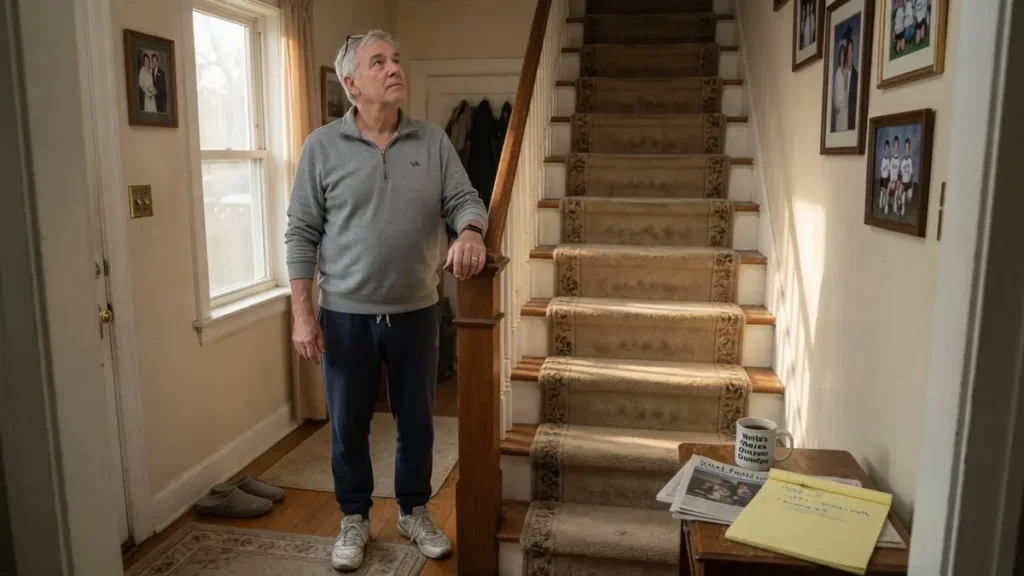
You walk into the kitchen and completely blank on why. The name of your neighbor’s husband — the one you’ve known for fifteen years — vanishes mid-sentence. You spent ten minutes yesterday hunting for reading glasses that were on your head. None of this felt like a big deal in your forties, but somewhere around sixty, the same lapses start to feel loaded. Is this just how brains age, or is something actually wrong?
In this article
- What actually happens to memory as you age
- Signs of dementia vs normal aging
- Mild cognitive impairment: the gray zone in between
- Early warning signs of Alzheimer’s specifically
- Things that mimic dementia and shouldn’t be missed
- When to worry about memory loss and see a doctor
- Practical habits that support memory at any age
- How to tell normal memory loss with aging vs dementia in everyday life
The distinction between normal memory loss with aging vs dementia is one of the most common worries people bring into a primary care office, and it deserves a real answer rather than a shrug. The short version: occasional forgetfulness is expected. Patterns that interfere with daily life are not. The longer version is more interesting, because the line between the two can be subtle.
What actually happens to memory as you age
Brains change with time, the same way joints and skin and eyes do. After about age 30, the brain slowly loses volume, blood flow to certain regions decreases, and the chemical messengers that help neurons talk to each other become a little less efficient. The hippocampus — the small, seahorse-shaped structure that helps form new memories — is particularly affected.
In practice, that means processing slows down. You can still learn new things, but it might take longer to absorb a new phone system at work or memorize a grandchild’s friends. You might walk into rooms and forget your errand, then remember it once you sit back down. Names temporarily disappear and resurface an hour later in the shower. This kind of age related forgetfulness is annoying, but it doesn’t keep you from running your life.
The hallmarks of typical age-related memory changes
Normal aging usually looks like this: you forget details but remember the gist. You misplace items but can retrace your steps. You blank on a word but find it later. You may need lists or calendars more than you used to, and that’s a reasonable adaptation, not a red flag. Most importantly, you’re still managing your finances, taking your medications, driving familiar routes, and following conversations.
More Helpful Reads You Might Like:
- Brain Fog vs Memory Loss: What’s the Real Difference?
- When to Worry About Memory Loss
- Stress Memory Problems
Signs of dementia vs normal aging
Dementia isn’t a single disease. It’s an umbrella term for a decline in thinking skills severe enough to interfere with independent living. Alzheimer’s is the most common cause, but vascular dementia, Lewy body dementia, and frontotemporal dementia are also part of the picture. What unites them is impact: memory and thinking problems that change what someone can actually do day to day.
Here’s where the difference becomes clearer. Someone with normal aging forgets where they parked. Someone with dementia may forget that they drove. Normal aging means occasionally missing a bill payment. Dementia may mean repeatedly forgetting to pay bills, then forgetting what bills are. Normal aging makes you reach for a word. Dementia can make familiar conversations feel like a foreign language.
Specific patterns clinicians look at when sorting signs of dementia vs normal aging include:
- Repeating the same question or story within a short conversation, without awareness of having done so
- Getting lost in familiar places, like a neighborhood walked for decades
- Trouble following recipes, instructions, or the plot of a TV show
- Difficulty handling money — paying the same bill twice, falling for scams, miscounting change
- Personality or mood shifts that feel out of character, such as new suspicion, apathy, or social withdrawal
- Putting items in unusual places (keys in the freezer) and being unable to retrace steps to find them
- Word substitutions that don’t quite make sense, or trouble naming common objects
One quiet but telling sign: the person experiencing it often doesn’t notice or minimizes it, while family members do notice. With ordinary forgetfulness, people tend to be acutely aware — sometimes overly so — of their own slips.
Mild cognitive impairment: the gray zone in between
Between normal aging and dementia sits a category called mild cognitive impairment, or MCI. People with MCI have measurable changes in memory or thinking that are more than expected for their age, but they’re still independent in daily life. They can still cook, drive, manage medications, and handle their checkbook — they just notice (and others notice) that something has shifted.
Mild cognitive impairment symptoms might include forgetting recent conversations more often than peers, frequently losing track during complex tasks, or struggling with planning that used to feel easy. Not everyone with MCI progresses to dementia. Some stay stable for years, some improve (especially if a reversible cause is found), and some do go on to develop Alzheimer’s or another dementia. That uncertainty is genuinely frustrating, and there’s no single test that predicts which path someone will take.
Early warning signs of Alzheimer’s specifically
Alzheimer’s tends to begin with short-term memory trouble, because it often starts in the hippocampus. Early warning signs of Alzheimer’s can include forgetting recently learned information (a doctor’s appointment made last week, a conversation from yesterday), increasingly relying on family for reminders, and asking the same question repeatedly. Over time, problems with judgment, language, and spatial awareness show up — getting lost while driving, struggling to follow a familiar recipe, or having trouble recognizing faces.
Vascular dementia, by contrast, may start with slowed thinking and trouble with planning rather than memory. Lewy body dementia often brings visual hallucinations and movement changes early on. The point isn’t to self-diagnose — it’s to understand that “dementia” doesn’t look one way.
Things that mimic dementia and shouldn’t be missed
Plenty of treatable conditions can look like cognitive decline, which is one reason a workup matters. Thyroid problems, low vitamin B12, depression, sleep apnea, urinary tract infections in older adults, medication side effects (especially from sedatives, antihistamines, and some bladder medications), alcohol use, and chronic stress can all blur thinking. Hearing loss is another underrated culprit — if you can’t hear conversations clearly, you can look confused when you’re really just missing words.
The honest answer is that some of these are reversible, and people sometimes get labeled with dementia when the real issue is a low B12 level or a medication that needed to be stopped. A thorough evaluation can sort this out.
When to worry about memory loss and see a doctor
Knowing when to worry about memory loss comes down to a few practical questions. Is the forgetfulness getting worse over months rather than staying steady? Is it affecting work, driving, finances, or relationships? Have family members or close friends noticed and mentioned it? Are there other changes — personality shifts, getting lost, trouble with familiar tasks, language problems?
If the answer to any of those is yes, it’s reasonable to schedule an appointment. A primary care clinician can do brief cognitive screening, review medications, check labs (thyroid, B12, sometimes more), and refer to neurology or a memory clinic if needed. Earlier evaluation is genuinely useful, because treatable causes can be addressed and, if it is dementia, planning and treatments work better when started sooner.
Get evaluated sooner rather than later if memory changes appear suddenly, follow a head injury, come with stroke-like symptoms (weakness, slurred speech, vision changes), or involve confusion that comes and goes within hours.
Practical habits that support memory at any age
Research suggests the same things that protect the heart also protect the brain. Regular aerobic exercise, sleep of seven to eight hours, treating high blood pressure and diabetes, staying socially engaged, managing hearing loss with aids when needed, limiting alcohol, and keeping the mind active through reading, learning, or hobbies all show benefit in studies of healthy adults. None of these guarantee anything, but they tilt the odds.
Worth knowing: brain training apps have a weaker evidence base than the marketing suggests. Walking with a friend three times a week probably does more for your brain than any subscription.
How to tell normal memory loss with aging vs dementia in everyday life
The most useful filter is function. Forgetting names, blanking on words, and losing track of why you walked into a room are part of being human with a few decades on the clock. Repeatedly forgetting how to do familiar things, getting lost in familiar places, or having other people notice a change before you do is different — and worth a conversation with a clinician. Tracking changes over six to twelve months, or asking a trusted family member what they’ve observed, often clarifies more than any single moment of forgetfulness ever will.
Medical Disclaimer: This content is for educational purposes only and does not replace professional medical advice, diagnosis, or treatment. Always consult your physician or a qualified healthcare provider with any questions about a medical condition.
Sources & Further Reading
How we sourced this article: we rely on peer-reviewed studies, clinical guidelines and public-health agencies (CDC, NIH, AHA, WHO), check every link before publishing, and update articles when the evidence changes. Read our editorial approach.
- National Institute on Aging: Memory Problems, Forgetfulness, and Aging
- National Institute on Aging: What Is Mild Cognitive Impairment?
- National Institute of Neurological Disorders and Stroke: Dementias
- Alzheimer’s Association: 10 Early Signs and Symptoms of Alzheimer’s & Dementia
- CDC: Signs and Symptoms of Dementia
- Mayo Clinic: Memory Loss — When to Seek Help