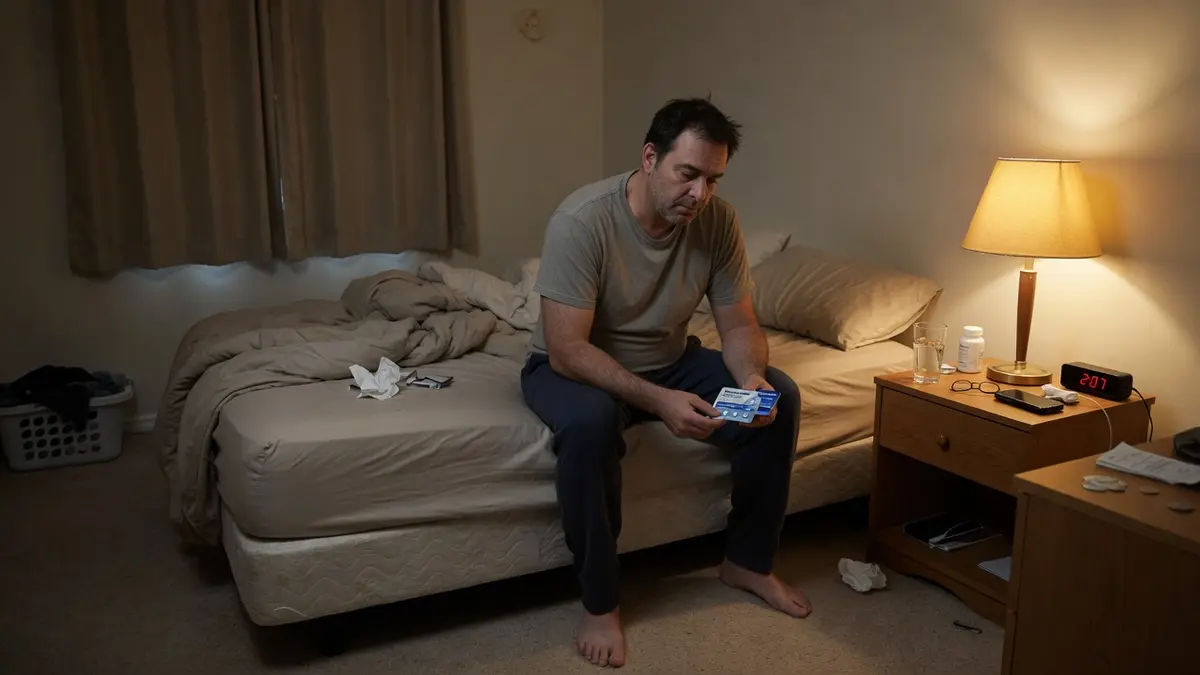

Forgetting why a room was entered. Losing track of conversations. Struggling to stay focused on simple tasks. These moments can feel unsettling—especially when they start happening more often.
It is common to wonder: can stress cause memory problems, or is something more serious going on?
In many cases, stress plays a bigger role than people realize. The connection between stress and memory is real, well-studied, and often misunderstood. What feels like memory loss is often a problem with attention, focus, or mental overload.
Understanding that difference can bring both clarity and relief.
What People Mean by Memory Problems
When people talk about memory issues, they are often describing everyday lapses:
- Forgetting names or appointments
- Losing track of tasks
- Difficulty concentrating
- Feeling mentally “foggy”
These experiences are sometimes labeled as brain fog, even though that is not a formal medical diagnosis.
True memory disorders—such as dementia—typically involve progressive and persistent decline that interferes with daily life. Stress-related memory problems tend to be more variable and often improve when the underlying cause is addressed.
Can Stress Cause Memory Problems? Understanding the Link
The short answer is yes—stress can cause memory problems, but usually in indirect ways.
Rather than damaging memory immediately, stress affects the systems the brain relies on to form, store, and retrieve information.
The Role of Cortisol and the Brain
When the body is under stress, it releases cortisol, a hormone designed to help respond to challenges. In short bursts, this response can be helpful.
However, when stress becomes chronic, elevated cortisol levels may begin to affect brain regions such as the hippocampus, which plays a key role in memory formation.
Research suggests that prolonged exposure to stress hormones may:
- Interfere with how memories are formed
- Make it harder to retrieve stored information
- Reduce mental flexibility over time
This does not mean permanent damage occurs in every case. In many people, these effects are reversible when stress is reduced.
Why Stress Affects Focus Before Memory
One of the most important insights is this:
stress often affects attention first—not memory itself.
If the brain is distracted, overwhelmed, or fatigued, it may never fully process information in the first place. That makes recall later feel like “forgetting,” even though the memory was never solidly formed.
This is why stress-related memory problems often include:
- Difficulty concentrating
- Increased mental fatigue
- Slower thinking
- Trouble multitasking
In real life, it may feel like memory is failing, when in fact the brain is overloaded.
More Helpful Reads You Might Like:
7 Signs Stress May Be Affecting Your Memory
Certain patterns suggest that stress—rather than a neurological condition—may be contributing to memory issues.
- Forgetfulness worsens during busy or emotional periods
Memory tends to decline when stress levels rise. - Focus feels harder than usual
Tasks that once felt easy may now require more effort. - Sleep quality is poor
Stress often disrupts sleep, which is essential for memory consolidation. - Mental fatigue builds throughout the day
Thinking may feel slower or more effortful over time. - There is increased irritability or anxiety
Emotional strain can affect cognitive performance. - Symptoms improve after rest or time off
A break often restores clarity. - There are no major functional impairments
Daily independence remains intact, even if things feel harder.
When Memory Problems May Be More Than Stress
While stress is a common cause, it is not the only one.
Certain symptoms suggest that something more may be happening.
Warning Signs That Deserve Medical Attention
- Repeating the same questions frequently
- Getting lost in familiar places
- Difficulty managing finances or medications
- Confusion about time, people, or location
- Noticeable decline in daily functioning
These changes should be evaluated by a healthcare professional.
Other Common Causes of Memory Issues
Memory problems may also be linked to:
- Sleep disorders
- Depression or anxiety
- Medication side effects
- Vitamin deficiencies (such as B12)
- Thyroid or metabolic conditions
Because these conditions are often treatable, identifying the cause matters.
How to Protect Your Memory from Stress
The encouraging news is that many stress-related memory problems can improve with practical changes.
Daily Habits That Support Brain Health
- Prioritize sleep
Quality sleep supports memory processing and cognitive recovery - Manage stress actively
Techniques such as mindfulness, exercise, or structured routines may help - Stay physically active
Regular movement supports blood flow to the brain - Limit multitasking
Focusing on one task at a time improves information retention - Take mental breaks
Short pauses during the day can restore attention
When Professional Support Makes a Difference
If stress feels overwhelming or persistent, professional guidance can be helpful.
Therapies such as cognitive behavioral therapy (CBT), stress management programs, or medical evaluation may address both emotional and cognitive symptoms.
The Bottom Line
So, can stress cause memory problems?
In many cases, yes—but often indirectly.
Stress affects focus, attention, sleep, and mental energy. When those systems are strained, memory may appear to suffer.
The key insight is this: not all forgetfulness signals a serious condition. Sometimes, it reflects a brain that is simply overloaded.
Still, persistent or worsening symptoms should not be ignored. Identifying the cause—whether stress or something else—is the first step toward improvement.
Medical Disclaimer
This content is for educational purposes only and does not replace professional medical advice, diagnosis, or treatment. Always consult your physician or a qualified healthcare provider with any questions about a medical condition.
Sources & Further Reading
Stress effects on memory: an update and integration
https://pubmed.ncbi.nlm.nih.gov/33084805/
Glucocorticoids and memory: interactions with the hippocampus
https://pmc.ncbi.nlm.nih.gov/articles/PMC5619133/
Mayo Clinic — Stress symptoms: Effects on your body and behavior
https://www.mayoclinic.org/healthy-lifestyle/stress-management/in-depth/stress-symptoms/art-20050987
National Institute on Aging — Memory Problems and Aging
https://www.nia.nih.gov/health/memory-loss-and-forgetfulness/memory-problems-forgetfulness-and-aging