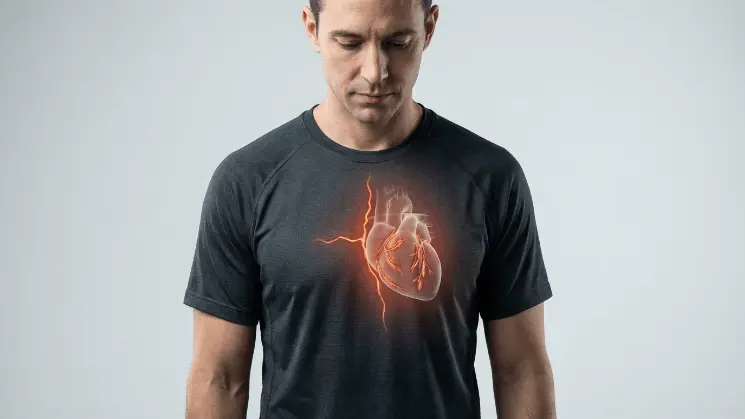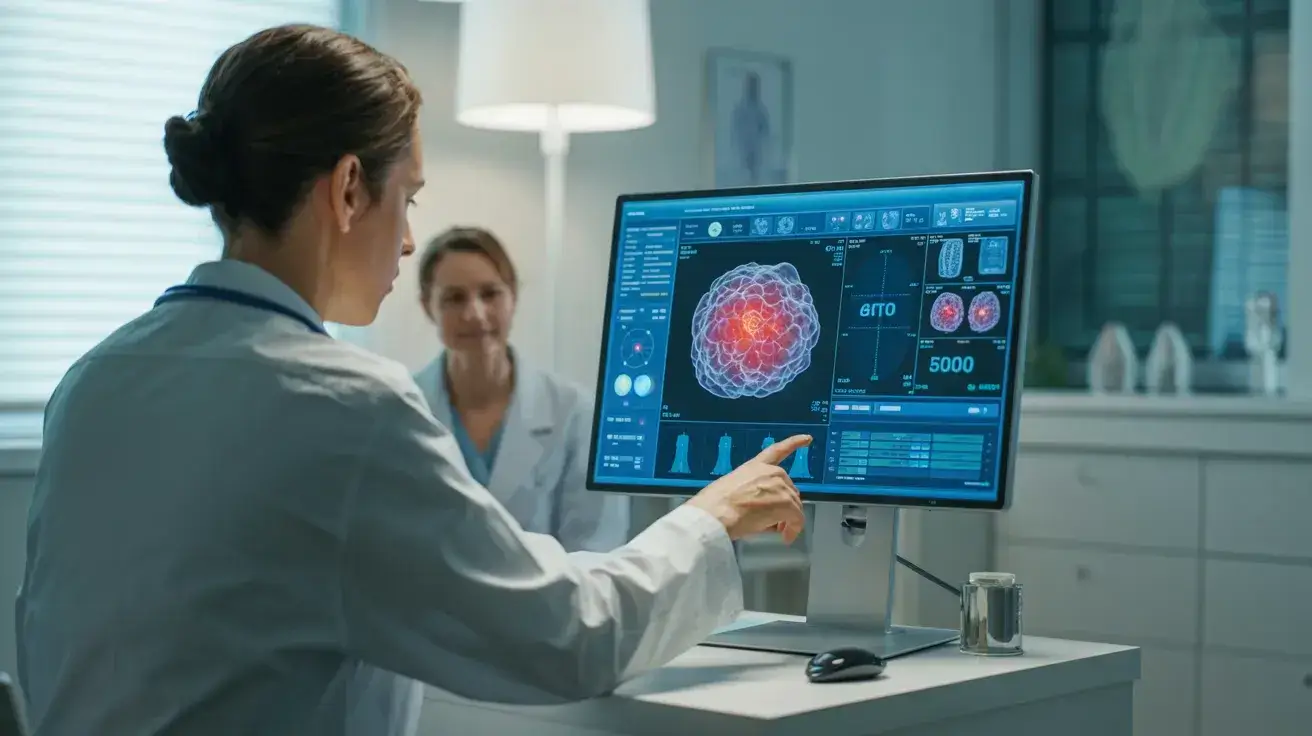
Artificial intelligence is no longer a futuristic concept in medicine. AI in healthcare is already being used in hospitals, clinics, and imaging centers across the United States. For many patients, the question is no longer whether artificial intelligence in healthcare exists—but what it actually means for their safety, diagnoses, and everyday care.
Here is what patients should understand in 2026.
What Is AI in Healthcare?
At its core, AI in healthcare refers to computer systems designed to analyze medical data and assist healthcare professionals in making decisions. These systems can review thousands—or even millions—of data points far faster than a human could.
How artificial intelligence in healthcare actually works
Artificial intelligence uses algorithms trained on large datasets. In medicine, those datasets may include:
- Medical images
- Electronic health records
- Lab results
- Clinical outcomes
Over time, the system learns patterns. For example, certain imaging patterns may be associated with early cancer. Certain lab trends may predict complications.
It is important to understand that AI does not “think” like a physician. It detects patterns based on previous data.
Why AI is expanding rapidly in U.S. medicine
Several forces are accelerating AI in healthcare:
- An aging population
- Increasing chronic disease
- Physician workforce shortages
- Large volumes of digital medical data
Hospitals and health systems are exploring artificial intelligence in healthcare to improve efficiency and reduce administrative burden. Federal agencies, including the U.S. Food and Drug Administration (FDA), have also created regulatory pathways for AI-based medical devices.
More Helpful Reads You Might Like:
Where AI in Healthcare Is Already Being Used
For many patients, AI in healthcare is already part of their medical experience—even if they are unaware of it.
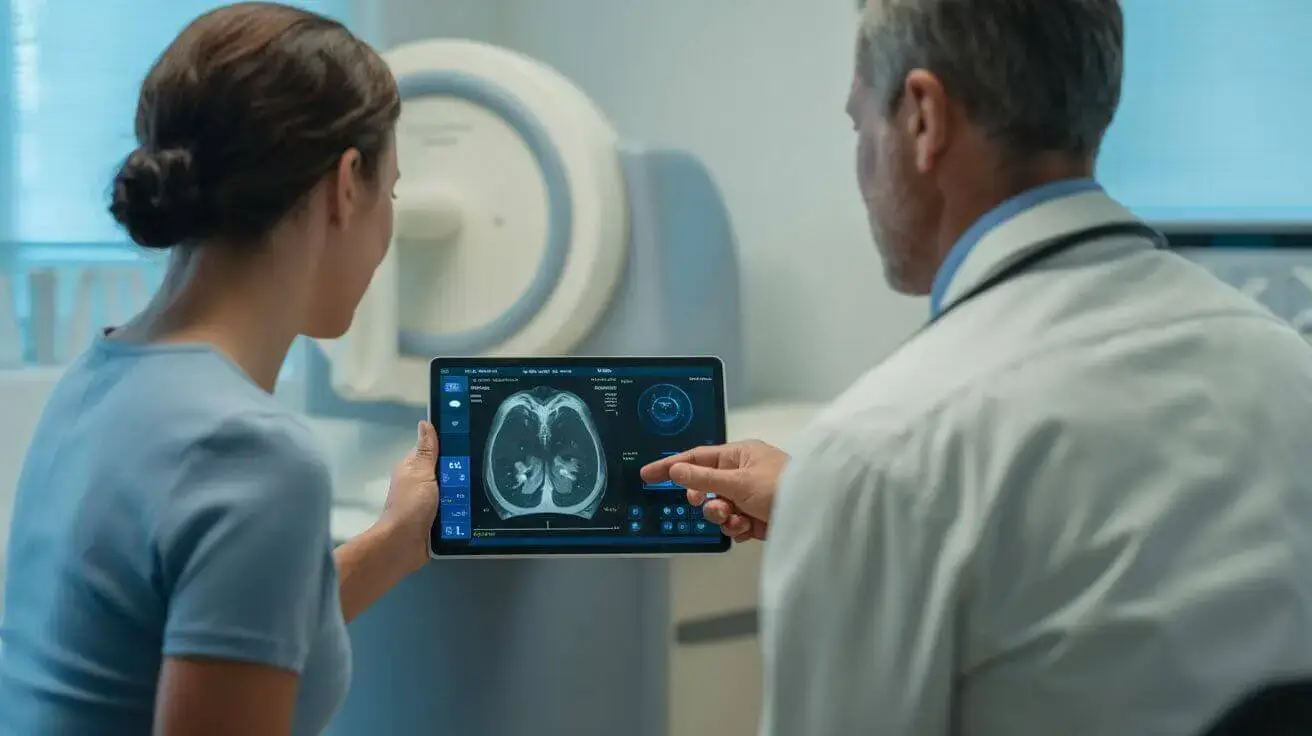
AI medical diagnosis and imaging
One of the most studied areas is AI medical diagnosis in radiology and dermatology. Algorithms can help detect:
- Breast cancer on mammograms
- Lung nodules on CT scans
- Diabetic retinopathy in eye exams
- Skin cancer from images
Research published in high-impact journals has shown that, in specific tasks, AI systems can approach specialist-level performance in image recognition. However, these systems are designed to assist—not replace—clinicians.
Predicting risk and preventing complications
Artificial intelligence in healthcare is also used to:
- Identify patients at risk for sepsis
- Predict hospital readmission
- Flag abnormal heart rhythms
- Estimate cardiovascular risk
By analyzing electronic health records, AI may alert clinicians earlier than traditional systems.
For patients, this may mean earlier intervention and potentially better outcomes.
AI and patient care in primary care settings
In primary care, AI in healthcare may support:
- Automated documentation
- Appointment triage
- Medication safety alerts
- Risk stratification
Some systems reduce time spent on paperwork, allowing clinicians to focus more directly on patient interaction.
Is AI in Healthcare Safe?
Safety is one of the most common concerns. Patients often ask: Is AI safe in healthcare?
The answer depends on how the technology is developed, validated, and regulated.
The role of FDA-approved AI medical devices
The FDA regulates many AI-based medical tools. There are now hundreds of FDA-approved AI medical devices, particularly in imaging and cardiology.
These tools must demonstrate safety and effectiveness before approval. However, regulatory science is still evolving, especially as some AI systems continue learning over time.
Transparency and post-market monitoring remain essential.
Human oversight and clinical responsibility
In nearly all approved uses, AI in healthcare functions as a decision-support tool. A licensed clinician reviews the results and makes the final medical judgment.
Medical responsibility does not shift to a machine.
Human oversight remains a cornerstone of safe implementation.
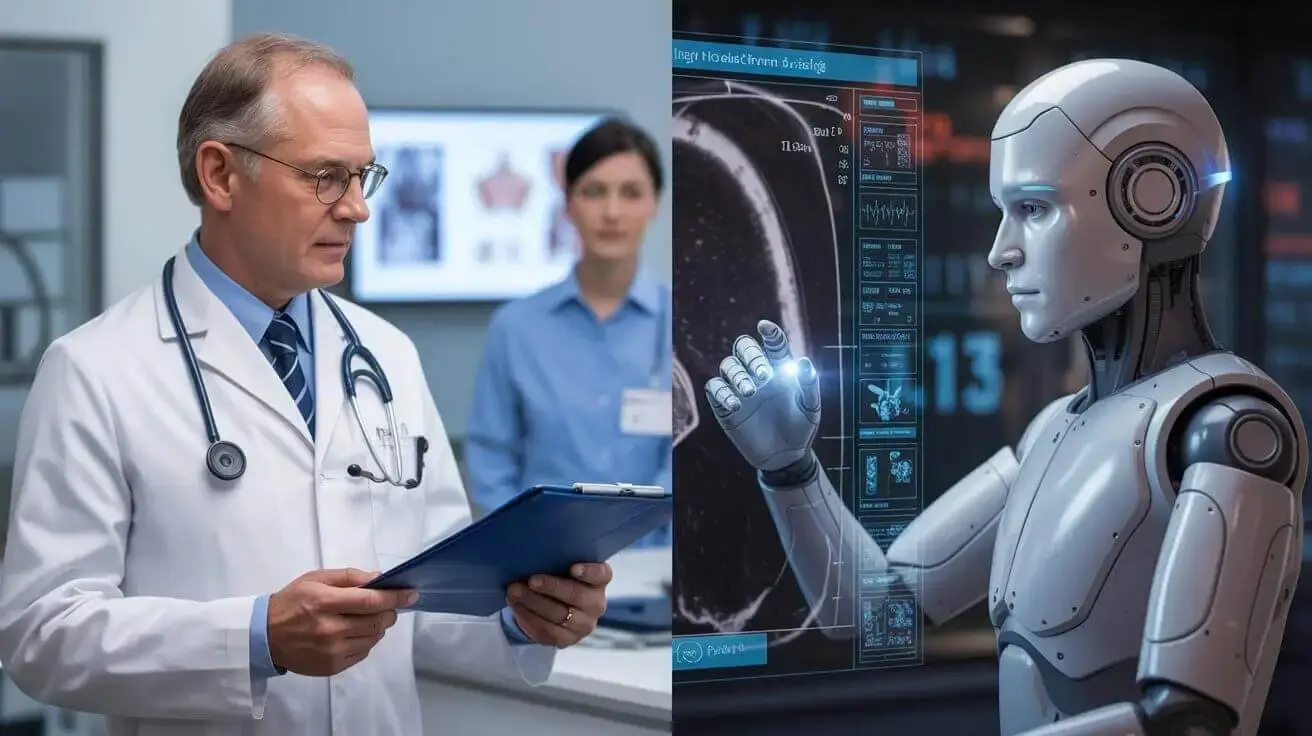
Can AI Replace Doctors?
The idea that artificial intelligence in healthcare could replace physicians generates strong reactions.
Current evidence does not support full replacement.
What research shows
AI performs best in narrow, well-defined tasks—such as image recognition. Medicine, however, involves:
- Complex decision-making
- Ethical judgment
- Communication
- Individualized care
Studies comparing AI medical diagnosis tools with clinicians often show strong performance in specific technical tasks, but not in comprehensive patient care.
Why human judgment still matters
Patients are not datasets. Symptoms may be subtle. Social factors matter. Emotional support matters.
AI in healthcare may enhance decision-making, but empathy, ethical reasoning, and shared decision-making remain human responsibilities.
Benefits and Limitations of AI in Healthcare
Understanding both sides helps patients form realistic expectations.
Potential benefits for patients
AI in healthcare may:
- Improve early disease detection
- Reduce diagnostic errors in certain settings
- Increase efficiency
- Support preventive care
- Help address physician shortages
Some systems may help standardize care, reducing variation.
Important limitations to understand
However, artificial intelligence in healthcare also has limitations:
- Algorithms reflect the data used to train them
- Bias may affect accuracy in underrepresented populations
- Overreliance could reduce critical thinking
- Data privacy concerns remain
Not every patient will benefit equally. Sensitivity and performance may vary among individuals.
Balanced implementation is essential.
What AI in Healthcare Means for You in 2026
For most patients, AI in healthcare will likely appear in subtle ways:
- Faster imaging results
- Automated reminders
- Risk alerts
- Streamlined documentation
It is unlikely that a robot will replace a physician in the exam room. Instead, artificial intelligence in healthcare is more often working behind the scenes.
When encountering AI-supported tools, patients may consider asking:
- Is this tool FDA-cleared or approved?
- How is my data protected?
- How does this support my clinician’s decision?
Informed patients are empowered patients.
Technology continues to evolve. Guidelines from professional societies emphasize that AI should enhance—not replace—patient-centered care.
In 2026, AI in healthcare represents a powerful tool. But medicine remains a human profession, grounded in trust, ethics, and clinical judgment.
Medical Disclaimer: This content is for educational purposes only and does not replace professional medical advice, diagnosis, or treatment. Always consult your physician or a qualified healthcare provider with any questions about a medical condition.
Sources & Further Reading
- Esteva A, et al. Dermatologist-level classification of skin cancer with deep neural networks. Nature. 2017.
https://pubmed.ncbi.nlm.nih.gov/28117445/ - Topol EJ. High-performance medicine: the convergence of human and artificial intelligence. Nature Medicine. 2019.
https://pubmed.ncbi.nlm.nih.gov/30617339/ - U.S. Food & Drug Administration – Artificial Intelligence and Machine Learning in Medical Devices
https://www.fda.gov/medical-devices/software-medical-device-samd/artificial-intelligence-and-machine-learning-aiml-enabled-medical-devices - National Institutes of Health (NIH) – Artificial Intelligence in Health Care
https://pmc.ncbi.nlm.nih.gov/articles/PMC11582508/ - Centers for Disease Control and Prevention (CDC) – Public Health and Data Modernization
https://www.cdc.gov/data-modernization/php/about/index.html - Mayo Clinic – Artificial intelligence in healthcare
https://www.mayoclinic.org/giving-to-mayo-clinic/our-priorities/artificial-intelligence - Harvard Health Publishing – Will artificial intelligence replace your doctor?
https://www.health.harvard.edu/staying-healthy/will-artificial-intelligence-replace-doctors#:~:text=Ask%20the%20doctor&text=Will%20artificial%20intelligence%20replace%20my,it%20is%20developed%20and%20used.