For many people, mornings start with the comforting sound of a coffee capsule clicking into place. It’s fast, consistent, and mess-free — a small luxury that makes busy mornings easier. But as the popularity of pod coffee grows, so do questions: Are coffee capsules safe for health? Do they release chemicals like BPA or microplastics?
Let’s explore what science says about the safety of coffee capsules and how to make informed, healthier choices.
What Are Coffee Capsules Made Of?
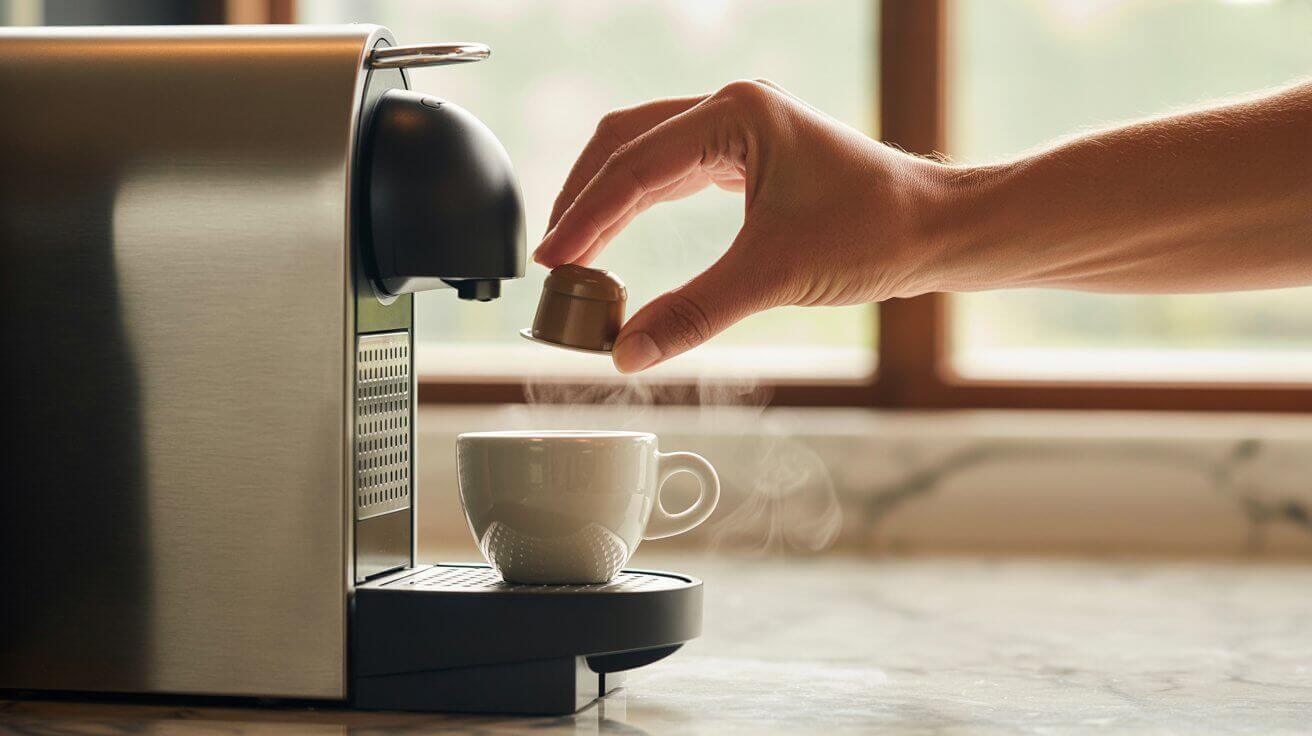
Most single-serve coffee capsules, often called pods, are made of plastic, aluminum, or a combination of both. Inside, a thin film or lining protects the coffee from oxygen and moisture, keeping it fresh. However, these same materials can raise concerns when exposed to high heat during brewing.
Plastic, Aluminum, and Coatings Explained
- Plastic capsules are typically made from food-grade polypropylene or polyethylene. These materials are approved for contact with hot beverages but can still release trace amounts of chemicals if overheated.
- Aluminum capsules (like Nespresso) have an internal coating that prevents the metal from directly touching the coffee. This coating may contain BPA-type compounds or other plasticizers in some older designs.
- Compostable pods use plant-based materials such as polylactic acid (PLA). These are generally safer for both health and the environment, though they may require specific conditions to decompose properly.
BPA and Other Chemicals in Coffee Pods
BPA (bisphenol A) is a chemical once widely used in plastics and linings. Studies have shown that BPA can mimic estrogen in the body, raising concerns about hormonal effects. While many manufacturers now label their products as “BPA-free,” that doesn’t always guarantee the absence of similar substances (like BPS or BPF) that may behave in comparable ways.
More Helpful Reads You Might Like:
Are Coffee Capsules Safe for Health?
What Research Says About BPA Exposure
According to the U.S. Food and Drug Administration (FDA), the current levels of BPA exposure from food and drink packaging are considered safe for adults. However, cumulative exposure — from cans, bottles, and capsules — might add up for some individuals.
A 2023 review in Environmental Health Perspectives noted that BPA and its alternatives can leach into hot beverages in very small amounts, but usually below levels known to cause harm in humans. The risk is higher if the pod is made of non–food-grade plastic or if reused multiple times.
Microplastics and Hot Water Extraction
When boiling water flows through a plastic pod under pressure, tiny fragments of plastic — called microplastics — can sometimes detach. Studies have detected these particles in brewed coffee, but typically in trace amounts far below levels found in bottled water or seafood.
Still, research on the long-term health effects of microplastics is ongoing. Scientists are especially interested in whether chronic, low-level ingestion may influence inflammation, hormone balance, or gut health.
Aluminum Pods and Heavy Metal Concerns
Aluminum itself does not easily dissolve in coffee, especially when protected by a coating. However, poor-quality or damaged capsules could theoretically release small amounts. According to Harvard Health Publishing, aluminum exposure from food or beverages is minimal compared with everyday sources such as cookware or antiperspirants.
So far, there is no strong evidence linking aluminum coffee pods with toxic exposure or disease.
How to Make Coffee Pods Safer to Use
For those who love their capsule machines, there’s no need to give them up. A few simple steps can help minimize any potential risk and make your morning cup more sustainable.
Smart Choices: BPA-Free and Compostable Options
- Look for “BPA-free” and “BPS-free” labels. Reputable brands often highlight these on packaging.
- Choose certified compostable or plant-based pods. Options made from cornstarch-based PLA or cellulose materials limit chemical migration and reduce waste.
- Avoid unknown or generic pods. Off-brand or unverified products may not meet FDA food-contact standards.
Better Brewing Habits for Less Exposure
- Avoid reusing single-use capsules. Reheating them can increase the release of chemicals.
- Let the machine cool between uses. This reduces heat buildup that could degrade plastic coatings.
- Clean your coffee maker regularly. Old residue and oils can alter temperature flow and pressure balance.
- Consider reusable stainless steel capsules. These eliminate plastic contact altogether and cut down on waste.
The Bottom Line: Balance and Awareness
For most adults, drinking coffee made from modern, high-quality capsules is considered safe. The levels of BPA, microplastics, or aluminum detected so far are extremely low and well within safety margins established by U.S. health agencies.
That said, being mindful of materials, choosing reputable brands, and adopting simple brewing habits can further minimize any potential exposure. In other words, you don’t have to give up your favorite coffee routine — just make it smarter.
Medical Disclaimer: This content is for educational purposes only and does not replace professional medical advice, diagnosis, or treatment. Always consult your physician or a qualified healthcare provider with any questions about a medical condition.