Why Gut Health Matters
Your gut does more than digest food — it influences mood, immunity, and energy. In fact, about 70% of your immune system lives in your intestines. This network of trillions of bacteria — known as the gut microbiome — communicates with your brain through the gut–brain axis, shaping how you feel and function every day.
When your microbiome is balanced, digestion runs smoothly, nutrients are absorbed efficiently, and inflammation stays in check. But when it’s disrupted by poor diet, stress, or antibiotics, you might notice bloating, fatigue, or food sensitivities.
The good news? You can nourish your gut naturally through simple food choices.
More Helpful Reads You Might Like:
Top 10 Best Foods for Gut Health
1. Yogurt and Kefir: Natural Probiotic Powerhouses
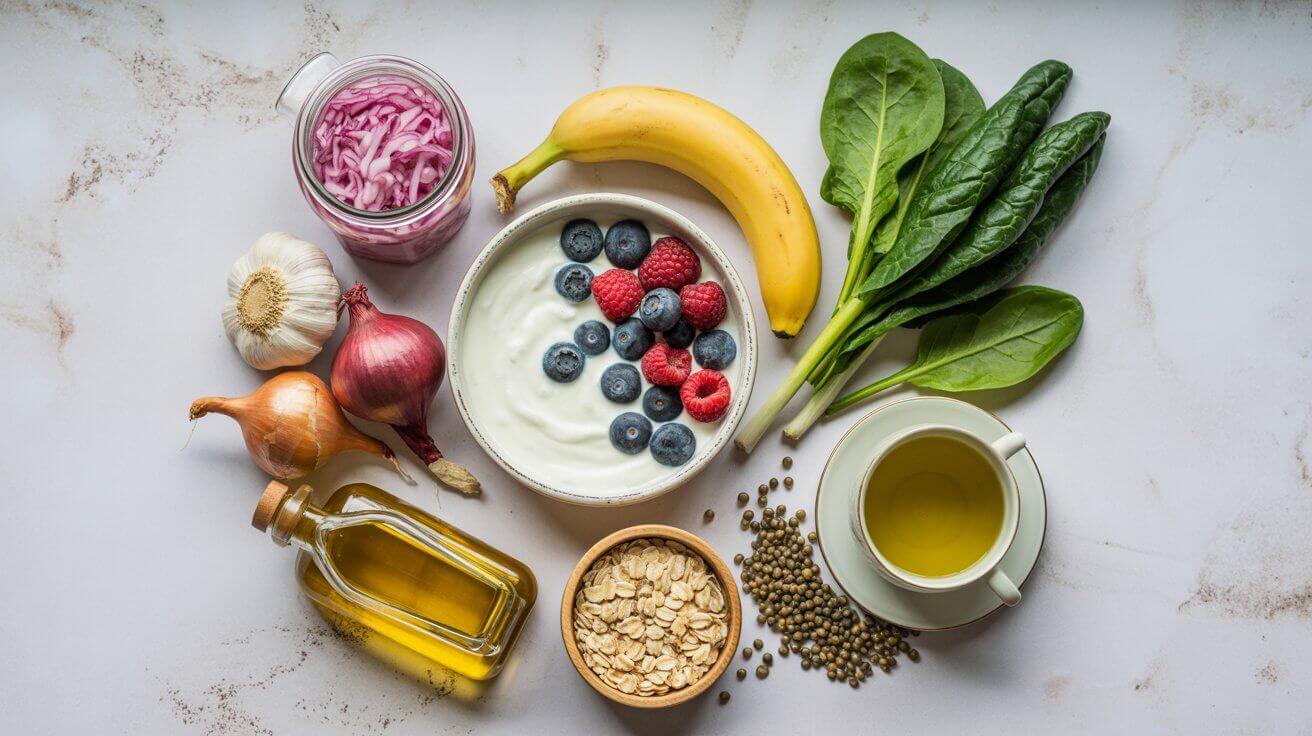
Yogurt and kefir are rich in live and active cultures that help restore healthy gut bacteria. These probiotics may reduce bloating, improve digestion, and support your immune system.
→ Choose plain, unsweetened versions with “live cultures” on the label for maximum benefits.
2. Kimchi and Sauerkraut: Fermented Flavor with Benefits
Fermented vegetables like kimchi and sauerkraut are full of natural probiotics, fiber, and antioxidants. Regularly adding them to meals can support healthy digestion and reduce inflammation.
Tip: A small serving goes a long way — watch for sodium content in store-bought versions.
3. Oats and Barley: Gentle Fibers that Feed Good Bacteria
Whole grains such as oats and barley provide beta-glucans, a type of soluble fiber that acts as a prebiotic — food for your good bacteria. These grains also support healthy cholesterol and help you feel full longer.
4. Bananas: A Simple Prebiotic Snack
Especially when slightly green, bananas contain resistant starch — a natural prebiotic that nourishes gut bacteria. They’re easy to digest and ideal for anyone recovering from an upset stomach.
5. Garlic and Onions: Microbiome-Boosting Alliums
Garlic and onions are loaded with inulin, a prebiotic fiber that supports beneficial bacteria like Bifidobacteria. They also contain natural antibacterial compounds that help balance harmful microbes.
→ Add them cooked or raw to sauces, soups, or salads.
6. Leafy Greens: Gut-Friendly Nutrient Power
Spinach, kale, and other greens are rich in fiber, folate, and antioxidants. Research shows they help grow good gut bacteria and protect the intestinal lining. Pair greens with olive oil for better nutrient absorption.
7. Berries: Antioxidants for a Balanced Gut
Blueberries, raspberries, and strawberries are packed with polyphenols, plant compounds that act as antioxidants and prebiotics. Regular berry intake supports a diverse microbiome and may help lower inflammation.
8. Legumes: Fiber-Rich Fuel for Good Bacteria
Beans, lentils, and chickpeas are excellent sources of fiber and prebiotics. While they can cause gas for some, soaking and cooking them thoroughly helps. Over time, your gut adapts — and they become valuable allies for digestive health.
9. Green Tea: Polyphenols for Gut Balance
Green tea offers catechins, antioxidants that reduce inflammation and encourage healthy gut bacteria. A cup or two a day supports digestion and provides gentle energy without the jitters of coffee.
10. Olive Oil: Healthy Fat that Soothes Digestion
Extra virgin olive oil is rich in monounsaturated fats and polyphenols, which act as natural anti-inflammatories. They protect the gut lining, promote microbial diversity, and support smoother digestion.
→ Use it for cooking or drizzle it over salads and vegetables.
Simple Daily Habits for Gut Health
Building a healthy gut is about consistency, not perfection. Small habits make a lasting difference.
✅ Eat more plant diversity: Aim for 20–30 plant-based foods each week to feed a range of bacteria.
✅ Limit ultra-processed foods: These often contain additives and low fiber, which can harm your microbiome.
✅ Stay hydrated: Water helps fiber do its job and keeps digestion smooth.
✅ Manage stress: Chronic stress affects gut motility and balance. Try mindfulness, yoga, or a short daily walk.
When to Seek Medical Advice
Diet plays a big role in gut health, but persistent symptoms could point to a deeper issue. Contact a healthcare provider if you experience:
- Ongoing bloating, gas, or abdominal pain
- Frequent constipation or diarrhea
- Unexplained weight loss
- Blood in your stool
These may signal conditions such as IBS, celiac disease, or IBD.
FAQs About Gut Health
1. What are the best foods to restore gut health naturally?
Yogurt, kefir, fermented vegetables, and fiber-rich foods like oats and greens are among the best for restoring balance.
2. How long does it take to improve gut health with diet?
Most people notice changes in 2–4 weeks of consistent healthy eating and reduced processed food intake.
3. What foods should I avoid for a healthy gut?
Limit refined sugar, alcohol, fried foods, and artificial sweeteners — they can disrupt good bacteria.
4. Are probiotics or prebiotics better for gut health?
Both are important: probiotics add beneficial bacteria, while prebiotics feed the ones already there.
Wrap-Up: Feed Your Gut, Feed Your Health
Your gut thrives on real, whole foods. From probiotic yogurt to leafy greens and olive oil, each choice supports digestion, immunity, and energy naturally. Feed your microbiome well — and it will take care of you in return.
Medical Disclaimer: This content is for educational purposes only and does not replace professional medical advice, diagnosis, or treatment. Always consult your physician or healthcare provider with any questions about a medical condition.
Sources & Further Reading
- National Institutes of Health (NIH) – Keeping Your Gut in Check
- National Institutes of Health (NIH) – Gut Bacteria May Reduce Cholesterol and Lower Heart Disease Risk
- Centers for Disease Control and Prevention (CDC) – Nutrition Guidelines and Recommendations
- Centers for Disease Control and Prevention (CDC) – Tips for Healthy Eating for a Healthy Weight
- Harvard Health Publishing – Diet, Disease, and the Microbiome
- Mayo Clinic – Probiotics and Prebiotics: What You Need to Know
- PubMed – Gut Microbiota Functions: Metabolism of Nutrients and Other Food Components (Review Article)