Feeling drained or unable to concentrate? The best vitamins for energy and focus can help your body and brain perform at their best. While caffeine offers quick stimulation, lasting energy comes from nutrients that fuel your cells and sharpen mental clarity. Here’s how essential vitamins and minerals keep fatigue away — and which ones truly make a difference.
Why Energy and Focus Depend on Nutrition
Energy isn’t something you can “get” instantly. It’s produced inside your cells, where vitamins act as catalysts to convert food into usable fuel. Certain nutrients also protect brain cells, balance neurotransmitters (your brain’s messengers), and maintain steady mood and focus throughout the day.
When these vitamins run low, fatigue, brain fog, and lack of motivation often follow. Let’s explore which nutrients are most effective for sustaining mental and physical energy.
More Helpful Reads You Might Like:
1. B Vitamins: The Ultimate Energy Complex
When people mention “energy vitamins,” they’re usually talking about B vitamins — especially B12, B6, and folate (B9). These nutrients work together to transform carbohydrates, fats, and proteins into energy your body can actually use. They also help produce red blood cells, which carry oxygen to your muscles and brain.
Vitamin B12 (Cobalamin)
- Supports nerve health and red blood cell formation
- Prevents anemia and fatigue
- Deficiency may cause weakness, memory issues, or tingling sensations
Vitamin B6 (Pyridoxine)
- Helps produce neurotransmitters like serotonin and dopamine
- Supports mental clarity and focus
Folate (Vitamin B9)
- Aids DNA repair and cell growth
- Essential for energy metabolism
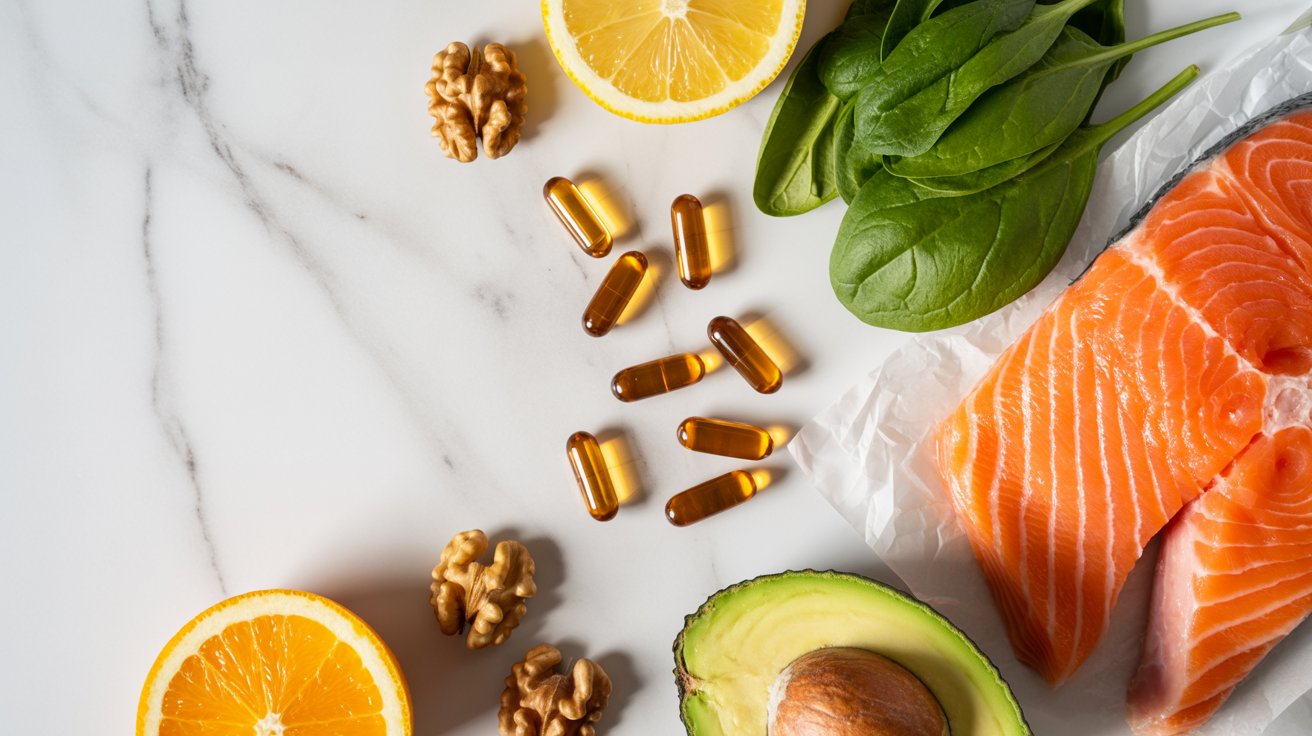
Best food sources: salmon, eggs, lean meats, leafy greens, legumes, and fortified cereals
Supplement tip: A B-complex supplement offers balanced support, especially for vegetarians or adults over 50.
2. Vitamin D: The Sunshine Nutrient for Mental Clarity
Known as the “sunshine vitamin,” vitamin D plays a vital role in energy, focus, and mood regulation. Low levels are often linked to fatigue, brain fog, and low motivation, particularly during winter months or in those who spend little time outdoors.
Best food sources: fortified milk, salmon, tuna, and egg yolks
Supplement tip: Adults typically need 600–800 IU daily, though higher doses may be prescribed after a blood test.
3. Iron: Fueling Oxygen Delivery to the Brain
Iron is essential for forming hemoglobin, which carries oxygen through your bloodstream. When iron levels drop, oxygen supply to the brain decreases — causing tiredness, poor focus, and headaches.
Those most at risk include women of childbearing age, vegetarians, and endurance athletes.
Best food sources: lean red meat, poultry, beans, lentils, spinach, and fortified cereals
Supplement tip: Only take iron supplements under medical advice, as excess intake can be harmful.
4. Magnesium: The Hidden Mineral for Cellular Energy
Every cell in your body depends on magnesium to create energy (ATP). Low magnesium levels can cause fatigue, irritability, or even muscle cramps. Since modern diets often lack magnesium-rich foods, mild deficiencies are common.
Best food sources: nuts, seeds, avocados, dark chocolate, and whole grains
Supplement tip: Magnesium glycinate or citrate is easier to absorb and gentler on the stomach.
5. Omega-3 Fatty Acids: Brain Power Essentials
Though technically not a vitamin, omega-3 fatty acids are crucial for brain structure and performance. They support memory, attention, and communication between brain cells — helping reduce mental fatigue and improve alertness.
Best food sources: salmon, sardines, chia seeds, flaxseeds, and walnuts
Supplement tip: Choose high-quality fish oil containing both EPA and DHA, ideally third-party tested for purity.
Natural Ways to Boost Energy Beyond Vitamins
Vitamins and supplements work best when paired with healthy lifestyle habits. Try these science-backed energy boosters:
- 💧 Stay hydrated: Even mild dehydration can affect focus.
- 🍽️ Eat balanced meals: Combine complex carbs with protein and healthy fats for steady energy.
- 💤 Prioritize sleep: Aim for 7–9 hours per night — no supplement can replace rest.
- 🏃 Move daily: Light exercise increases blood flow and oxygen to the brain.
- 🚫 Reduce added sugars: Sugar highs lead to crashes that drain focus.
When to Talk to a Doctor About Fatigue
If tiredness or poor concentration persists despite good nutrition and sleep, it might signal an underlying condition such as thyroid imbalance, anemia, or depression. A healthcare professional can recommend the right tests and treatments to restore healthy energy levels.
Frequently Asked Questions
Q1: What are the best vitamins for tiredness and lack of focus?
B vitamins (especially B12, B6, and folate), vitamin D, magnesium, and iron are among the best vitamins for energy and focus.
Q2: Can vitamin D help with mental fatigue?
Yes. Low vitamin D levels are often associated with fatigue, brain fog, and low mood, particularly during winter.
Q3: Is it better to take a B-complex or individual B vitamins?
A B-complex supplement provides balanced energy support and reduces the risk of deficiency across multiple B vitamins.
Q4: How long does it take for vitamins to improve focus?
You may notice subtle improvements within a few weeks, but consistent intake and balanced diet are key for lasting results.
Key Takeaways
- The best vitamins for energy and focus include B12, B6, folate, vitamin D, iron, magnesium, and omega-3s.
- Deficiency in any of these can lead to fatigue, poor memory, or mood dips.
- Combine supplementation with hydration, quality sleep, and nutrition for sustainable energy.
- Always consult a healthcare provider before starting new supplements.
Sources & Further Reading
- Tardy A-L, Pouteau E, Marquez D, Yilmaz C, Scholey A. “Vitamins and Minerals for Energy, Fatigue and Cognition: A Narrative Review of the Biochemical and Clinical Evidence.” Nutrients. 2020;12:228.
- Harvard Health – “Best vitamins and minerals for energy”.
- NIH Office of Dietary Supplements – Vitamin D Fact Sheet for Consumers.
- NIH Office of Dietary Supplements – Vitamin D Fact Sheet for Health Professionals.