
Category: General Health

Hearing a whistling or high-pitched sound when breathing can be unsettling. Many people pause and wonder: why do I wheeze when I breathe? That sound—called wheezing—is often a sign that air is having trouble moving through the lungs. Sometimes it’s temporary and harmless. Other times, it may point to an underlying condition that needs attention.…

It often starts quietly. A bit more fatigue than usual. Swelling that seems minor. Maybe a change in how often the bathroom is used. Nothing dramatic—just small shifts that are easy to brush off. That’s exactly what makes the early signs of kidney problems so easy to miss. Kidneys are remarkably resilient organs. They can…

Feeling hungry shortly after eating can be frustrating—and sometimes a little confusing. Many people wonder, “Why am I always hungry?” even when they believe they’re eating enough. In some cases, the answer is surprisingly simple. In others, constant hunger may reflect how the body regulates energy, hormones, sleep, or even stress. Understanding what drives appetite…

Waking up at 3AM can feel strangely consistent—and often frustrating. The clock reads nearly the same time each night, and the mind suddenly feels alert when it should be resting. For many people, this pattern raises a common question: why do I wake up at 3am every night, even when I go to bed tired?…

A sudden, uneasy feeling that something bad is about to happen can be deeply unsettling. It may come out of nowhere—during a quiet moment, while working, or even when everything seems fine on the surface. Many people struggle to explain it. The question often sounds the same: why do I feel like something bad is…
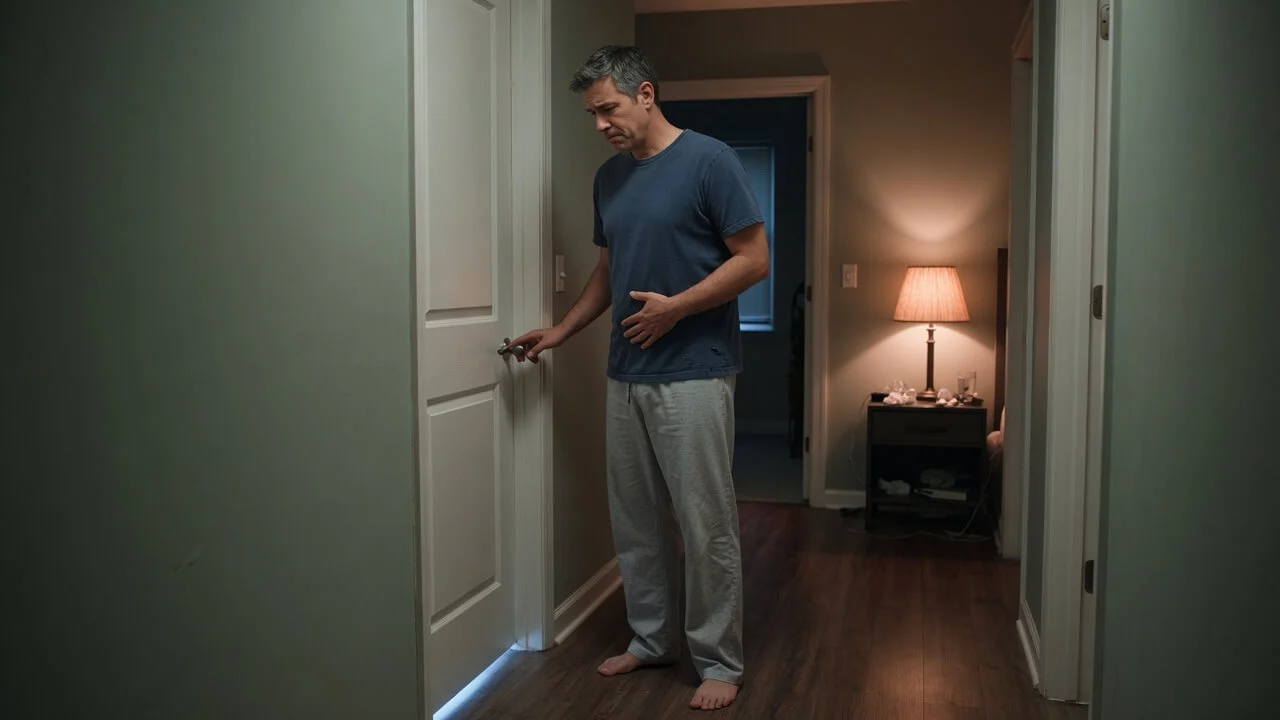
Needing to use the bathroom more often than usual can feel disruptive—and sometimes a little concerning. It might show up as repeated daytime trips, waking up at night to urinate, or a constant feeling that the bladder is never quite empty. For many people, the first thought is simple: Why is this happening? The answer…

Shortness of breath that seems to come out of nowhere can feel unsettling—especially for someone who has never had breathing problems before. Many adults assume asthma is something that only begins in childhood. But that’s not entirely true. The question “can asthma develop later in life” is more common than it seems—and the answer may…

Waking up with a sore jaw, a dull headache, or teeth that feel unusually sensitive can be confusing—and sometimes alarming. For many people, these symptoms are linked to something happening during sleep: teeth grinding, also known as sleep bruxism. Understanding how to stop grinding teeth at night starts with recognizing that this is not just…

Noticing more hair than usual in the shower drain or on a hairbrush can feel alarming—especially when it seems to happen all at once. Many people immediately wonder: can stress cause sudden hair loss? The short answer is yes, but the full explanation is more nuanced. Stress doesn’t typically make hair fall out overnight. Instead,…

Avoiding social situations can feel confusing—especially when part of you wants connection, but another part pulls away. Questions like “Why do I avoid social situations?” or “Why do I avoid people?” often come up quietly, sometimes after canceling plans or feeling drained by interactions that once felt easy. This pattern is more common than many…