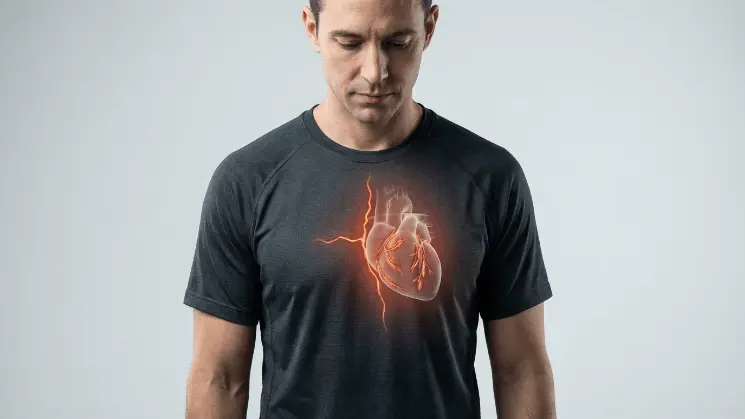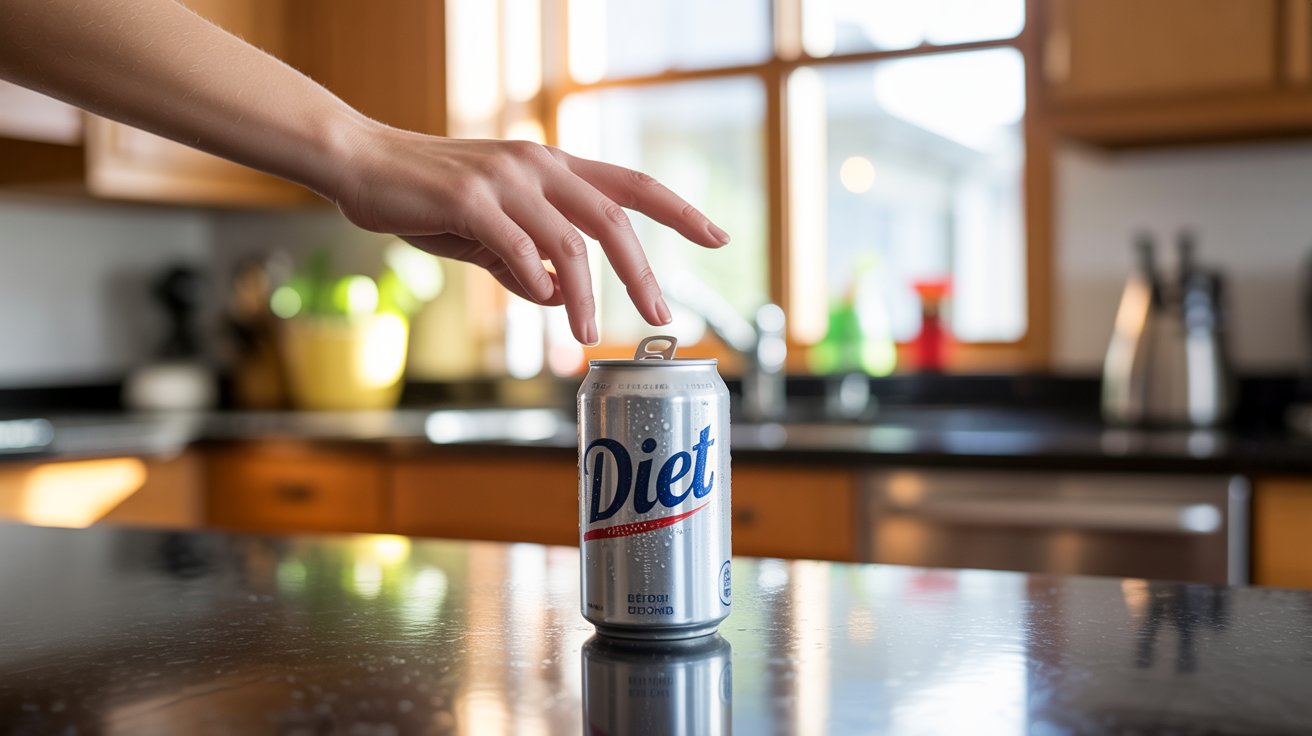
You grab a diet soda, confident you’re making a smart choice by avoiding the sugar and calories of its regular counterpart. It’s a common strategy for millions aiming to manage their weight or blood sugar. But then, a concerning headline flashes across your screen about the diet soda stroke risk, and suddenly that choice feels complicated.
This news can feel both confusing and alarming. Is the beverage you thought was a healthier swap actually posing a hidden threat to your brain? When science seems to contradict itself, it’s easy to feel lost. The purpose here is to explore the findings behind those headlines, understand the potential biological reasons for this link, and provide a clear, evidence-based perspective on what it means for your health.
What the Research Found: A Surprising Connection
Much of the recent discussion was ignited by a study involving thousands of adults from the well-known Framingham Heart Study. Researchers tracked their beverage consumption and health outcomes over many years. The results, published in the prestigious journal Stroke, were striking: individuals who consumed at least one artificially sweetened beverage per day had a significantly higher risk of experiencing a stroke or developing dementia compared to those who consumed none.
This wasn’t a small difference. The study reported that the daily diet drink consumers were nearly three times as likely to have an ischemic stroke (the most common type, caused by a blood clot) and to be diagnosed with dementia.
Naturally, this raises a critical question: how could a drink with no sugar and no calories be linked to such serious conditions? While the study showed a strong association (a pattern), it couldn’t prove causation. However, scientists have several compelling theories that might explain this connection.
More Helpful Reads You Might Like:
The Suspects: What’s Really in Your Diet Soda?
Before diving into the “how,” let’s identify the “what.” To achieve sweetness without sugar, diet drinks rely on high-intensity, zero-calorie sweeteners. The most common ones you’ll find on ingredient labels are:
- Aspartame: One of the most widely used sweeteners, found in countless “diet” and “zero sugar” products.
- Sucralose: A chemically modified form of sugar that the body doesn’t absorb.
- Acesulfame Potassium (Ace-K): Often used in combination with other sweeteners to create a more sugar-like taste.
- Saccharin: One of the oldest artificial sweeteners.
These compounds are the primary suspects when researchers investigate the potential health effects of diet beverages. Now, let’s explore the plausible mechanisms linking them to the study’s findings.
How Could Diet Drinks Affect Your Body and Brain?
Why would these sugar substitutes, designed to be inert, have such an impact? The answers may lie in how our bodies react to “sweetness without calories.” Here are some of the leading hypotheses:
Altering Your Gut Microbiome
Your gut is home to trillions of bacteria, and this microbiome is vital for health. Emerging research suggests that sweeteners like saccharin, sucralose, and aspartame can alter the balance of these gut bacteria. This disruption, known as dysbiosis, may lead to increased inflammation throughout the body. Chronic inflammation is a well-established risk factor for vascular diseases, including the kind of damage to blood vessels that can lead to stroke.
Confusing Your Brain’s Sweetness-Calorie Connection
Your brain has evolved to associate a sweet taste with an influx of energy (calories). When you consume something sweet, your body prepares to process sugar. Artificial sweeteners break this link. You get the intense sweetness of aspartame or sucralose, but no calories arrive. Some scientists theorize that, over time, this repeated “false alarm” could disrupt the body’s ability to regulate appetite and blood sugar. This metabolic dysregulation is a known risk factor for conditions like type 2 diabetes and cardiovascular disease, which in turn are major risk factors for both stroke and dementia.
Potential Impact on Blood Vessels
While the evidence is still developing, some studies suggest that high consumption of certain artificial sweeteners might have a direct negative effect on the health of our blood vessels. This could involve promoting vascular damage or impairing the ability of blood vessels to function properly. Since both stroke and vascular dementia (a common form of dementia) are fundamentally diseases of the blood vessels in the brain, any substance that harms this delicate network is a cause for concern.
The Challenge of “Reverse Causation” and Lifestyle Factors
It’s also crucial to consider a phenomenon called reverse causation. It’s possible that individuals who are already overweight or have conditions like high blood pressure or diabetes are more likely to switch to diet drinks. In this case, the underlying health conditions—not the diet soda itself—are the primary drivers of the increased risk. These drinks become a marker of pre-existing risk, rather than the cause of it. Similarly, a high intake of diet soda might simply be one part of a broader dietary pattern that is low in nutrient-dense foods.
So, Are Diet Drinks Bad for Your Brain Health?
Given the conversation around the diet soda stroke risk, it’s clear that focusing on overall health is key. The strong association found in studies is worth paying attention to, and the potential biological mechanisms suggest that these drinks may not be as neutral as once thought. So, what is the most sensible approach?
Practical Steps for Better Brain Health
- Make Water Your Go-To Drink: The single best thing you can do is make water your primary beverage. To make it more interesting, infuse it with lemon, mint, or berries.
- Find Healthier Swaps for Flavor and Fizz: If you crave carbonation, try sparkling water (seltzer). If you want flavor, unsweetened iced tea or herbal teas are excellent options. Beverages like kombucha can also be a flavorful alternative, but it’s important to read labels carefully. Opt for brands with lower sugar content to get the bubbly satisfaction without a significant sugar load.
- Adopt a Brain-Protective Diet: The strongest evidence for preventing stroke and dementia points to comprehensive dietary patterns. The Mediterranean diet and the DASH diet are two of the most well-researched plans, rich in:
- Fruits and vegetables
- Whole grains
- Lean protein (fish, poultry)
- Healthy fats (olive oil, nuts, seeds, avocado)
- View Diet Drinks as a “Bridge” Beverage, Not a Destination: For someone trying to break a heavy sugar-sweetened soda habit, a diet soda can be a useful temporary tool. However, the ultimate goal should be to transition away from intensely sweet tastes and toward beverages that are inherently healthy.
The Bottom Line: Beyond a Single Drink
While the debate over the direct diet soda stroke risk will continue as more research emerges, the most empowering path forward is not to fixate on a single “bad” food but to cultivate a lifestyle that actively protects your brain and body. The link between daily consumption of artificially sweetened beverages and a higher risk of stroke and dementia is a serious finding. While we don’t have definitive proof of causation, the potential biological pathways involving common sweeteners like aspartame and sucralose are concerning enough to suggest that treating diet soda as a guilt-free health drink is unwise.
By focusing on a diet rich in whole foods and making water your beverage of choice, you are taking the most reliable and evidence-backed steps toward long-term health and vitality.
Frequently Asked Questions (FAQ)
1. So, is it okay to drink one diet soda occasionally?
Yes, for most people, consuming a diet soda on an occasional basis is unlikely to cause harm. The research that shows a potential for negative health effects, like the increased diet soda stroke risk, is primarily associated with daily and long-term consumption. The key principle is moderation. A can of diet soda once in a while is very different from making it a daily habit. The broader goal should be to not rely on any type of soda for regular hydration.
2. Are some artificial sweeteners better or worse than others?
The science is still evolving, and different sweeteners can have different effects on individuals. For example, some studies suggest sweeteners like saccharin and sucralose may have a more pronounced effect on the gut microbiome, while debates around aspartame and brain health have been ongoing for years. Rather than trying to rank them, it’s more productive to reduce your overall intake of all artificial sweeteners and focus on whole-food-based nutrition.
3. If I stop drinking diet soda, will my risk for stroke and dementia decrease?
Quitting a daily diet soda habit is a positive step, especially if you replace it with water or other unsweetened beverages. However, it’s important to see this as part of a larger strategy. Your risk for stroke and dementia is influenced by many factors, including diet, exercise, genetics, and managing conditions like high blood pressure and diabetes. Focusing on a comprehensive healthy lifestyle—such as adopting a Mediterranean-style diet and staying physically active—will have the most significant impact on reducing your long-term risk.
4. What are the best healthier alternatives to soda if I hate plain water?
This is a very common challenge. The goal is to find a replacement you genuinely enjoy. Here are a few excellent options:
- Sparkling Water (Seltzer): It provides the carbonation many people crave. You can find naturally flavored versions (like lemon or berry) with no added sweeteners, or add your own squeeze of fresh fruit.
- Herbal Iced Tea: Brew a large batch of a flavorful herbal tea (like hibiscus, peppermint, or chamomile), let it cool, and keep it in the fridge. It’s refreshing and naturally calorie-free.
- Water Infusions: Add slices of cucumber, mint, ginger, or berries to a pitcher of water. It creates a subtle, refreshing flavor that makes hydration more appealing.
Medical Disclaimer: This content is for educational purposes only and does not replace professional medical advice, diagnosis, or treatment. Always consult your physician or a qualified healthcare provider with any questions about a medical condition.
Sources & Further Reading
- Pase, M. P., et al. (2017). Sugar- and Artificially Sweetened Beverages and the Risks of Incident Stroke and Dementia. Stroke. https://www.ahajournals.org/doi/10.1161/STROKEAHA.116.016027
- American Heart Association (AHA) – “Artificial Sweeteners, Real Risks” Editorial. https://www.ahajournals.org/doi/full/10.1161/STROKEAHA.119.024456
- Mayo Clinic – “Artificial sweeteners and other sugar substitutes.” https://www.mayoclinic.org/healthy-lifestyle/nutrition-and-healthy-eating/in-depth/artificial-sweeteners/art-20046936
- Harvard Health Publishing – “Could artificial sweeteners be bad for your brain?” https://www.health.harvard.edu/blog/could-artificial-sweeteners-be-bad-for-your-brain-2017060711849
- Centers for Disease Control and Prevention (CDC) – “Rethink Your Drink.” https://www.cdc.gov/healthyweight/healthy_eating/rethink-your-drink.html
- Johns Hopkins Medicine – “The Truth About Artificial Sweeteners.” https://www.hopkinsmedicine.org/health/wellness-and-prevention/the-truth-about-artificial-sweeteners