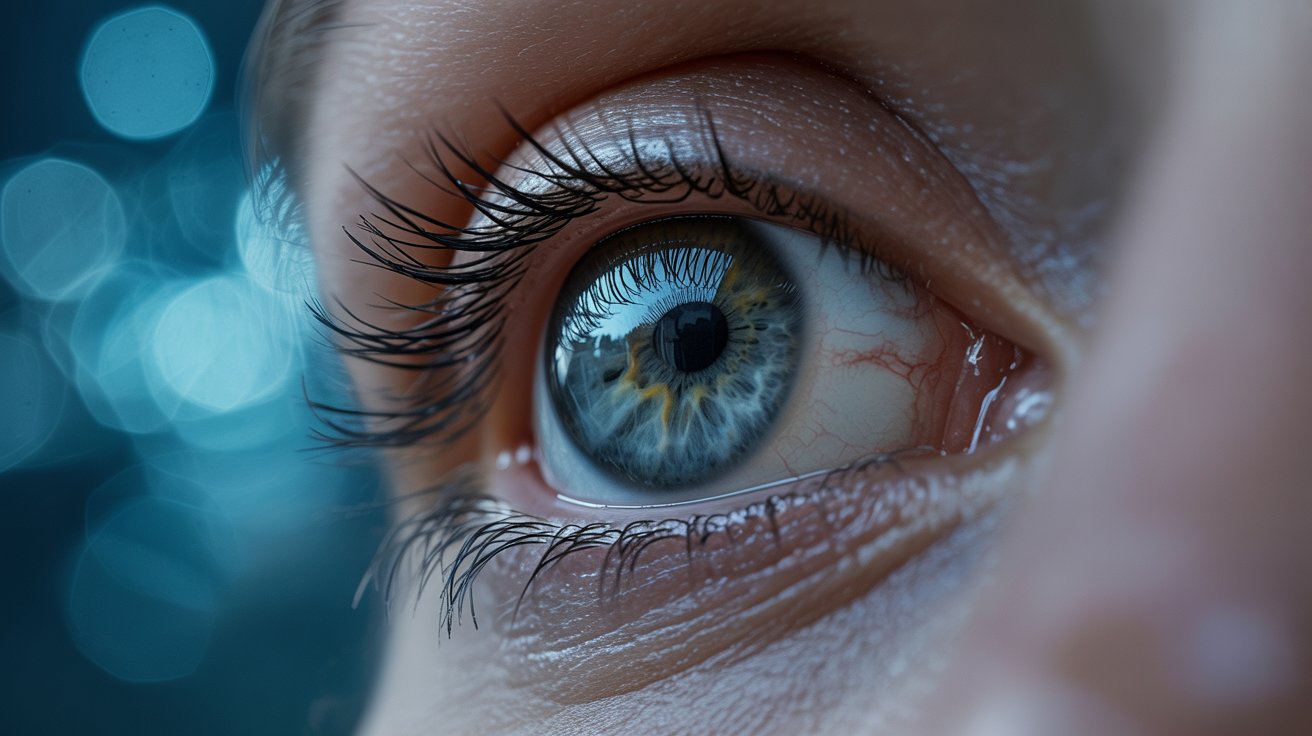
Most of us have experienced that sudden, uncomfortable feeling when our eye starts to ache, sting, or feel irritated. Sometimes it’s just a speck of dust or too much screen time — other times, it’s a sign that something more serious is going on.
Eye pain can be mild and fleeting, or sharp and alarming. Because our eyes are delicate and complex, even small problems can feel very uncomfortable. The good news is that most causes of eye pain are treatable — but knowing when to worry is key.
Let’s explore the most common reasons your eye might hurt, what’s actually happening inside your eye, and when you should see a doctor.
1. Dry Eyes: When Your Tears Stop Protecting You
Tears aren’t just for crying — they form a thin, protective layer over your eyes that keeps them smooth, lubricated, and free from dust.
When your eyes don’t make enough tears (or the tears evaporate too quickly), that protective layer breaks down, leaving your eyes exposed. The surface becomes irritated, triggering burning, stinging, or a gritty “sand-in-the-eye” feeling.
Common causes include:
- Prolonged screen time (you blink less often)
- Aging
- Contact lens wear
- Certain medications (like antihistamines or antidepressants)
- Dry or windy environments
What helps: Artificial tears, using a humidifier, taking screen breaks, and staying hydrated.
Surface eye pain is often linked to dry eyes or to other issues such as a foreign object or an eye infection.
When your eyes don’t produce enough tears—or when tears evaporate too quickly—the surface loses its smooth, protective moisture layer, leading to irritation and discomfort.
2. Something in Your Eye: The Classic “Foreign Body” Sensation
If you’ve ever had an eyelash, speck of dust, or metal particle land in your eye, you know the feeling — sharp pain, tearing, and the urge to rub your eye (don’t!).
Even a tiny object can scratch the cornea, the clear dome covering your eye, leading to irritation or a corneal abrasion.
What helps:
- Rinse your eye gently with clean water or sterile saline
- Avoid rubbing — it can worsen the scratch
- If pain, redness, or light sensitivity persists, see an eye doctor
Corneal abrasions are a well-known cause of sharp eye pain and light sensitivity.
Mayo Clinic also notes that a foreign object or trauma to the eye surface is a frequent source of surface eye pain.
3. Conjunctivitis (Pink Eye): The Inflamed Outer Layer
The conjunctiva is the thin, clear tissue that covers the white of your eye and lines your eyelid. When it becomes inflamed, you get conjunctivitis, often called pink eye.
Causes include:
- Viral infections (like those from colds or flu)
- Bacterial infections
- Allergies (pollen, dust, pet dander)
Symptoms: Redness, burning, discharge, crusting, or itching.
Treatment:
- Viral: Usually clears on its own
- Bacterial: May need antibiotic eye drops
- Allergic: Use antihistamine drops and avoid triggers
Conjunctivitis (along with corneal abrasion and hordeolum) accounts for over half of common eye complaints in primary care settings.
4. Blepharitis: When Eyelid Glands Get Blocked
Along your eyelids are tiny oil glands that keep your eyes moist. When these glands get clogged or infected, they cause blepharitis, an inflammation of the eyelid margins.
Symptoms: Burning, itching, red eyelids, and crusting around the lashes.
Treatment:
- Warm compresses to loosen oil and debris
- Gentle eyelid scrubs with diluted baby shampoo or eyelid wipes
- Antibiotic ointments for stubborn cases
Inflammatory eye conditions including blepharitis are commonly cited among causes of eye pain in ophthalmologic practice.
5. Stye (Hordeolum): The Painful Eyelid Bump
A stye is like a pimple on your eyelid — a small, red bump caused by an infection in an eyelash follicle or oil gland.
Symptoms: Swelling, tenderness, and pain near the eyelid edge.
Treatment:
- Apply warm compresses for 5–10 minutes, several times a day
- Avoid squeezing or popping it
- If it doesn’t improve, see your doctor for possible antibiotics
Styes are a frequent minor cause of eyelid pain and irritation.
6. Sinus Infection: Pain Behind or Around the Eyes
If you’ve ever had a bad cold or sinus infection, you might remember that heavy, aching feeling behind your eyes. The sinuses — air-filled spaces in your skull — sit right around the eyes and nose.
When they become swollen or filled with mucus, they can press on nearby tissues, causing eye pressure or pain.
Other signs: Facial tenderness, nasal congestion, headache, and thick nasal discharge.
Treatment: Nasal decongestants, saline sprays, warm compresses, and (for bacterial sinusitis) antibiotics prescribed by a doctor.
Eye-pressure or pain behind the eyes is commonly associated with sinusitis, migraines, or more serious conditions.
7. Corneal Abrasion: A Scratch You Can Feel
Because the cornea is densely packed with nerve endings, even a tiny scratch can cause intense pain, tearing, and sensitivity to light.
Common causes:
- Rubbing your eyes with debris inside
- Contact lens misuse
- Eye injuries from sports or work
What to do: See a doctor for fluorescein staining (a simple test to detect scratches). You may need antibiotic drops to prevent infection, and avoid contact lenses until healed.
Corneal abrasions are a classic cause of acute eye pain and often heal within a few days when treated properly.
8. Acute Glaucoma: A True Emergency
Most forms of glaucoma develop slowly, but acute angle-closure glaucoma is a medical emergency. It happens when fluid in the eye can’t drain properly, causing a sudden spike in intraocular pressure (IOP).
Symptoms:
- Severe eye pain
- Headache
- Nausea or vomiting
- Blurred vision or halos around lights
- Redness and a hard-feeling eye
Action: Go to the ER immediately. Without quick treatment, glaucoma can lead to permanent vision loss.
9. Optic Neuritis: Pain Inside the Eye
Sometimes eye pain isn’t from the surface, but from deeper structures like the optic nerve — the nerve that sends visual information to your brain.
When this nerve becomes inflamed, it causes optic neuritis, often linked to conditions like multiple sclerosis (MS).
Symptoms:
- Eye pain, especially with movement
- Blurred or dim vision
- Reduced color vision
This requires prompt evaluation by an ophthalmologist or neurologist. Optic neuritis causes pain with eye movement and sometimes temporary vision loss.
10. Headaches That Affect the Eyes: Migraine or Cluster Pain
Not all eye pain starts in the eye. Some types of headaches, especially migraines and cluster headaches, cause pain that radiates around or behind one eye.
Migraines: Throbbing pain, light sensitivity, nausea.
Cluster headaches: Severe, stabbing pain around one eye, often with tearing or nasal congestion.
The American Academy of Ophthalmology notes that migraine is one of the most common headache disorders that cause ocular pain.
When to See a Doctor
Seek medical attention if you have:
- Sudden, severe eye pain
- Vision loss or blurring
- Sensitivity to light (photophobia)
- Nausea or vomiting with eye pain
- Eye pain after injury or chemical exposure
- Pain that doesn’t improve after 24 hours
- Halos around lights, swelling, or trouble moving the eye
Protecting Your Eyes Every Day
You can lower your risk of eye pain and irritation by:
- Taking regular breaks from screens (e.g. the 20-20-20 rule)
- Wearing sunglasses outdoors
- Using safety goggles for work or sports
- Keeping contact lenses clean and following replacement schedules
- Staying hydrated and using artificial tears if needed
The Bottom Line
Most eye pain isn’t dangerous — but sometimes it’s your body’s early warning system. Whether it’s dryness, a scratch, or something more serious, paying attention to your symptoms can protect your sight.
When in doubt, let a professional take a look. You only get one pair of eyes — treat them with care. 👁️💙