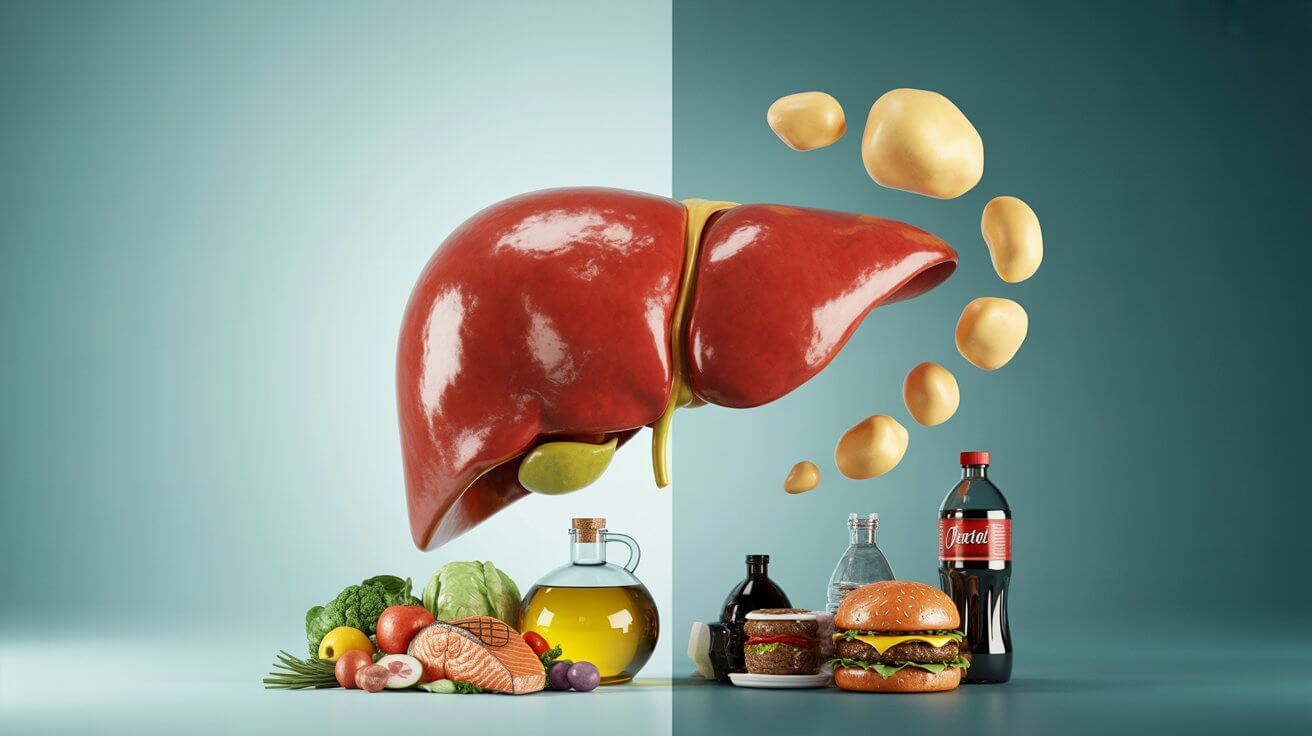
Many people discover a fatty liver by accident—maybe during an ultrasound for stomach discomfort, or through routine bloodwork. It can be surprising to learn that the liver has been quietly storing excess fat for years. For others, fatigue, brain fog, or vague abdominal heaviness start to feel familiar, yet not alarming enough to investigate. Because fatty liver often develops in silence, it’s easy to overlook until it becomes more serious.
Understanding what fatty liver truly means—and the practical steps that can help improve it—can make an enormous difference in long-term health.
What Is Fatty Liver and Why It Happens
Fatty liver refers to a higher-than-normal amount of fat stored in liver cells. Some fat in the liver is normal; problems arise when fat makes up more than about 5–10% of the liver’s weight. This buildup may occur for many reasons, and the process usually happens slowly.
How the Liver Stores Fat
The liver plays a major role in managing energy, blood sugar, and cholesterol. When the body receives more calories—especially from sugary drinks, refined grains, or alcohol—than it can use, the liver may store the excess as fat. Over time, this can lead to fatty liver.
This condition is common among individuals with higher body weight, type 2 diabetes, high cholesterol, or metabolic syndrome. The term nonalcoholic fatty liver disease is used when alcohol is not the primary cause.
Common Causes of Fatty Liver in Adults
- Regular intake of sugary beverages like soda or sweetened coffee
- Diets high in refined carbohydrates
- Sedentary lifestyle
- Genetics and family history
- Alcohol use (which can independently contribute to fatty liver)
- Certain medications or medical conditions
Not everyone exposed to these factors develops fatty liver, but they increase risk significantly.
More Helpful Reads You Might Like:
Early Fatty Liver Symptoms Many People Miss
Fatty liver is sometimes called a “silent condition,” because many people feel entirely well for years. Still, certain symptoms may appear gradually.
Subtle Body Signals
Some individuals describe:
- Low energy
- Mild abdominal fullness, especially on the right side
- Difficulty concentrating
- Unexpected weight gain around the midsection
These changes are easy to attribute to busy schedules, aging, or lack of sleep.
When Symptoms Become Harder to Ignore
As fatty liver progresses, more noticeable symptoms may appear:
- Persistent fatigue
- Ongoing abdominal discomfort
- Slight swelling in the legs or abdomen
- Elevated liver enzymes on blood tests
Although these symptoms can stem from many health issues, they’re worth evaluating—especially when fatty liver risk is present.
Health Risks If Fatty Liver Progresses
Fatty liver itself may not cause immediate harm, but if inflammation develops, the situation can change.
Inflammation and Scarring
When fat irritates the liver, it may trigger inflammation called steatohepatitis. Over time, inflammation can lead to scar tissue, known as fibrosis. In advanced cases, scarring becomes severe and results in cirrhosis, which can affect liver function.
Not everyone with fatty liver reaches this stage. Many cases remain stable or improve with lifestyle changes. Still, understanding this progression helps highlight the importance of early attention.
When to Seek Medical Care
Medical guidance is often recommended when:
- Liver enzymes remain elevated
- Imaging shows signs of inflammation or scarring
- Symptoms such as abdominal swelling or severe fatigue appear
- There is a personal or family history of liver disease
A healthcare professional may order blood tests, imaging, or sometimes a liver biopsy to understand the degree of inflammation or fibrosis.
How to Reverse Fatty Liver Naturally
The encouraging news: fatty liver is one of the most reversible liver conditions, especially when changes are made early. Many people see improvement within months through practical, sustainable habits.
Nutrition That Supports the Liver
A fatty liver diet focuses on simple, nutritious foods:
Foods that may help:
- Vegetables (leafy greens, broccoli, cauliflower)
- Fruits with natural fiber
- Whole grains like oats, quinoa, whole wheat
- Lean proteins including fish, chicken, and legumes
- Healthy fats from nuts, seeds, olive oil, and avocados
Foods to limit:
- Sugary drinks
- White bread, pastries, and refined grains
- Fried foods
- Large portions of red or processed meats
Some people find the Mediterranean-style eating pattern particularly supportive for liver health. It emphasizes whole foods and minimizes added sugars—two key strategies for reducing liver fat.
Physical Activity and Sustainable Habits
Regular movement helps the body use stored energy and reduces fat buildup in the liver. Even without weight loss, physical activity may improve liver health.
Helpful forms of activity include:
- Brisk walking
- Strength training
- Cycling or swimming
- Household or yardwork that keeps the body moving
A good starting point is 150 minutes of moderate activity per week, guided by individual ability and medical conditions.
Alcohol, Medications, and Liver-Safe Choices
Even small amounts of alcohol may worsen fatty liver in some individuals. Discussing alcohol intake with a healthcare provider is often beneficial.
Certain medications or supplements can affect the liver. A clinician can review a current list and determine whether adjustments are needed.
When Medical Treatments Are Needed
Lifestyle changes remain the foundation of fatty liver care. For individuals with inflammation or fibrosis, specialists may also recommend:
- Treatment of diabetes or cholesterol
- Weight-management plans
- Medication targeted to underlying metabolic issues
Regular follow-up helps monitor progress and prevent further liver damage.
The Bottom Line on Fatty Liver Health
A fatty liver may feel invisible at first, but it carries real significance for long-term health. The condition develops quietly, yet responds well to timely changes. Even small, consistent steps—more movement, fewer sugary drinks, more whole foods—can help reduce fat in the liver and improve overall well-being.
With guidance from a healthcare professional and an understanding of how fatty liver progresses, many people regain control of their liver health and feel better along the way.
Medical Disclaimer: This content is for educational purposes only and does not replace professional medical advice, diagnosis, or treatment. Always consult your physician or a qualified healthcare provider with any questions about a medical condition.