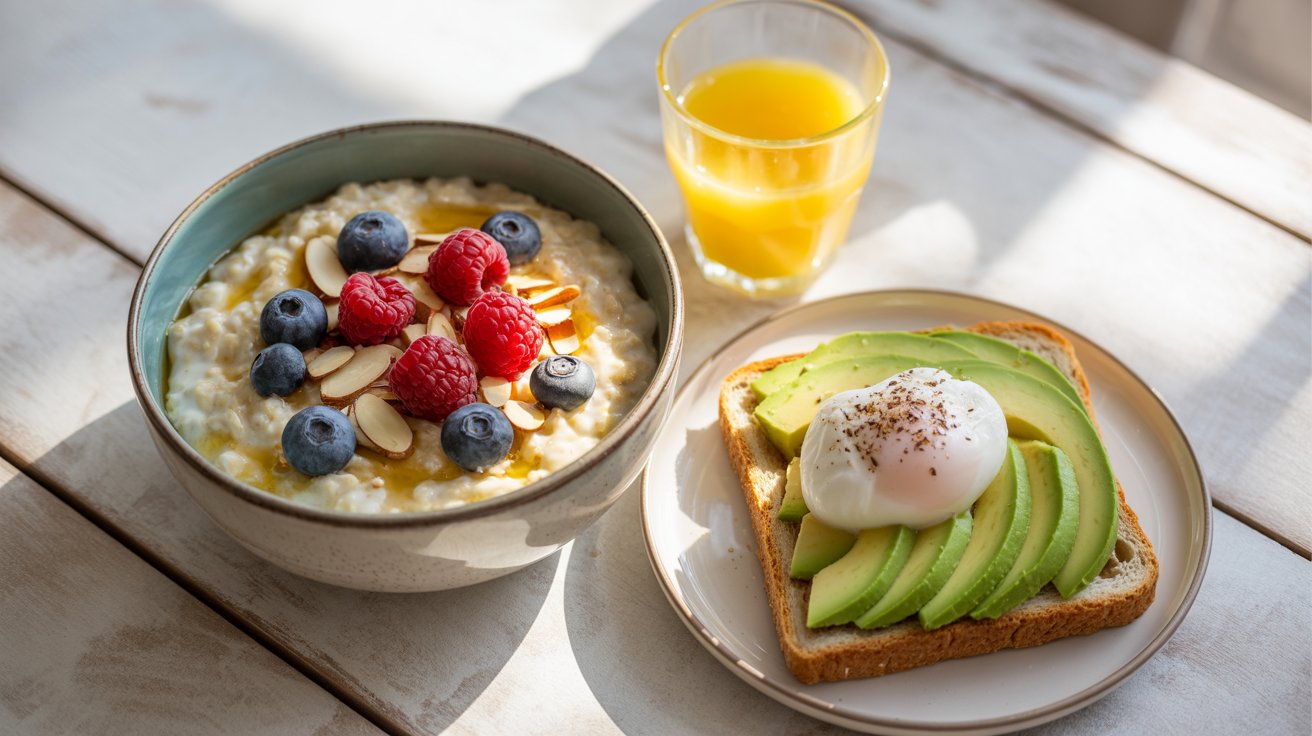
The alarm blares, and another busy morning begins. Between getting ready for work, preparing the kids for school, and checking the first emails of the day, breakfast often becomes an afterthought. For many, it’s a sugary cereal bar on the way out the door, a quick pastry from the local coffee shop, or worse, nothing at all. These choices, while convenient, can have a significant impact on overall health and well-being. But what if a few small changes to your morning routine could set you up for a healthier, more energetic day? Understanding what constitutes the healthiest breakfast is the first step toward transforming your morning and your health.
More Helpful Reads You Might Like:
The Science Behind a Healthy Breakfast
Breakfast, as the name suggests, is the meal that “breaks” the overnight fast. After a long period without food, the body needs to refuel to kickstart its metabolism and replenish energy levels. Scientific research consistently shows that a well-balanced breakfast provides essential nutrients that contribute to better health outcomes. The International Breakfast Research Initiative, a collaborative project involving scientists from Europe and North America, has highlighted the profound impact of this first meal on daily nutrition. Their findings, published in the journal Nutrients, reveal that individuals who eat breakfast tend to have lower daily intakes of added sugar and higher levels of important nutrients like fiber, folate, iron, and vitamins A and C [1].
A key aspect of a healthy breakfast is its effect on blood sugar levels. Foods with a high glycemic load, such as sugary cereals and pastries, cause a rapid spike in blood sugar, followed by a crash that can leave one feeling tired and hungry long before lunchtime. In contrast, a breakfast with a low glycemic load provides a steady release of energy, promoting sustained cognitive performance and satiety. The Harvard T.H. Chan School of Public Health recommends choosing breakfast foods with a low glycemic load, which includes most fruits, vegetables, whole grains, and lean proteins [2].
The Risks of an Unhealthy Breakfast or Skipping It Altogether
Regularly skipping breakfast or opting for unhealthy choices can have long-term consequences. Studies have linked skipping breakfast to a higher risk of developing type 2 diabetes and cardiovascular disease. A prospective study of US male health professionals found that men who regularly skipped breakfast had a higher incidence of cardiovascular disease [1]. This is often because skipping breakfast can lead to overeating later in the day and can disrupt the body’s natural metabolic rhythms.
Furthermore, individuals who skip breakfast are more likely to miss out on essential nutrients. The American Heart Association emphasizes that breakfast is an excellent opportunity to consume heart-healthy foods rich in fiber, vitamins, and minerals [3]. Without this morning meal, it can be challenging to meet the body’s daily nutritional needs, potentially leading to deficiencies over time.
Building the Perfect Breakfast: A Doctor’s Recommendations
A healthy breakfast should be a balanced combination of macronutrients: complex carbohydrates, lean protein, and healthy fats. This combination provides sustained energy, promotes satiety, and supports overall health. Here is a breakdown of the ideal macronutrient distribution for a healthy breakfast [4]:
| Macronutrient | Recommended Percentage of Total Calories |
| Protein | 10-35% |
| Carbohydrates | 45-65% |
| Fats | 20-35% |
Complex Carbohydrates: Whole grains are an excellent source of complex carbohydrates and fiber, which aid in digestion and help maintain stable blood sugar levels. The Mayo Clinic recommends including whole-grain breads, cereals, or oatmeal in your breakfast [5]. When choosing grain products, look for a carb-to-fiber ratio of 10:1, meaning for every 10 grams of carbohydrates, there should be at least one gram of fiber [6].
Lean Protein: Protein is crucial for building and repairing tissues and for keeping you feeling full and satisfied. Excellent sources of lean protein for breakfast include eggs, Greek yogurt, and nuts. A study in 2020 found that a high-protein breakfast of eggs and toast led to greater feelings of fullness and reduced calorie intake at lunch compared to a low-protein breakfast of bran cereal [7].
Healthy Fats: Healthy fats, such as those found in avocados, nuts, and seeds, are essential for brain health and can help you feel full longer. The Cleveland Clinic suggests incorporating a mix of protein, fiber, and unsaturated fats into your breakfast for a heart-healthy start to the day [8].
Healthy Breakfast Ideas for a Busy Lifestyle
Preparing a healthy breakfast doesn’t have to be time-consuming. Here are some quick and easy ideas recommended by leading health institutions:
- Overnight Oats: Combine rolled oats with milk or yogurt, chia seeds, and your favorite fruits in a jar and leave it in the refrigerator overnight. In the morning, you’ll have a delicious and nutritious breakfast ready to go.
- Greek Yogurt Parfait: Layer Greek yogurt with berries and a sprinkle of nuts or whole-grain granola for a protein-packed and antioxidant-rich meal.
- Avocado Toast with Egg: Top a slice of whole-grain toast with mashed avocado and a hard-boiled or poached egg for a balanced breakfast of complex carbs, healthy fats, and protein.
- Smoothies: Blend frozen fruits, a handful of spinach, a scoop of protein powder, and a liquid base like milk or water for a quick and nutrient-dense breakfast you can drink on the go.
A Journey to a Healthier Morning
Transforming your breakfast habits is a journey, not a race. It’s about making small, sustainable changes that fit into your lifestyle. Don’t feel pressured to eat first thing in the morning if you’re not hungry. The old myth about “revving up your metabolism” with an early breakfast has been largely debunked [2]. Instead, listen to your body and break your fast when it feels right for you.
By choosing nutrient-dense foods and planning ahead, you can turn your morning meal into a powerful tool for better health. A well-balanced breakfast can improve your energy levels, enhance your cognitive function, and reduce your risk of chronic diseases. Start with one or two of the ideas above, and see how the healthiest breakfast can transform your day. Your body will thank you for it.
Medical Disclaimer: This content is for educational purposes only and does not replace professional medical advice, diagnosis, or treatment. Always consult your physician or a qualified healthcare provider with any questions about a medical condition.
Frequently Asked Questions (FAQ)
1. Is it really that bad to skip breakfast?
While some people practice intermittent fasting and skip breakfast for health reasons, regularly skipping breakfast without a structured eating plan can lead to nutritional gaps. Research shows that breakfast skippers often miss out on key nutrients like fiber, calcium, and vitamin C. Furthermore, some studies have associated skipping breakfast with a higher risk of heart disease and type 2 diabetes. It’s important to listen to your body, but ensuring you get a balanced meal to start your day is generally recommended.
2. What are some quick and healthy breakfast options for weight loss?
A breakfast that is high in protein and fiber is ideal for weight management as it helps you stay full and satisfied, reducing the likelihood of overeating later. Some great options include a smoothie with protein powder and spinach, Greek yogurt with berries, or a couple of hard-boiled eggs with a piece of fruit. These meals are not only quick to prepare but also provide the sustained energy needed to power through your morning.
3. Are breakfast cereals a healthy option?
It depends entirely on the cereal. Many breakfast cereals are high in sugar and refined carbohydrates, making them a less-than-ideal choice. However, whole-grain, high-fiber cereals with low sugar content can be part of a healthy breakfast. Always check the nutrition label. Look for cereals with at least 5 grams of fiber and less than 10 grams of sugar per serving. Adding protein like nuts or seeds can make it a more balanced meal.
4. How much protein should I eat for breakfast?
Aiming for 15-30 grams of protein at breakfast is a great target for most adults. This amount has been shown to promote satiety and help maintain muscle mass. You can achieve this with two or three eggs, a container of Greek yogurt, or a scoop of protein powder in a smoothie. Combining protein with fiber and healthy fats will create a truly balanced and healthy breakfast.
Sources & Further Reading
1.Gibney, M. J., Barr, S. I., Bellisle, F., Drewnowski, A., Fagt, S., Livingstone, B., … & Thielecke, F. (2018). Breakfast in Human Nutrition: The International Breakfast Research Initiative. Nutrients, 10(5), 559. https://www.ncbi.nlm.nih.gov/pmc/articles/PMC5986439/
2.Tello, M. (2018). What’s a healthy breakfast? Harvard Health Blog. https://www.health.harvard.edu/blog/whats-a-healthy-breakfast-2018091314705
3.American Heart Association. (2024). How to Make Breakfast a Healthy Habit. https://www.heart.org/en/healthy-living/healthy-eating/eat-smart/nutrition-basics/how-to-make-breakfast-a-healthy-habit
4.Tamashi. (n.d.). The foundations of a healthy breakfast. Goodmorning. https://tamashi.eu/en/the-foundations-of-a-healthy-breakfast/
5.Mayo Clinic. (n.d.). Start your day right. Mayo Clinic Connect. https://connect.mayoclinic.org/blog/take-charge-healthy-aging/newsfeed-post/start-your-day-right/
6.Galan, N. (2013). The trick to recognizing a good whole grain: Use carb-to-fiber ratio of 10-to-1. Harvard Health Blog. https://www.health.harvard.edu/blog/the-trick-to-recognizing-a-good-whole-grain-use-carb-to-fiber-ratio-of-10-to-1-201301145794
7.Fernando, I. (2024). The 12 Best Foods to Eat in the Morning. Healthline. https://www.healthline.com/nutrition/12-best-foods-to-eat-in-morning
8.Cleveland Clinic. (2020). 5 On-the-Go Hearty, Heart-Healthy Breakfast Ideas. Health Essentials. https://health.clevelandclinic.org/5-on-the-go-hearty-heart-healthy-breakfast-ideas