Heart palpitations can feel unsettling—especially when you’re unsure when to worry and when your heartbeat changes are simply harmless. That sudden flutter, thump, or skipped beat can stop you in your tracks and make your mind instantly jump to the worst-case scenario. Yet many palpitations come from everyday triggers like stress, dehydration, or caffeine. Knowing the difference between benign shifts and warning signs can help you stay calm and speak up when it matters.
What Heart Palpitations Really Feel Like
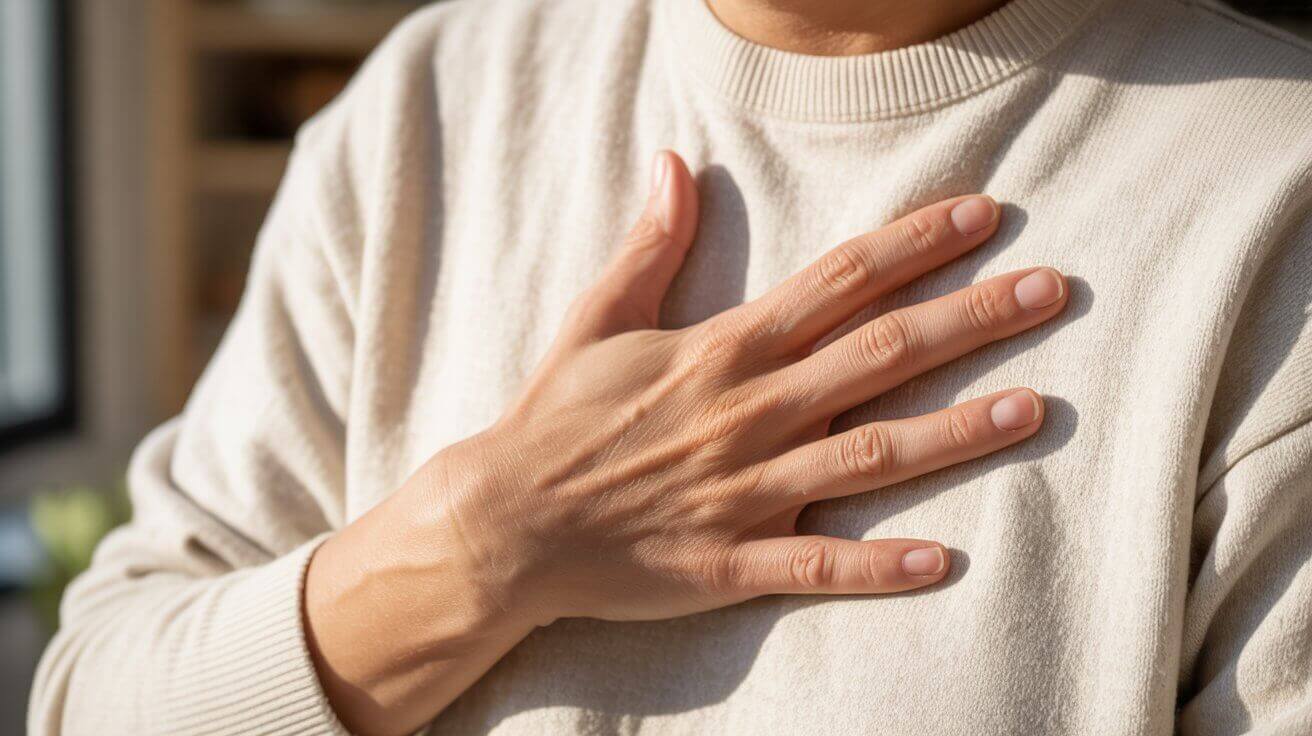
Heart palpitations are sensations that make your heartbeat feel different from normal. People often describe them as:
- Fluttering
- A sudden “kick” or jolt
- A pause followed by a strong beat
- A racing heartbeat
These sensations may last seconds or minutes and can happen at rest, during stress, or after stimulants like caffeine. While intense, palpitations are a symptom, not a diagnosis—context matters far more than the sensation itself.
More Helpful Reads You Might Like:
Common Triggers and Causes of Heart Palpitations
Everyday Lifestyle Triggers
Many heart palpitations stem from temporary, harmless shifts in the body’s stress or stimulation levels. Common triggers include:
- Caffeine or energy drinks
- Alcohol (especially in larger amounts)
- Dehydration
- Lack of sleep
- Stress or anxiety
- Tobacco or vaping
- Over-the-counter cold medicines
- Intense exercise
- Sudden posture changes
These triggers often cause short-lived rhythm changes that resolve on their own.
Medical Conditions That May Play a Role
Certain health conditions can also contribute to palpitations:
- Thyroid disorders
- Fever
- Low blood sugar
- Anemia
- Electrolyte imbalances
- Heart rhythm conditions (arrhythmias)
- Pregnancy
- Lung issues, such as asthma exacerbations
Some rhythm changes—like PACs (premature atrial contractions) or PVCs (premature ventricular contractions)—are common and often benign. Others, such as atrial fibrillation or supraventricular tachycardia, may require treatment. The presence of palpitations alone doesn’t determine severity.
When to Worry About Heart Palpitations
Most palpitations fall on the harmless end of the spectrum. Still, some symptoms are important warning signs.
Red Flag Symptoms That Need Urgent Attention
Seek prompt medical evaluation if palpitations occur with:
- Chest pain or pressure
- Fainting or near-fainting
- Severe shortness of breath
- A known heart condition
- A rapid heartbeat that doesn’t slow down
- Palpitations during physical exertion
- New or worsening dizziness
These may signal that the heart rhythm is affecting blood flow or causing cardiovascular stress.
When Palpitations Are Usually Harmless
Palpitations are often less concerning when they:
- Last only a few seconds
- Occur at rest after caffeine or stress
- Improve with hydration
- Follow skipped meals or lack of sleep
- Appear during periods of anxiety
Patterns associated with lifestyle factors often point to a non-cardiac cause, especially in healthy individuals.
How Doctors Evaluate Heart Palpitations
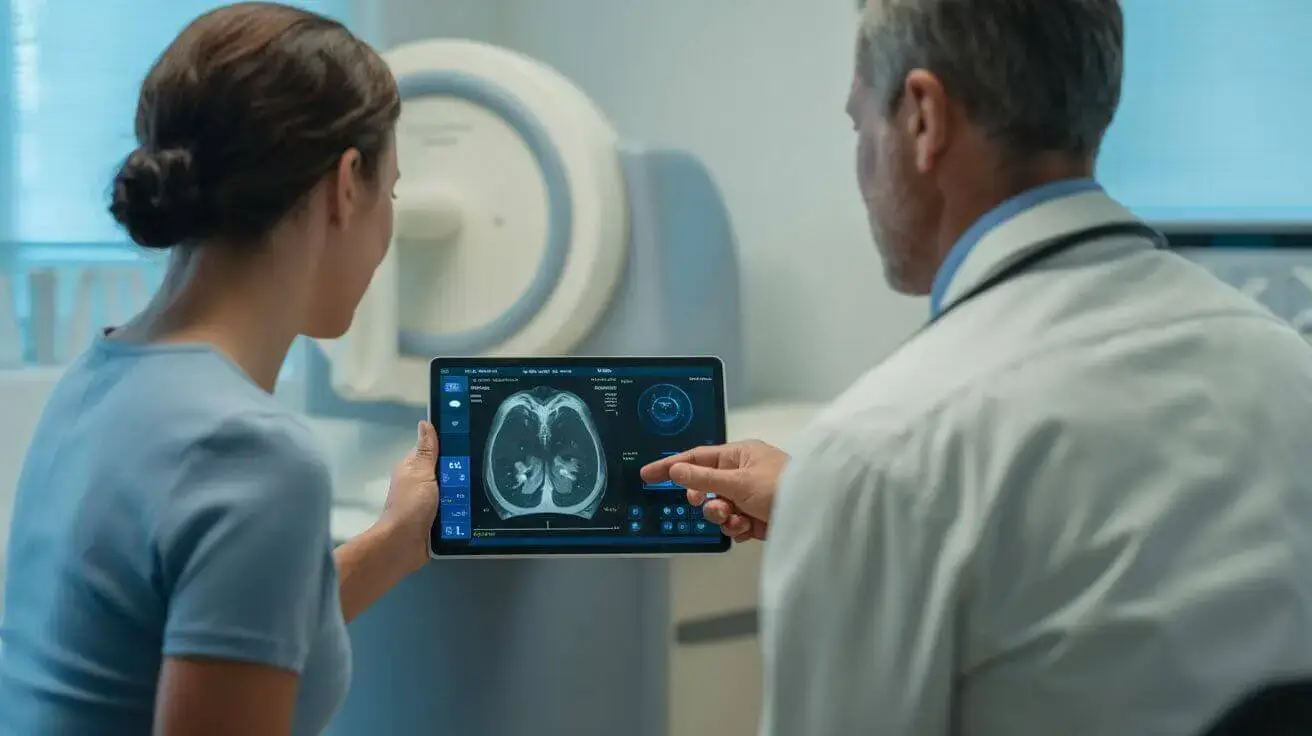
A medical visit typically begins with a conversation about how the palpitations feel, how long they last, and what triggers them.
Common Tests
To better understand the cause, a clinician may order:
- Electrocardiogram (ECG) – captures heart rhythm in real time
- Holter monitor – 24–48 hour continuous monitoring
- Patch or event monitor – for longer-term symptom tracking
- Blood tests – to check thyroid function, electrolytes, and anemia
- Echocardiogram – evaluates heart structure and function
These tools help differentiate harmless rhythm changes from those needing treatment.
What Test Results Often Show
In many cases, testing reveals:
- PACs or PVCs – extra heartbeats that most people experience at some point
- Normal heart structure – a reassuring sign that palpitations are benign
In other cases, results may show:
- Atrial fibrillation
- Supraventricular tachycardia (SVT)
- Other arrhythmias
These conditions are treatable with medication, lifestyle adjustments, or procedures like ablation.
How to Stop Heart Palpitations and Prevent Them
Many people want to know how to calm palpitations in the moment and reduce how often they occur.
Simple Strategies You Can Try at Home
These steps often help:
- Slow, deep breathing
- Drinking water (especially if dehydrated)
- Avoiding sudden posture changes
- Limiting coffee, alcohol, and energy drinks
- Eating regular meals to stabilize blood sugar
- Establishing a consistent sleep routine
- Light daily activity, like walking
- Keeping a symptom log to identify triggers
For stress-related palpitations, techniques like mindfulness, guided imagery, or progressive muscle relaxation may reduce frequency over time.
When Treatment May Be Needed
Treatment depends on the cause:
- Medication for certain arrhythmias
- Thyroid or anemia treatment if those conditions are contributing
- Ablation procedures for rhythm disorders not improving with lifestyle changes
The goal is always to treat the underlying cause, not just the sensation.
Final Thoughts
Heart palpitations can feel alarming, but many are linked to temporary lifestyle factors like stress, caffeine, or dehydration. Understanding common triggers and recognizing red flags helps you know when to relax and when to get care. When in doubt, a conversation with a healthcare professional can offer clarity and reassurance.
FAQs About Heart Palpitations
Are heart palpitations dangerous?
Most palpitations are harmless, but those paired with chest pain, fainting, or severe shortness of breath warrant medical evaluation.
What causes heart palpitations at night?
Common causes include stress, dehydration, changes in breathing, acid reflux, or stimulants earlier in the day.
How do I stop heart palpitations quickly?
Try deep breathing, sipping water, changing positions slowly, or using relaxation techniques if stress is a factor.
Can dehydration cause heart palpitations?
Yes. Low fluid levels can affect electrolyte balance and trigger palpitations.
When should I see a doctor for palpitations?
If they are frequent, persistent, worsening, or associated with red-flag symptoms.
What’s the difference between PACs and PVCs?
PACs originate in the atria, while PVCs start in the ventricles. Both can be benign in healthy hearts.
Medical Disclaimer: This content is for educational purposes only and does not replace professional medical advice, diagnosis, or treatment. Always consult your physician or a qualified healthcare provider with any questions about a medical condition.