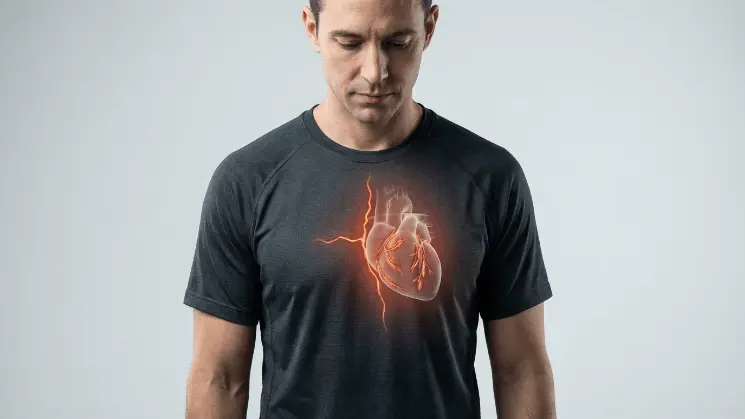
It often starts with a sudden, sharp pain in your side or back, a pain so intense it can bring you to your knees. For many, this alarming experience is their first introduction to a kidney stone. After a grueling trip to the emergency room and hours of discomfort, the immediate crisis passes. The focus is, understandably, on getting through the pain. Once the stone is passed or treated, a sense of relief washes over, and the natural impulse is to move on and forget the ordeal.
But what if that painful episode wasn’t just a random event, but a clear sign that it’s time to focus on kidney stone prevention? What if it was a warning?
Many individuals who experience a kidney stone treat it as a one-time problem. They manage the acute phase and hope it never happens again. However, statistics show that having one kidney stone significantly increases the likelihood of forming another. This cycle of recurring stones, pain, and emergency visits can take a toll on one’s quality of life, work, and overall well-being. The crucial piece of the puzzle that is often missed is this: in many cases, the underlying cause of why you formed a stone in the first place can be identified and managed.
Moving beyond the crisis to understand the “why” is the key to breaking the cycle.
More Helpful Reads You Might Like:
What Are Kidney Stones, Really? A Simple Guide
Imagine your kidneys as highly efficient filters for your blood. They remove waste products and excess fluid, which then become urine. Urine contains various dissolved minerals and salts. When your urine has a high concentration of these substances—like calcium, oxalate, and uric acid—and not enough liquid to dilute them, crystals can begin to form.
Over time, these crystals can bind together, creating a solid mass we call a kidney stone. Think of it like making rock candy; if you have too much sugar in the water, crystals will form. A similar process can happen inside your kidneys. These stones can be as small as a grain of sand or, in some cases, as large as a golf ball. While small stones may pass through the urinary tract unnoticed, larger ones can become lodged, causing a blockage and the severe pain associated with a kidney stone attack.
Why Investigating What Causes Kidney Stones Matters
Treating the pain of a kidney stone is absolutely essential, but it’s only the first step. Without understanding why the stone formed, you are navigating without a map. A proactive approach to kidney stone prevention is the only way to chart a safer course. The recurrence rate for kidney stones can be as high as 50% within five years for some individuals. Proactively investigating the cause offers several powerful benefits:
Personalized Prevention Strategies
Identifying the specific type of stone you form allows for a targeted prevention strategy. A plan for someone with calcium oxalate stones will be different from a plan for someone with uric acid stones.
Protecting Your Long-Term Kidney Health
Over time, recurrent stones and blockages can potentially damage the kidneys. Prevention is a key part of long-term kidney health. In some instances, kidney stones can be a symptom of another health issue, such as a metabolic disorder, urinary tract abnormalities, or even certain genetic conditions. A thorough evaluation can uncover these problems.
The Investigation: How Doctors Find the “Why”
If you’ve had a kidney stone, especially more than one, your healthcare provider may recommend a “metabolic evaluation.” This sounds complex, but it’s a straightforward process designed to create a personalized kidney stone prevention plan based on your unique body chemistry. Here’s what it typically involves:
Stone Analysis: The First Clue
If you can, it is incredibly helpful to catch the stone you pass using a strainer. Analyzing its chemical makeup is the most direct way to know what kind of stone it is and what’s causing it. The most common types are calcium oxalate, calcium phosphate, uric acid, and struvite.
The 24-Hour Urine Collection for Kidney Stones
This is the cornerstone of the evaluation. You will be asked to collect all the urine you produce over a full 24-hour period. It might seem inconvenient, but the information it provides is invaluable. The lab will measure urine volume, levels of minerals (calcium, oxalate, uric acid), pH level, and citrate levels.
Supporting Blood Tests
Simple blood tests can check for high levels of calcium or uric acid in your blood and assess how well your kidneys are functioning.
Your Kidney Stone Prevention Toolkit: Practical Steps
Once the evaluation is complete, a personalized prevention plan can be created. While specific advice depends on your stone type, some universal strategies are beneficial for almost everyone.
The Importance of Hydration
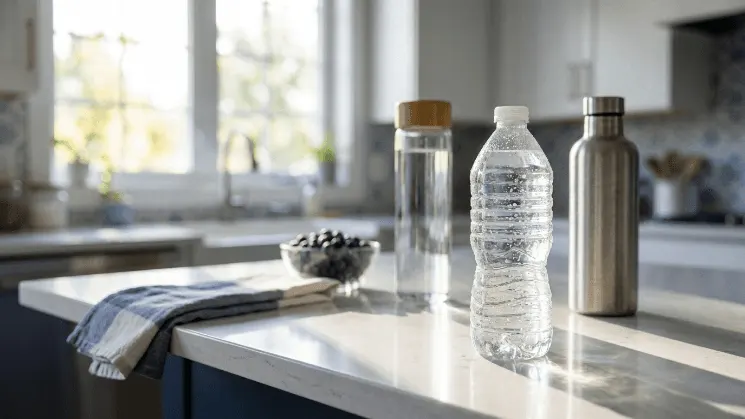
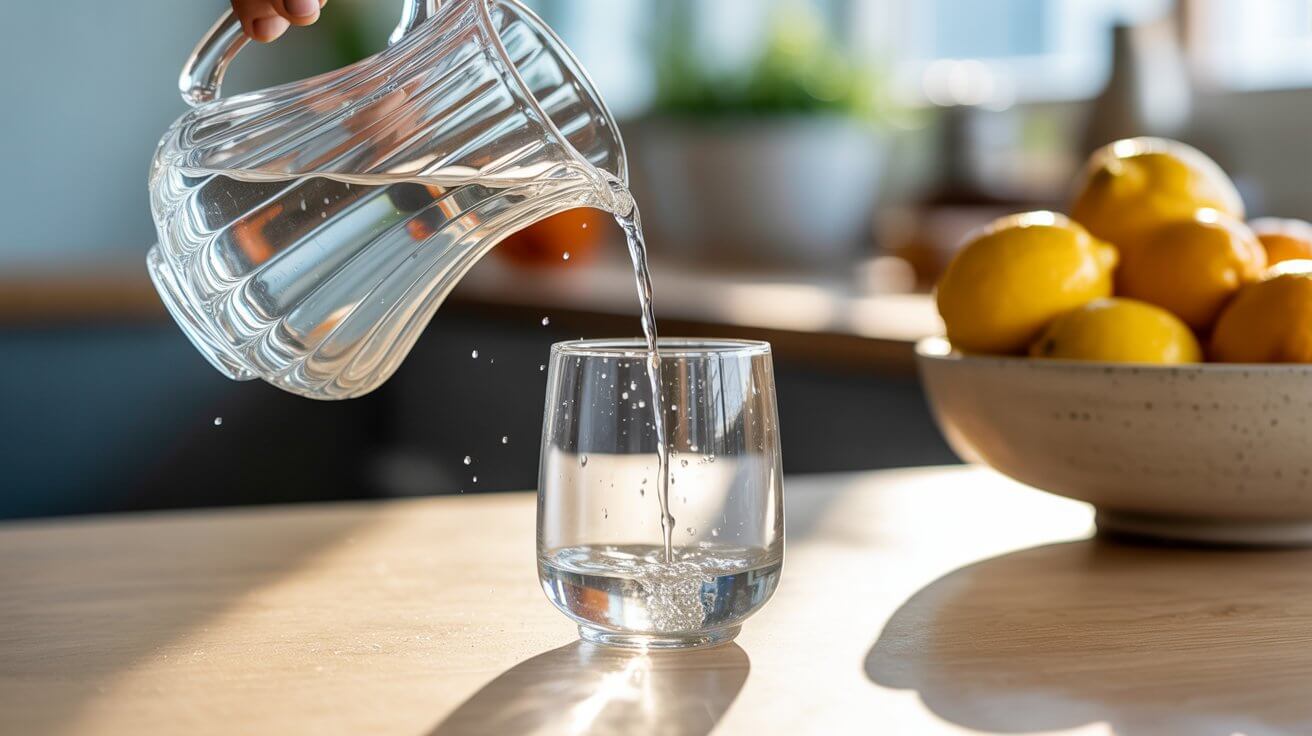
This is the single most important step. Aim to drink enough fluid to produce at least 2.5 liters of urine per day. For most people, this means drinking around 3 liters (about 100 ounces) of fluid. Water is best, but citrus drinks like lemonade can also be helpful due to their citrate content.
The Right Kidney Stone Diet for You
- For Calcium Oxalate Stones: You may be advised to limit high-oxalate foods (spinach, nuts, beets). Importantly, pairing calcium-rich foods with oxalate-rich foods during a meal can help reduce stone risk.
- For Uric Acid Stones: Reducing intake of red meat, organ meats, and shellfish can be effective.
- General Sodium Reduction: A high-sodium diet can increase calcium in your urine. Cutting back on processed foods is a great start.
Medication When Necessary
For some individuals, diet and lifestyle changes are not enough. In these cases, your doctor might prescribe medication like thiazide diuretics (to reduce calcium in urine) or potassium citrate (to raise urine citrate).
A Future with Fewer Worries
Experiencing a kidney stone is a powerful motivator for change. While the memory of the pain may fade, the knowledge that you can take control of your health should not. By working with your healthcare provider to investigate the root cause, you shift from a reactive position of just treating crises to a proactive one of preventing them.
It’s a journey from simply enduring a problem to actively solving it. This path not only protects your kidneys and spares you from future pain but also empowers you with the tools for effective, long-term kidney stone prevention. The next time you think about that painful episode, let it be a reminder not of the suffering, but of the moment you decided to find the “why” and break the cycle for good.
Frequently Asked Questions (FAQ)
Here are answers to some common questions that arise when thinking about kidney stone prevention.
1. Do I really need to follow a special diet forever?
Not necessarily “forever,” but it’s more about adopting sustainable healthy habits. The goal of a “kidney stone diet” isn’t to be restrictive but to be mindful. For many, the most critical change is consistently drinking more water. It’s best to view these as long-term modifications to your eating patterns rather than a strict, temporary diet.
2. If I drink lemonade, will that be enough to prevent stones?
While lemonade can be helpful, it’s not a magic bullet. The benefit comes from citrate, but the single most important factor is overall fluid volume. Drinking enough water is the cornerstone of kidney stone prevention. Think of citrus drinks as a helpful supplement, not a primary solution.
3. My doctor never mentioned a “24-hour urine collection.” Should I ask for one?
This test is typically for “high-risk” individuals (e.g., those with recurrent stones). If you’ve had only one uncomplicated stone, your doctor might suggest starting with hydration first. However, if you have another stone or are concerned, it is perfectly appropriate to ask your provider if a metabolic evaluation would be a good next step for you.
4. I was told to avoid calcium, but the article says that’s a misconception. What’s correct?
Modern research shows that for most people, avoiding dietary calcium is not helpful. Dietary calcium binds to oxalate in your intestines, which lowers your risk of forming calcium oxalate stones. The key is to consume a normal amount of calcium with your meals. The issue is often high sodium intake or taking calcium supplements on an empty stomach, not dietary calcium itself.
Sources & Further Reading
This article is based on evidence-based guidelines and information from leading medical institutions. For those interested in a deeper look at the science of kidney stone prevention, these resources provide comprehensive information.
- Scientific Article (PubMed):
- Skolarikos, A., et al. (2015). “Metabolic evaluation and recurrence prevention for urinary stone patients: EAU guidelines.” European Urology, 67(4), 750-763.
- Medical Guidelines & Institutional Resources:
- American Urological Association (AUA ):Medical Management of Kidney Stones Guideline (2014).
- Mayo Clinic:“Kidney stones – Symptoms and causes.”
- National Kidney Foundation:“Kidney Stones.”
- Harvard Health Publishing:“5 steps for preventing kidney stones.”
- National Institute of Diabetes and Digestive and Kidney Diseases (NIDDK ):“Eating, Diet, & Nutrition for Kidney Stones.”