Cruise vacations are designed for relaxation—ocean views, warm breezes, and maybe a soak in a hot tub at sunset. So when news reports mention Legionnaires’ disease on cruise ships, it can understandably raise concern.
The good news: the overall risk to travelers remains low. But understanding what this infection is, how it spreads, and what symptoms to watch for can help travelers feel informed rather than alarmed.
Here is what every cruise passenger should know.
What Is Legionnaires’ Disease?
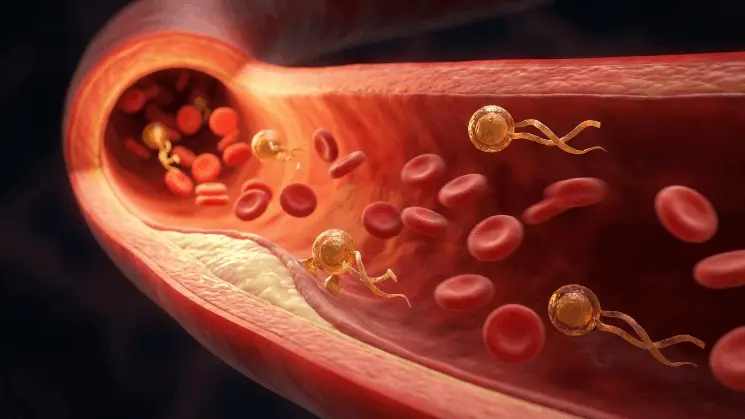
Legionnaires’ disease is a serious type of pneumonia caused by Legionella bacteria. According to the Centers for Disease Control and Prevention (CDC), it develops when a person inhales tiny water droplets that contain the bacteria.
It is important to clarify one common misconception: Legionnaires’ disease does not spread from person to person. It is acquired from contaminated water sources.
How Legionella Bacteria Spread in Water
Legionella bacteria in water tend to grow in warm environments, especially in complex water systems. These may include:
- Hot tubs and whirlpools
- Decorative fountains
- Large plumbing systems
- Cooling towers
- Showerheads and faucets
When water containing the bacteria becomes aerosolized—meaning tiny droplets become airborne—it can be inhaled into the lungs.
Why Cruise Ships Can Be Involved
Cruise ships are essentially floating cities. They contain extensive plumbing systems, pools, spas, and hot tubs. If water systems are not properly maintained, warm water environments may allow Legionella to multiply.
Most cruise lines follow strict water management protocols. However, when cases of Legionnaires’ disease on cruise ships are identified, public health authorities investigate possible water sources such as private balcony hot tubs or spa areas.
More Helpful Reads You Might Like:
Why Legionnaires’ Disease on Cruise Ships Makes Headlines
When cases occur after a cruise, they often receive significant media attention. Travel settings draw interest because many people were potentially exposed to the same environment.
However, it is important to keep perspective:
- Legionnaires’ disease is relatively uncommon.
- Millions of people cruise safely every year.
- Investigations typically focus on identifying and correcting specific water system issues.
Public health transparency helps prevent further cases. Reports about Legionnaires’ disease on cruise ships often reflect monitoring systems working as intended.
Who Is at Higher Risk During Travel?
Not everyone exposed to Legionella bacteria in water becomes ill. Certain individuals are more susceptible, including:
- Adults over age 50
- Current or former smokers
- People with chronic lung disease
- Individuals with weakened immune systems
- Those with chronic conditions such as diabetes or kidney disease
Healthy younger adults may have lower risk, though infection can still occur.
Understanding personal risk factors can help travelers make informed choices, especially regarding hot tubs and spa use.
Legionnaires’ Disease Symptoms to Watch for After a Cruise
Symptoms typically appear 2 to 14 days after exposure.
Because it is a form of pneumonia, early signs may resemble the flu or a severe respiratory infection.
Early Symptoms
- Fever
- Chills
- Cough
- Muscle aches
- Headache
- Fatigue
Some individuals may also experience gastrointestinal symptoms such as diarrhea.
When to Seek Medical Care
Medical evaluation is important if:
- Fever is high or persistent
- Breathing becomes difficult
- Chest pain develops
- Symptoms worsen rapidly
When seeking care, mentioning recent travel—including a cruise—can help healthcare providers consider Legionnaires’ disease symptoms and order appropriate diagnostic testing.
Early treatment with specific antibiotics significantly improves outcomes.
How Cruise Ship Health Safety Is Regulated in the U.S.
Concerns about Legionnaires’ disease on cruise ships often lead travelers to ask: who ensures safety?
The CDC Vessel Sanitation Program
The CDC operates the Vessel Sanitation Program (VSP), which conducts inspections of cruise ships arriving at U.S. ports. These inspections review:
- Water systems
- Pools and hot tubs
- Food safety practices
- General sanitation
Inspection scores are publicly available.
Water Management Plans and Inspections
Cruise ships are expected to maintain water management programs designed to prevent the growth of Legionella bacteria in water systems. These plans include:
- Temperature control
- Disinfection protocols
- Routine testing
- Maintenance documentation
If cases are identified, enhanced cleaning and remediation measures are implemented.
Cruise lines may also notify passengers when exposure is suspected, allowing individuals to monitor for symptoms.
Practical Steps Travelers Can Take
While cruise operators are responsible for maintaining safe environments, travelers can take reasonable precautions.
1. Be Mindful With Hot Tubs
Hot tubs and warm spas are known environments where Legionella can grow if not properly disinfected. Individuals at higher risk may consider limiting use, particularly in private or less frequently maintained settings.
2. Watch for Symptoms After Travel
If respiratory symptoms develop within two weeks of a cruise, inform a healthcare provider about recent travel history.
3. Manage Underlying Health Conditions
Keeping chronic conditions well controlled and avoiding smoking may reduce vulnerability to severe pneumonia.
4. Review Public Inspection Scores
The CDC publishes cruise ship inspection results online. Reviewing these scores can provide reassurance about sanitation standards.
5. Keep Risk in Perspective
Although media coverage can feel alarming, the actual number of cases linked to cruise travel remains small compared with the number of passengers who travel safely each year.
The Bottom Line for Cruise Travelers
Headlines about Legionnaires’ disease on cruise ships can be unsettling, especially when planning a vacation meant for relaxation.
However, several reassuring facts remain clear:
- Legionnaires’ disease is not contagious between people.
- Cruise ships operate under CDC oversight.
- Water management programs are designed to reduce bacterial growth.
- Early recognition and treatment are highly effective.
For most travelers, the benefits of cruising outweigh the relatively low risk of infection. Awareness—not fear—is the most helpful response.
Understanding how Legionella bacteria in water spread, recognizing Legionnaires’ disease symptoms, and knowing when to seek care allows travelers to enjoy their trips with confidence.
Safe travel starts with informed decisions.
Medical Disclaimer: This content is for educational purposes only and does not replace professional medical advice, diagnosis, or treatment. Always consult your physician or a qualified healthcare provider with any questions about a medical condition.
Sources & Further Reading
PubMed (Scientific Article):
Bartram J, et al. Legionella and the prevention of legionellosis. World Health Organization. PubMed.
https://pmc.ncbi.nlm.nih.gov/articles/PMC2600316/
CDC – Legionella:
https://www.cdc.gov/legionella/index.html
CDC – Vessel Sanitation Program:
https://www.cdc.gov/nceh/vsp/
NIH – MedlinePlus (Legionnaires’ Disease):
https://medlineplus.gov/legionnairesdisease.html
Mayo Clinic – Legionnaires’ Disease:
https://www.mayoclinic.org/diseases-conditions/legionnaires-disease/symptoms-causes/syc-20351747
Harvard Health – Legionnaires’ Disease Overview:
https://hsph.harvard.edu/news/legionnaires-disease-not-just-a-new-york-city-problem/