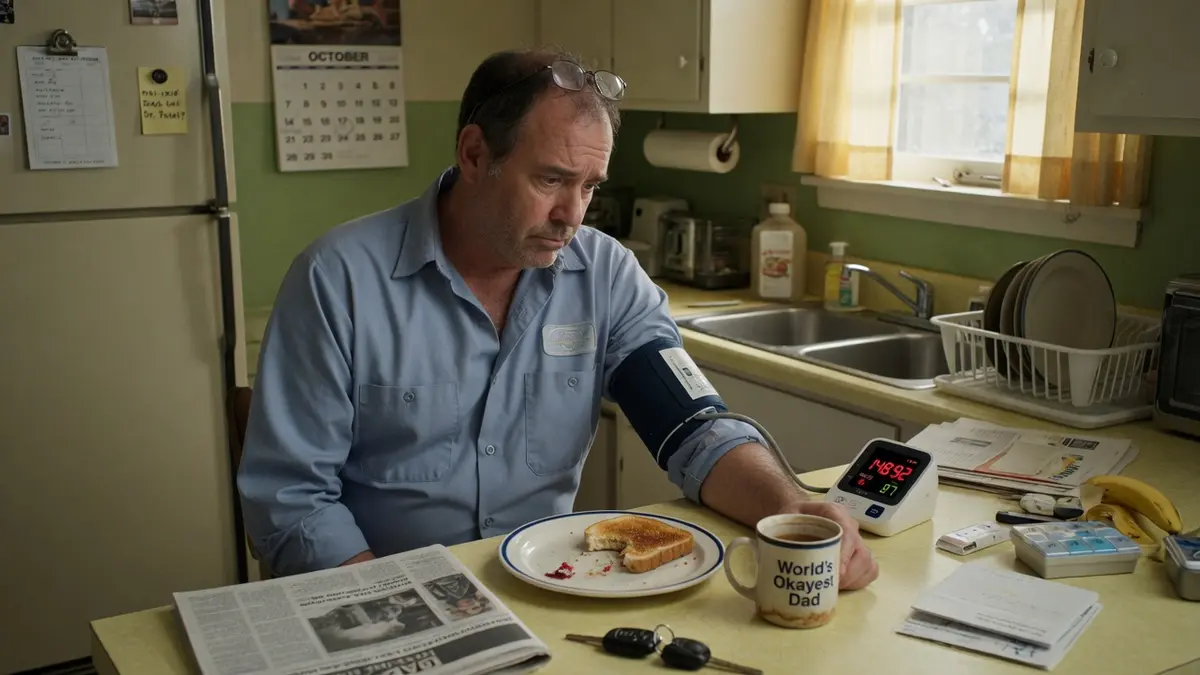

Feeling constantly tired, mentally drained, or just “off” can be frustrating—especially when sleep, stress, and routine do not fully explain it. For some people, the missing piece may be something surprisingly common: low vitamin D.
Low vitamin D symptoms are often subtle. They do not always show up as a clear illness, but rather as small shifts in energy, mood, and overall well-being. Because these changes develop gradually, they are easy to overlook or attribute to a busy lifestyle.
At the same time, not every case of fatigue or low mood is caused by vitamin D. The key is understanding where this nutrient fits into the bigger picture of health.
Why Low Vitamin D Symptoms Often Go Unnoticed
Vitamin D plays a quiet but essential role in the body. It supports bone health, immune function, and muscle strength—but it also interacts with systems that influence how the brain and body feel day to day.
According to the National Institutes of Health (NIH), vitamin D deficiency is relatively common, especially in people who spend limited time outdoors, have darker skin, or live in regions with less sunlight.
What makes low vitamin D symptoms tricky is how nonspecific they can be. Feeling tired, unmotivated, or slightly down does not immediately point to a nutrient deficiency. Instead, these symptoms often blend into everyday life.
How Vitamin D Affects Mood and Energy
The Brain, Hormones, and Vitamin D
Vitamin D is involved in several processes that influence mood and energy. It interacts with receptors in the brain and may play a role in regulating neurotransmitters such as serotonin, which helps stabilize mood.
It also contributes to muscle function and inflammation balance. When levels are low, some people may experience a subtle drop in physical and mental energy.
This does not mean vitamin D directly “controls” mood, but it may influence the systems that support emotional balance and vitality.
What Research Shows About Fatigue and Mood
Clinical research provides a nuanced picture. Some randomized trials have shown that individuals with low vitamin D levels and fatigue experienced improvement after supplementation. Others, including large-scale studies on depression prevention, found no significant benefit in generally healthy populations.
This suggests an important takeaway: low vitamin D symptoms may be more noticeable—and more reversible—in people who are actually deficient.
More Helpful Reads You Might Like:
7 Subtle Signs Low Vitamin D May Be Affecting You
Low vitamin D symptoms can appear in different ways depending on the individual. The signs below are not diagnostic, but they may offer useful clues.
1. Persistent fatigue despite adequate sleep
Energy levels may feel low even after a full night’s rest. This kind of fatigue often feels physical and mental at the same time.
2. Low mood or reduced motivation
Some people notice a dip in mood, less interest in daily activities, or a general sense of emotional flatness.
3. Muscle weakness or heaviness
Vitamin D supports muscle function. Low levels may contribute to a feeling of weakness or reduced physical performance.
4. Frequent illnesses or slower recovery
Vitamin D plays a role in immune function, so low levels may be linked to getting sick more often or taking longer to recover.
5. Bone or joint discomfort
Although more common in severe deficiency, mild aches can sometimes appear early.
6. Difficulty concentrating or “mental fog”
Focus and clarity may feel slightly impaired, especially during periods of fatigue.
7. Symptoms worsen during winter months
Reduced sunlight exposure can lead to lower vitamin D levels, which may coincide with seasonal drops in energy and mood.
When Symptoms May Point to Something More
Other Conditions That Mimic Low Vitamin D Symptoms
Low vitamin D symptoms overlap with many other conditions. Fatigue and low mood can also be linked to:
- Sleep disorders
- Chronic stress or burnout
- Depression or anxiety
- Thyroid conditions
- Vitamin B12 deficiency
- Medication side effects
Because of this overlap, it is important not to assume vitamin D is the sole cause.
When to Seek Medical Advice
Medical evaluation is important if symptoms are persistent, worsening, or interfering with daily life. This includes difficulty functioning at work, changes in memory, or ongoing low mood.
A healthcare provider may recommend blood testing to assess vitamin D levels and rule out other causes.
How to Improve Vitamin D Levels Safely
Sunlight, Food, and Supplements
Vitamin D can be obtained in three main ways:
- Sunlight: The skin produces vitamin D when exposed to UVB rays. Even short periods of sun exposure may help, depending on location and skin type.
- Food: Fatty fish (like salmon), fortified dairy products, and egg yolks provide small amounts.
- Supplements: Often used when levels are low or sun exposure is limited.
The NIH provides general intake recommendations, but individual needs vary.
When Testing and Personalization Matter
Not everyone needs supplementation. The Endocrine Society advises targeted testing rather than routine screening in healthy individuals.
When deficiency is confirmed, treatment should be guided by a healthcare professional. Excess vitamin D can be harmful, so more is not always better.
The Bottom Line
Low vitamin D symptoms can quietly affect how the body and mind feel. Fatigue, low motivation, and subtle mood changes are among the most common patterns reported, especially in individuals with true deficiency.
Still, vitamin D is just one piece of a much larger puzzle. Energy and mood are influenced by sleep, nutrition, stress, medical conditions, and daily habits.
For those feeling persistently tired or emotionally off, checking vitamin D levels may be a reasonable step—but it should be part of a broader, thoughtful evaluation.
Medical Disclaimer
This content is for educational purposes only and does not replace professional medical advice, diagnosis, or treatment. Always consult your physician or a qualified healthcare provider with any questions about a medical condition.
Sources & Further Reading
Vitamin D and Depression: A Systematic Review and Meta-Analysis
https://pubmed.ncbi.nlm.nih.gov/32749491/
Effect of Vitamin D3 on Self-Perceived Fatigue
https://pubmed.ncbi.nlm.nih.gov/28033244/
Mayo Clinic – Vitamin D Deficiency
https://www.mayoclinic.org/healthy-lifestyle/nutrition-and-healthy-eating/expert-answers/vitamin-d-deficiency/faq-20058397