Starting an Ozempic diet doesn’t mean settling for a strict, joy-less menu. Instead, it’s about choosing foods that work with GLP-1 medications like Ozempic, Wegovy, and Mounjaro—helping you feel full sooner, tame side-effects, and steady your blood sugar. Originally designed for type 2 diabetes, these drugs turn into weight-loss powerhouses when paired with balanced eating. Clinical studies show the combo accelerates fat loss while preserving lean muscle. So, what exactly should land on your plate—and what should stay off it?
How the Ozempic Diet Supports GLP-1 Action
GLP-1s (short for Glucagon-Like Peptide-1 receptor agonists) mimic a hormone your body naturally produces after eating. This hormone does a few magical things:
- Slows down how quickly your stomach empties
- Reduces your appetite by signaling fullness to your brain
- Lowers blood sugar by stimulating insulin
All this means you’ll feel full faster, eat less, and keep your blood sugar steady—three big wins for both weight loss and metabolic health.
Diet Tips That Work WITH These Medications
Now that your body is working with you (thanks to GLP-1s), it’s time to team up with your food choices too. Here are some practical, science-backed tips:
1. Go High-Protein Early and Often
GLP-1s reduce your appetite — which can make it easy to skip meals. But skipping protein? Big mistake. Protein protects your muscles while you lose weight and helps you feel full longer.
Try this: Aim for 20–30g of protein at each meal. Great options include eggs, Greek yogurt, beans, tofu, chicken, or a smoothie with protein powder.
2. Choose Easy-to-Digest Foods
Because GLP-1s slow digestion, heavy or greasy meals can cause nausea, bloating, or heartburn. That’s why many people following an Ozempic diet focus on lighter, easy-to-digest meals like soups, steamed vegetables, and baked fish.
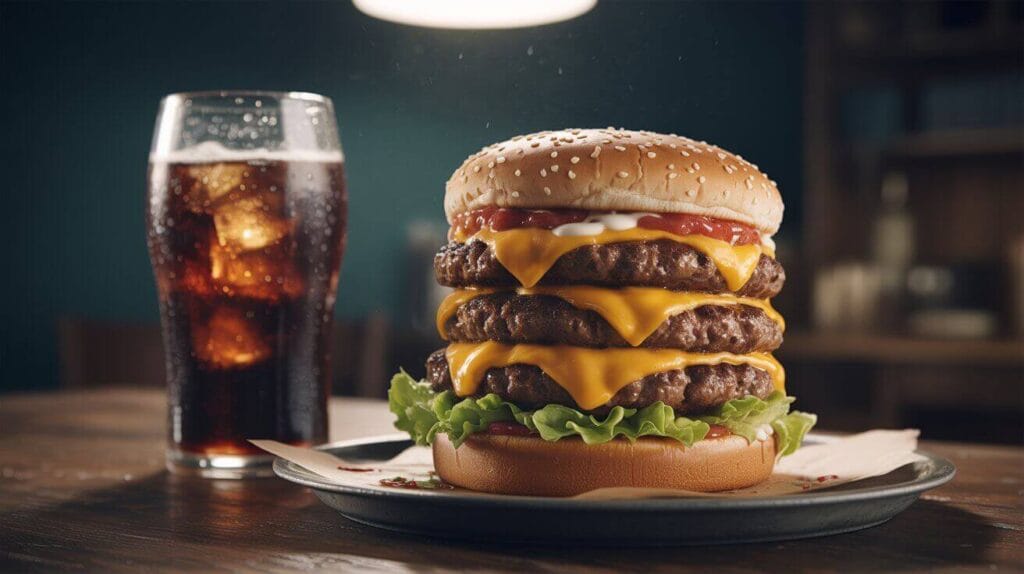
Try this: Think simple: oatmeal, steamed veggies, soups, or grilled fish. Skip fried foods and heavy cream sauces, at least for now.
3. Watch Your Portion Sizes (They Matter More Now)
You’re likely to feel full after a few bites—that’s the GLP-1 at work! But eating too fast or trying to “power through” a big meal can lead to nausea or even vomiting.
Try this: Use smaller plates. Take pauses between bites. Pack up leftovers without guilt. You’re listening to your body, not depriving it.
👉 Want to learn more ways to support your health while on GLP-1s? Don’t miss our post: 7 Facts About Optimal Vitamin D Levels You Need Now
4. Hydrate, But Not All at Once

GLP-1s can suppress thirst, making dehydration a sneaky risk. But drinking a lot of water during meals can increase bloating and make nausea worse.
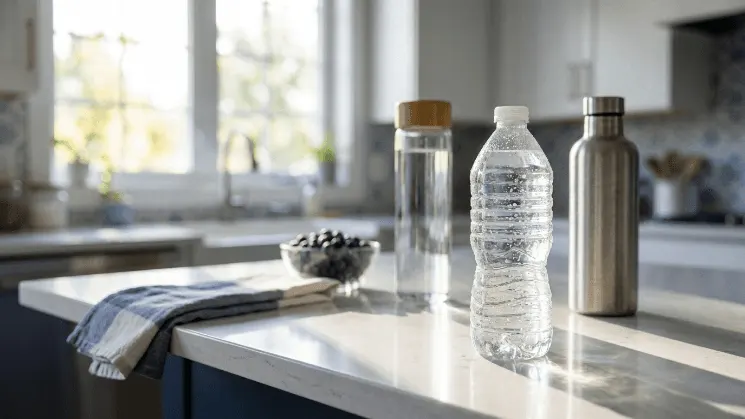
Try this: Sip water throughout the day. Avoid large amounts of fluid during meals. Carry a water bottle and flavor it with lemon or cucumber if needed. Hydration is crucial for digestion, energy, and preventing constipation — and it’s an essential part of a well-rounded Ozempic diet.
5. Limit Alcohol (Seriously)
Alcohol can behave unpredictably while on GLP-1 medications. It may hit harder, faster, and worsen side effects like nausea or low blood sugar. Some people even report losing interest in alcohol altogether — possibly because the brain’s reward response is dampened by GLP-1s.
Try this: Avoid alcohol during your adjustment period. If you choose to drink, do so with food, go slowly, and limit to one drink. Always discuss alcohol use with your doctor.
6. Don’t Skip Meals (Yes, Even if You’re Not Hungry)
We know, it sounds counterintuitive. But skipping meals can lead to fatigue, muscle loss, and even blood sugar dips. Plus, it makes you more likely to binge later.
Try this: Stick to a meal schedule. If you’re not hungry, go for a small snack—like half a protein bar, a boiled egg, or a banana with peanut butter.
7. Watch for Nutrient Gaps
With weight loss and reduced appetite comes lower calorie intake — and that can put you at risk for vitamin and mineral deficiencies. But rather than jumping straight to supplements, the best first step is to eat a wide variety of nutritious foods.
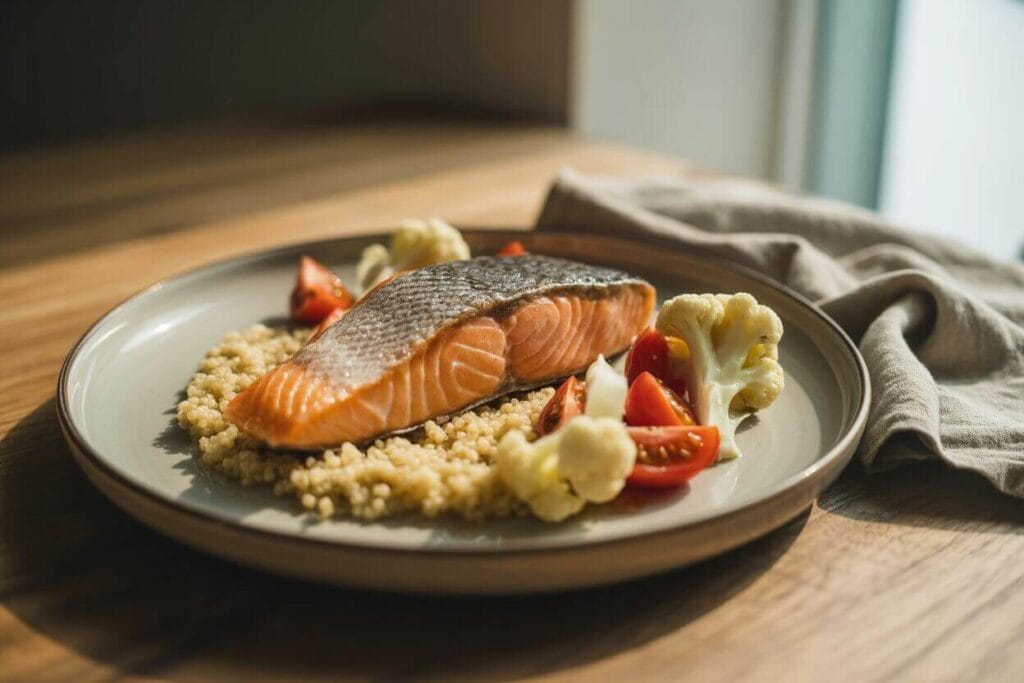
Try this: Fill your plate with colorful vegetables, fruits, lean proteins, healthy fats, and whole grains. A diversified diet gives your body what it needs to function. And for tailored support, consider meeting with a registered dietitian.
Want to dive deeper? Check out this clinical study on semaglutide and lifestyle interventions for weight loss (Villela & Correa, 2021).
Medical Disclaimer: This content is for educational purposes only and does not replace professional medical advice, diagnosis, or treatment. Always consult your physician or a qualified healthcare provider with any questions about a medical condition.