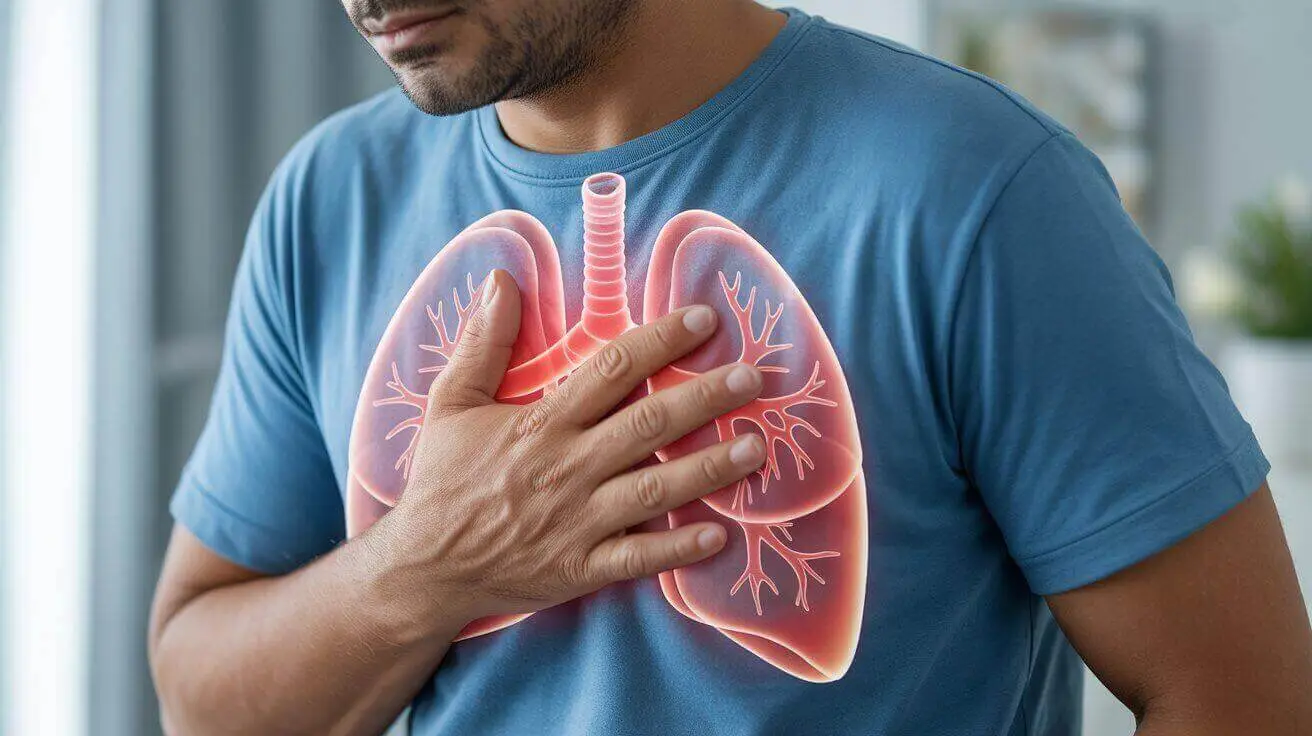
Pulmonary embolism often arrives without warning. One moment everything feels normal; the next, breathing becomes difficult, the chest feels tight, or the heart starts racing. For many people, the most unsettling part is that pulmonary embolism causes can begin quietly—sometimes days or weeks before symptoms appear.
Understanding pulmonary embolism causes is one of the most effective ways to reduce risk, recognize early warning signs, and take practical steps toward prevention.
What Is a Pulmonary Embolism?
A pulmonary embolism happens when a blood clot blocks an artery in the lungs. This blockage prevents oxygen-rich blood from reaching lung tissue and, in severe cases, can strain the heart.
Most pulmonary embolisms start elsewhere in the body—usually in the deep veins of the legs. This condition is known as deep vein thrombosis (DVT). When part of that clot breaks free and travels to the lungs, it becomes a pulmonary embolism.
More Helpful Reads You Might Like:
Why Pulmonary Embolism Happens
Blood clots form when blood flow slows down, blood becomes unusually thick, or blood vessels are injured. These three factors—known medically as Virchow’s triad—explain why pulmonary embolism causes tend to cluster around certain situations like surgery, long periods of immobility, or serious illness.
The Most Common Causes of Pulmonary Embolism
Deep Vein Thrombosis (DVT): The Main Trigger
The vast majority of pulmonary embolism cases begin with DVT. Clots often develop in the deep veins of the calf or thigh, especially when movement is limited.
Swelling, warmth, redness, or leg pain may appear—but not always. Many people with DVT have no symptoms until a clot travels to the lungs.
Surgery, Hospitalization, and Immobility
Major surgery—especially orthopedic or abdominal procedures—significantly increases the risk of blood clots. Hospital stays, bed rest, and recovery periods reduce muscle movement, slowing blood flow in the legs.
This is why hospitals routinely use compression devices, early walking programs, and preventive blood thinners in higher-risk patients.
Cancer and Blood Clot Risk
Cancer changes how blood clots. Some tumors release substances that make blood more likely to clot, while chemotherapy and central venous catheters further increase risk.
Cancer-related clotting is a well-established contributor to pulmonary embolism causes, particularly in people undergoing active treatment.
Hormones, Pregnancy, and Birth Control
Estrogen-containing medications—including certain birth control pills and hormone replacement therapy—can increase clotting risk, especially in people who smoke or have other risk factors.
Pregnancy and the postpartum period also raise the risk of pulmonary embolism due to hormonal shifts, pressure on pelvic veins, and changes in blood clotting proteins.
Long Flights and Prolonged Sitting
Extended periods of sitting—such as long-haul flights or desk work without breaks—slow blood flow in the legs. While travel alone doesn’t cause most pulmonary embolisms, it can contribute when combined with dehydration, tight seating, or underlying risk factors.
Who Is at Higher Risk?
Some people are more vulnerable to pulmonary embolism causes than others. Risk increases with:
- Prior history of blood clots
- Family history of clotting disorders
- Obesity
- Smoking
- Chronic heart or lung disease
- Advanced age
- Certain genetic clotting conditions
Having one risk factor doesn’t guarantee a pulmonary embolism—but multiple factors together raise concern.
Warning Signs That Should Never Be Ignored
Pulmonary embolism symptoms vary widely. Some are subtle; others are sudden and severe.
Common signs include:
- Shortness of breath without explanation
- Chest pain that worsens with deep breathing
- Rapid heartbeat
- Lightheadedness or fainting
- Coughing, sometimes with blood
Because symptoms can mimic other conditions, prompt medical evaluation is critical.
How to Prevent Pulmonary Embolism
Prevention focuses on reducing clot formation and improving circulation.
Stay Moving
Frequent walking, leg exercises, and stretching help keep blood flowing—especially during travel or long workdays.
Follow Post-Surgery Instructions
Early ambulation, compression stockings, and prescribed blood thinners significantly reduce risk.
Manage Chronic Conditions
Controlling cancer, heart disease, and lung disease lowers clot risk over time.
Know Medication Risks
Discuss hormone therapies or birth control options with a healthcare professional, particularly if clot risk factors are present.
Maintain a Healthy Lifestyle
Staying hydrated, avoiding smoking, and managing weight all contribute to better circulation.
When to Talk to a Doctor
Any unexplained shortness of breath, chest pain, or leg swelling deserves medical attention. People with known risk factors should discuss prevention strategies proactively—especially before surgery or long travel.
The Bottom Line
Pulmonary embolism causes are often preventable once they’re understood. While not every clot can be avoided, recognizing risk factors and early symptoms can save lives. Awareness, movement, and timely care remain the strongest defenses against this serious condition.
Medical Disclaimer: This content is for educational purposes only and does not replace professional medical advice, diagnosis, or treatment. Always consult your physician or a qualified healthcare provider with any questions about a medical condition.