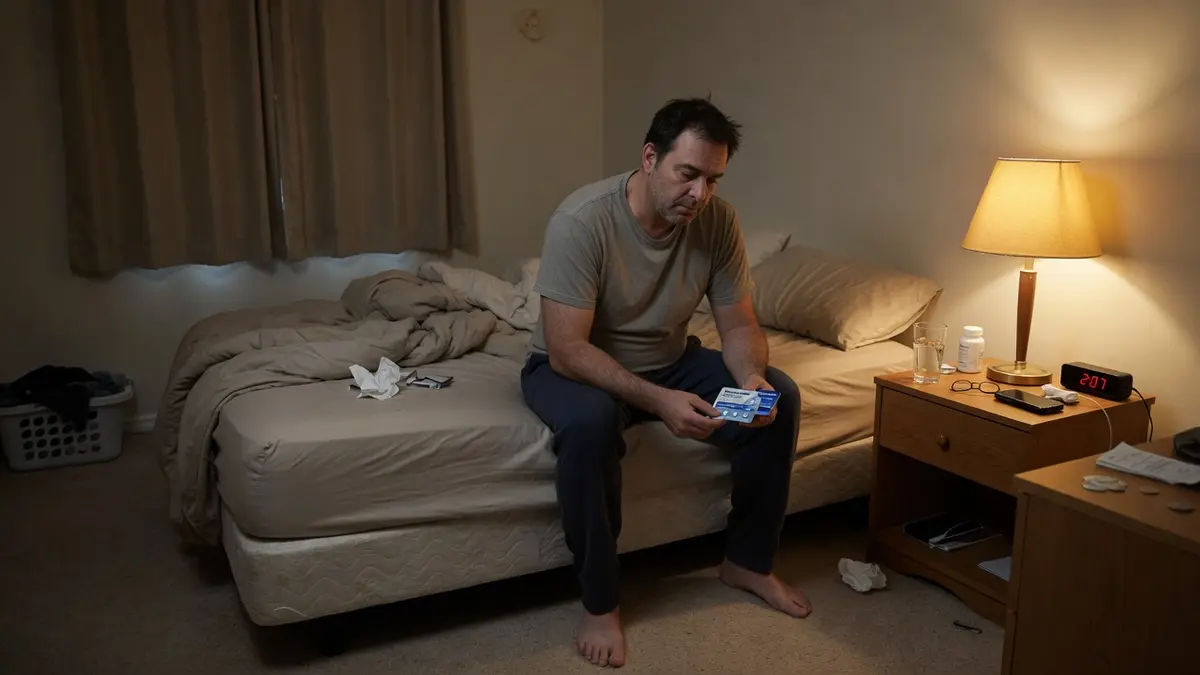

It may not feel extreme. Sleeping five or six hours a night often seems manageable—especially during a busy week. There is still some rest, and many people continue to function, go to work, and complete daily tasks.
But beneath the surface, the body begins to shift.
Sleep deprivation effects from 5–6 hours are not just about feeling tired. Over the course of a single week, measurable changes can occur in the brain, metabolism, immune system, and mood—even if those changes are subtle at first.
Understanding what happens during that short window helps explain why sleep is not simply “downtime,” but a critical biological process.
Why 5–6 Hours of Sleep Isn’t Enough
According to the American Academy of Sleep Medicine and the CDC, most adults need at least 7 hours of sleep per night for optimal health.
Sleeping less than that—even by one or two hours—creates what is often called sleep restriction.
This does not mean complete sleep loss. Instead, it is a repeated pattern of not quite enough sleep, which can quietly accumulate over several days.
By the end of a week, the body may be operating under a measurable sleep deficit.
How Sleep Deprivation Affects the Brain
Slower Thinking and Reduced Focus
One of the earliest sleep deprivation effects from 5–6 hours is a decline in attention.
Tasks that normally feel simple may take more effort. Reaction time slows. Mistakes become more likely, especially during repetitive or detail-oriented work.
Research published in Sleep has shown that individuals restricted to about 6 hours of sleep per night for multiple days experienced progressive declines in cognitive performance—similar to staying awake for an entire night.
An important detail: people often do not fully recognize how impaired they are.
Mood Changes and Emotional Reactivity
Sleep plays a central role in emotional regulation.
With shorter sleep:
- Irritability may increase
- Stress feels harder to manage
- Small frustrations can feel amplified
This happens because the prefrontal cortex (responsible for decision-making) becomes less effective, while the amygdala (which processes emotional reactions) becomes more reactive.
As a result, emotional responses may feel stronger and less controlled.
More Helpful Reads You Might Like:
7 Effects of Sleeping 5–6 Hours for a Week
Even over a short period, consistent short sleep can lead to noticeable changes:
- Reduced concentration and mental clarity
- Increased fatigue throughout the day
- Stronger cravings for high-calorie foods
- Lower motivation and productivity
- More mood swings or irritability
- Slower reaction time (including while driving)
- A growing sense of “brain fog”
These effects may build gradually, making them easy to overlook until they start interfering with daily life.
How Short Sleep Affects Your Body
Appetite, Hormones, and Weight
Sleep helps regulate hunger-related hormones.
With ongoing short sleep:
- Ghrelin (hunger hormone) increases
- Leptin (satiety hormone) decreases
This combination can lead to:
- Increased appetite
- More frequent snacking
- Preference for sugary or processed foods
Some studies suggest that people may consume hundreds of extra calories per day under these conditions.
Immune System and Inflammation
Sleep is essential for immune function.
Even partial sleep deprivation may:
- Reduce the body’s ability to fight infections
- Increase susceptibility to common illnesses like colds
Research in JAMA has shown that individuals sleeping less than 6 hours were more likely to develop symptoms after exposure to a virus.
In addition, short sleep can raise markers of inflammation, which—over time—may contribute to chronic health conditions.
Heart and Metabolic Health
Sleep deprivation effects from 5–6 hours also extend to the cardiovascular and metabolic systems.
Over a week, some people may experience:
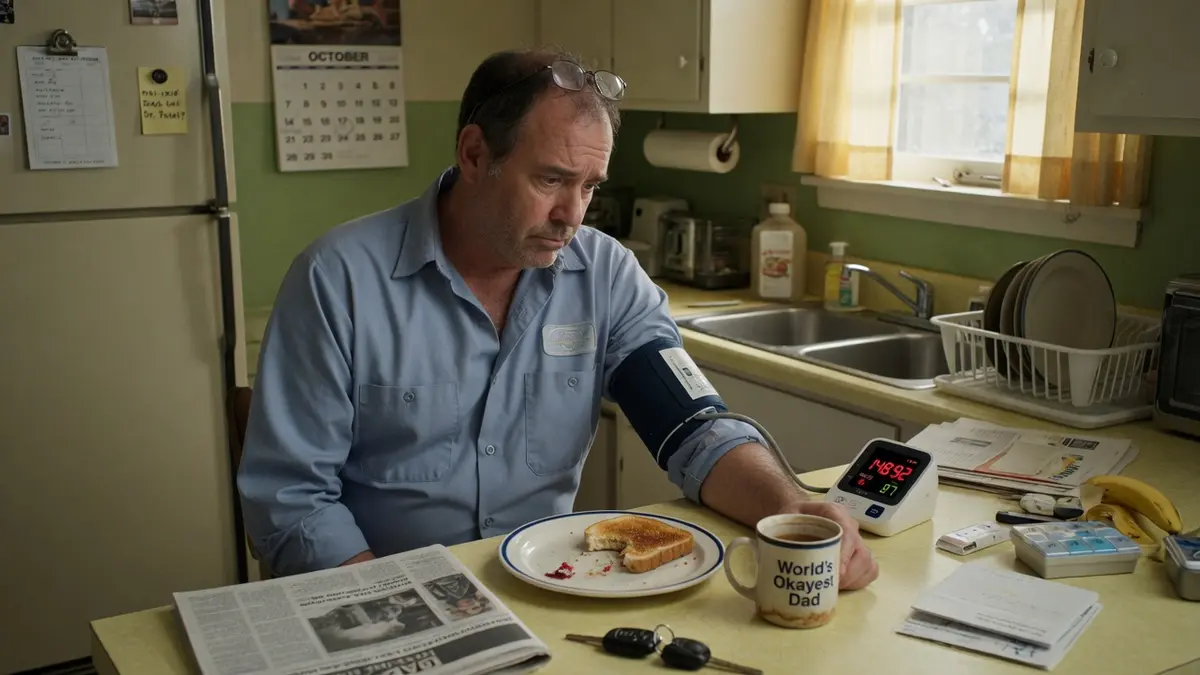
- Slight increases in blood pressure
- Elevated heart rate
- Reduced insulin sensitivity
These changes are usually temporary in the short term, but they reflect a body under stress.
Repeated patterns over time may increase the risk of conditions such as hypertension, diabetes, and heart disease.
When Short Sleep Becomes a Bigger Problem
Signs Your Body Is Not Coping Well
Some signals suggest that sleep restriction is starting to take a toll:
- Persistent daytime fatigue
- Difficulty concentrating or remembering things
- Increased irritability or low mood
- Frequent headaches
- Feeling unrefreshed even after sleep
These symptoms do not necessarily mean something serious is wrong—but they may indicate that the body is not getting the recovery it needs.
When to Take Sleep Loss Seriously
Short-term sleep loss is common. However, patterns that continue beyond a week—or begin affecting safety and daily functioning—deserve closer attention.
Seek medical guidance if:
- Sleep deprivation is ongoing
- There are frequent awakenings or poor sleep quality
- Daytime sleepiness affects driving or work
- Mood or memory changes persist
Sleep disorders, stress, mental health conditions, and lifestyle factors may all play a role.
How to Recover From a Week of Poor Sleep
Practical Ways to Reset Your Sleep
Recovery does not usually require drastic measures. Small, consistent changes can help restore balance:
- Gradually return to a consistent sleep schedule
- Aim for 7–9 hours per night
- Limit caffeine later in the day
- Reduce screen exposure before bedtime
- Keep the bedroom cool, dark, and quiet
Short naps (20–30 minutes) may help temporarily, but they should not replace nighttime sleep.
When Sleep Needs a Personalized Approach
Sleep needs can vary.
Factors such as:
- Age
- Work schedule
- Stress levels
- Medical conditions
may influence how much sleep is required and how the body responds to sleep loss.
If sleep difficulties persist, individualized guidance from a healthcare provider can help identify underlying causes.
The Bottom Line
Sleeping 5–6 hours for a single night may not feel significant. But when it becomes a pattern—even for just one week—the effects can begin to accumulate.
Sleep deprivation effects from 5–6 hours may include slower thinking, mood changes, increased appetite, reduced immunity, and signs of metabolic stress.
These changes are often subtle at first, which is why they are easy to ignore.
In many cases, they are also reversible.
Restoring consistent, adequate sleep is one of the most effective ways to support brain function, physical health, and overall well-being.
Medical Disclaimer
This content is for educational purposes only and does not replace professional medical advice, diagnosis, or treatment. Always consult your physician or a qualified healthcare provider with any questions about a medical condition.
Sources & Further Reading
PubMed — Cumulative sleep restriction study
https://pubmed.ncbi.nlm.nih.gov/12683469/
CDC — Sleep and Sleep Disorders
https://www.cdc.gov/pcd/issues/2023/23_0197.htm
NIH — Sleep Deprivation and Deficiency
https://www.nhlbi.nih.gov/health/sleep-deprivation
Harvard Health — Sleep and mental health
https://www.health.harvard.edu/newsletter_article/sleep-and-mental-health
Mayo Clinic — Sleep deprivation
https://www.mayoclinic.org/diseases-conditions/sleep-deprivation
JAMA — Sleep and susceptibility to the common cold
https://jamanetwork.com/journals/jamainternalmedicine/fullarticle/414701