 Written by
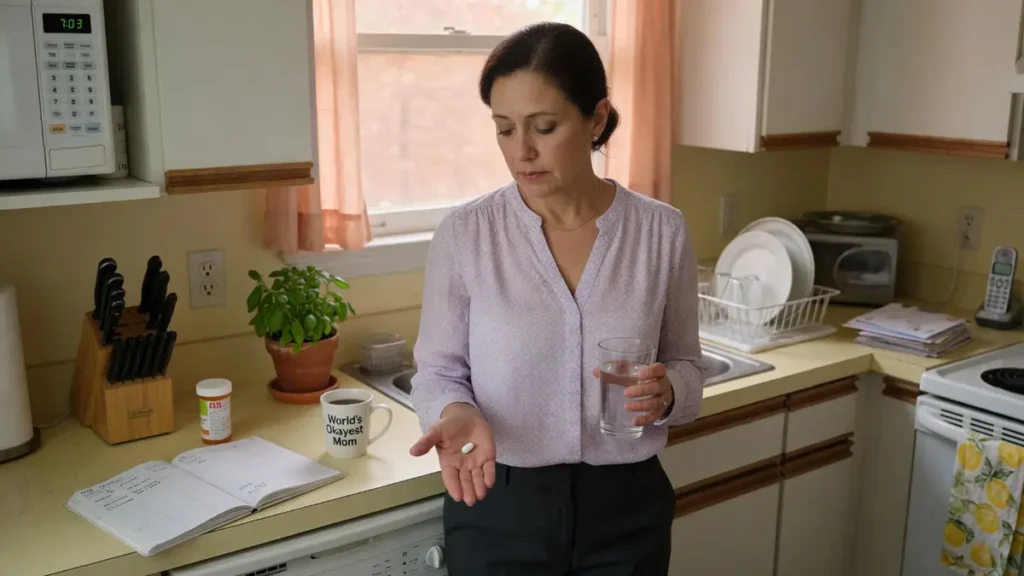
A patient walks into a routine physical feeling fine. Maybe a little tired in the afternoons, maybe waking up once a night to use the bathroom, maybe noticing their reading glasses don’t quite work the way they used to. Nothing alarming. Then the bloodwork comes back showing an A1C of 6.1%—squarely in the prediabetes range—and they’re stunned. “But I feel completely normal,” they say.
In this article
- Why Prediabetes Often Feels Like Nothing
- The Subtle Signs People Tend to Dismiss
- Why Symptoms Are a Bad Way to Screen for Prediabetes
- What Does Prediabetes Feel Like in People Who Do Notice It?
- When to See a Doctor
- What Happens If Prediabetes Is Caught Early
- So What Does Prediabetes Feel Like? Usually Nothing—And That’s the Point
That reaction captures the central problem with prediabetes. The honest answer to what does prediabetes feel like is usually this: it doesn’t feel like much of anything. And when it does produce symptoms, they’re the kind most people brush off as stress, aging, poor sleep, or a busy week.
Why Prediabetes Often Feels Like Nothing
Prediabetes means blood sugar is higher than normal but not yet high enough to be called type 2 diabetes. In numbers, that’s typically an A1C between 5.7% and 6.4%, or a fasting glucose between 100 and 125 mg/dL. The body still produces insulin, and cells still respond to it—just less efficiently than they should.
Because blood sugar isn’t dramatically elevated, the classic symptoms of diabetes (intense thirst, frequent urination, rapid weight loss, blurry vision) usually haven’t kicked in yet. The CDC estimates that roughly 1 in 3 American adults has prediabetes, and more than 80% of them don’t know it. That’s not because they’re ignoring obvious warning signs. It’s because there often aren’t any.
So can you feel prediabetes? Sometimes—but only if you’re paying attention to symptoms most people would chalk up to ordinary life.
The Subtle Signs People Tend to Dismiss
When prediabetes does cause symptoms, they tend to be vague and easy to explain away. None of them are diagnostic on their own. But taken together, or noticed alongside risk factors like family history or excess weight around the midsection, they’re worth a second look.
Afternoon energy crashes
Feeling wiped out a couple of hours after lunch is so common it almost feels normal. But repeated post-meal fatigue—especially after carb-heavy meals—can reflect blood sugar spikes followed by sharper-than-normal drops. People often blame it on a bad night of sleep or too much screen time, and sometimes they’re right. Sometimes they’re not.
Mild, persistent thirst
Not the desperate, can’t-stop-drinking thirst of full diabetes. More like reaching for water more often than usual, keeping a bottle nearby, feeling slightly dry-mouthed in the morning. When blood sugar runs even modestly high, the kidneys work harder to filter it out, which pulls water along with it.
Waking up to urinate
One extra trip to the bathroom at night isn’t unusual, particularly with age. But a new pattern of waking once or twice when you used to sleep through can be one of the early signs of prediabetes—again, because higher glucose pulls more fluid through the kidneys.
Slightly blurry vision that comes and goes
When blood sugar rises, fluid can shift in and out of the lens of the eye, changing its shape just enough to blur things temporarily. People often assume they need a new prescription. Sometimes the real issue is metabolic, not optical.
Skin changes
One of the more specific (though still not universal) prediabetes warning signs is acanthosis nigricans—darker, velvety patches of skin that show up in the folds of the neck, armpits, or groin. It’s associated with insulin resistance, the underlying driver of prediabetes. Skin tags in those same areas can also be a clue.
Slower wound healing
A scrape that takes longer than expected to close up, or a bug bite that lingers, can reflect mildly impaired circulation and immune function from elevated glucose. This one is subtle and inconsistent at this stage—but worth filing away.
Increased hunger, especially for carbs
Insulin resistance means cells aren’t pulling glucose out of the bloodstream as efficiently. The brain can interpret this as needing more fuel, which shows up as cravings—particularly for quick carbs that briefly resolve the signal before restarting the cycle.
Tingling or numbness in the feet
This one is uncommon in prediabetes but not impossible. Nerve changes typically appear later, in diabetes itself, but research suggests some people show early neuropathy-like symptoms while still in the prediabetes range. New tingling, burning, or pins-and-needles in the feet deserves attention regardless of cause.
More Helpful Reads You Might Like:
- Can Diabetes Affect Your Kidneys? Early Signs You Shouldn’t Ignore
- Vitamin B12 Deficiency: 7 Early Signs You Shouldn’t Ignore
- Why Acid Reflux Gets Worse at Night—and What Actually Helps
Why Symptoms Are a Bad Way to Screen for Prediabetes
Here’s the uncomfortable truth: relying on how you feel to detect prediabetes is a losing strategy. By the time symptoms become obvious enough to act on, blood sugar is often well into the diabetes range, and some of the damage—to blood vessels, nerves, and the pancreas itself—has already started.
This is why clinical guidelines recommend screening based on risk factors, not symptoms. The standard risk factors include being 35 or older, carrying excess weight (particularly around the abdomen), having a parent or sibling with type 2 diabetes, a history of gestational diabetes, polycystic ovary syndrome, high blood pressure, abnormal cholesterol, or belonging to a higher-risk ethnic group (including African American, Hispanic/Latino, Native American, Asian American, and Pacific Islander populations).
If any of those apply, asking a primary care provider for an A1C or fasting glucose test makes more sense than waiting to feel something.
What Does Prediabetes Feel Like in People Who Do Notice It?
When patients with confirmed prediabetes are asked to look back, the symptoms they describe in hindsight are almost always quiet: a general sense of feeling “off,” worse stamina than they used to have, sleep that doesn’t restore them the way it once did, weight that crept up around the middle despite no real change in habits. Few describe anything dramatic.
That pattern matters. It means the absence of obvious symptoms shouldn’t be reassuring, and the presence of vague ones shouldn’t be dismissed—particularly in someone with risk factors.
When to See a Doctor
Booking an appointment is reasonable if any of these apply:
- You haven’t had blood sugar checked in the last three years and you’re over 35
- You have one or more risk factors and have never been screened
- You’re noticing several of the subtle symptoms above clustered together
- You’ve developed darker, velvety skin patches in the neck or armpits
- You have new, unexplained vision changes, persistent thirst, or frequent urination
Seek prompt medical care—rather than waiting for a routine visit—if symptoms are more pronounced: significant unintended weight loss, constant thirst, urinating multiple times per night, blurred vision that doesn’t resolve, or extreme fatigue. Those patterns lean toward diabetes rather than prediabetes and warrant earlier evaluation.
What Happens If Prediabetes Is Caught Early
The reason any of this matters is that prediabetes is one of the few conditions where the trajectory can genuinely change. Research consistently shows that modest weight loss (around 5–7% of body weight), regular physical activity (roughly 150 minutes per week), and dietary changes focused on reducing refined carbohydrates can substantially lower the risk of progressing to type 2 diabetes. Some people return to normal blood sugar entirely. Medication, typically metformin, is sometimes added when risk is high or lifestyle changes alone aren’t enough.
None of that requires waiting until symptoms appear. In fact, the people who do best are the ones who find out before they feel anything at all.
So What Does Prediabetes Feel Like? Usually Nothing—And That’s the Point
The most honest answer to what does prediabetes feel like is that it often feels like ordinary life, with maybe a few small things that don’t quite seem right. Fatigue, thirst, a little extra trip to the bathroom, vision that flickers in and out of focus. Easy to ignore. Easy to misattribute. Which is exactly why a simple blood test, repeated every few years, does more for catching prediabetes than any amount of symptom-watching ever will.
Medical Disclaimer: This content is for educational purposes only and does not replace professional medical advice, diagnosis, or treatment. Always consult your physician or a qualified healthcare provider with any questions about a medical condition.
Sources & Further Reading
How we sourced this article: we rely on peer-reviewed studies, clinical guidelines and public-health agencies (CDC, NIH, AHA, WHO), check every link before publishing, and update articles when the evidence changes. Read our editorial approach.