
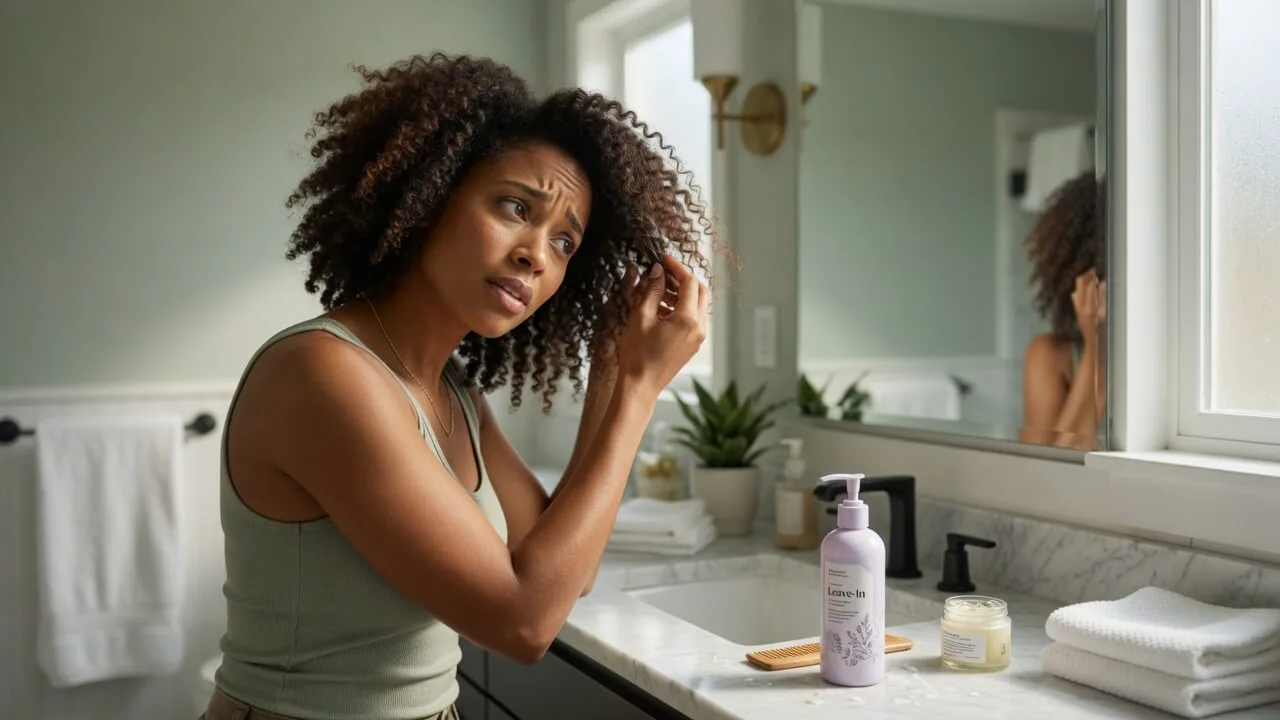
Dryness in coily hair often feels like a constant battle. One day the curls look defined and soft, and the next they may feel brittle, dull, or difficult to manage. For many people with type 4 hair, this cycle can be frustrating—and sometimes confusing.
What often gets overlooked is that coily hair is not “problematic.” It simply behaves differently. And because of that, it responds best to specific types of care—especially when guided by dermatology-based principles.
That is where dermatologist recommended products for natural hair can make a meaningful difference. These products are not just popular—they are designed to support the biology of the hair fiber itself.
Why Coily Hair Tends to Feel Dry
The Unique Structure of Type 4 Hair
Coily hair has a tightly curved structure, which makes it more fragile than straighter hair types. Each bend in the strand creates a potential weak point, where breakage may happen more easily.
In addition, the outer layer of the hair—called the cuticle—may not lie as flat. This makes it harder for the hair to retain moisture over time.
Why Natural Oils Don’t Travel Easily
The scalp produces natural oils meant to protect and lubricate the hair. But in coily hair, these oils often struggle to move down the twists and turns of each strand.
As a result, the ends of the hair may become dry, even when the scalp feels normal.
This helps explain why dermatologist recommended products for natural hair often focus on hydration and protection—not just cleansing.
More Helpful Reads You Might Like:
The 5 Dermatologist Recommended Products for Natural Hair
Not all products work the same way. Dermatologists tend to recommend categories based on how they interact with the hair structure.
1. Sulfate-Free Hydrating Shampoo
Traditional shampoos can strip away the small amount of natural oil coily hair has. Sulfate-free cleansers are gentler and help maintain the hair’s moisture balance.
Look for ingredients like glycerin or aloe, which help attract water without over-drying the scalp.
2. Deep Moisturizing Conditioner
Conditioners are essential—not optional—for coily hair. They help smooth the cuticle and reduce friction between strands.
Ingredients such as shea butter, fatty alcohols, and panthenol are often recommended because they soften the hair and improve manageability.
3. Weekly Deep Conditioning Mask
A deeper treatment once a week can help restore moisture levels that daily products may not fully replace.
Some masks include proteins, which can temporarily strengthen the hair. Others focus on lipids and oils to improve flexibility and reduce breakage.
Balance matters here. Too much protein may make hair feel stiff in some individuals.
4. Leave-In Conditioner
This is often considered one of the most important dermatologist recommended products for natural hair.
Leave-in conditioners provide ongoing hydration throughout the day and help protect against environmental stress, such as dry air or friction from clothing.
They also support curl definition and reduce frizz.
5. Natural Oils or Sealants
Oils do not hydrate the hair directly—but they play a key role in sealing in moisture.
Options like coconut oil or argan oil are commonly suggested because they may reduce protein loss and help protect the hair fiber.
Used correctly, they create a barrier that helps hydration last longer.
How These Products Actually Improve Hair Health
Hydration vs. Moisture Sealing
Hydration refers to adding water to the hair. Moisture sealing helps keep that water inside.
Many people use oils alone and feel disappointed with the results. That is because oils work best when applied after a hydrating product, not instead of it.
This is why layering products—often called the “LOC method” (liquid, oil, cream)—is commonly recommended.
Why Consistency Matters More Than Quantity
Using large amounts of product occasionally may not be as effective as using smaller amounts consistently.
Hair responds to routine. Over time, consistent use of dermatologist recommended products for natural hair may improve softness, elasticity, and overall appearance.
Common Mistakes That Keep Hair Dry
Some habits may unintentionally worsen dryness, even when good products are used.
- Washing too frequently with harsh shampoos
- Skipping conditioner
- Applying oils to dry hair without hydration
- Using excessive heat tools
- Detangling dry hair instead of damp or conditioned hair
These patterns may increase breakage and make hair feel rough over time.
A Simple Routine for Healthier Natural Hair
Daily and Weekly Habits That Make a Difference
A simple routine often works better than a complicated one.
Daily:
- Apply a leave-in conditioner to maintain hydration
- Seal lightly with oil if needed
Weekly:
- Wash with a sulfate-free shampoo
- Use a deep conditioner or mask
- Detangle gently while hair is conditioned
Environmental factors also matter. Dry climates, heat exposure, and friction from fabrics can all influence how hair behaves.
The Bottom Line
Dryness in coily hair is not a flaw—it is a reflection of how the hair is structured. Once that is understood, care becomes more intuitive and effective.
Using dermatologist recommended products for natural hair can help support hydration, reduce breakage, and improve overall hair health. Still, results may vary from person to person, depending on factors like hair porosity, routine, and environment.
For many, the biggest shift comes not from a single product—but from understanding how hydration, sealing, and consistency work together.
Medical Disclaimer
This content is for educational purposes only and does not replace professional medical advice, diagnosis, or treatment. Always consult your physician or a qualified healthcare provider with any questions about a medical condition.
Sources & Further Reading
American Academy of Dermatology: 6 Curly Hair Care Tips From Dermatologists
https://www.aad.org/public/everyday-care/hair-scalp-care/hair/curly-hair-care
Hair Cosmetics: An Overview
https://pubmed.ncbi.nlm.nih.gov/21635848/
The Role of Oils in Hair Care
https://pubmed.ncbi.nlm.nih.gov/12715094/
Black Hair: Tips For Everyday Care
https://www.aad.org/public/everyday-care/hair-scalp-care/hair/care-african-american
Hair Shaft Damage and Weathering
https://pubmed.ncbi.nlm.nih.gov/17728935/