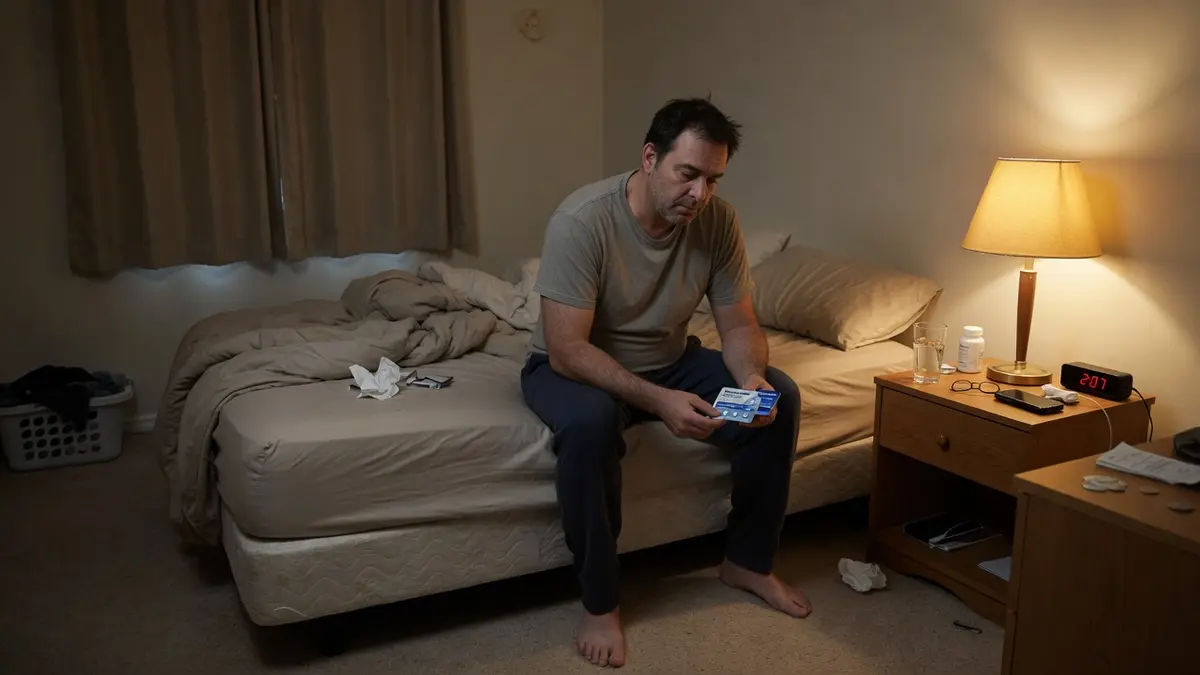

It starts in a way that feels completely logical. A headache builds, a pain reliever is taken, and relief follows. But then the headache comes back—sometimes sooner, sometimes stronger. So another dose is taken.
Over time, that pattern can quietly shift. The headaches become more frequent. The relief feels shorter. And eventually, the medication that once helped may be part of the problem.
This is the core of rebound headaches, a condition also known as medication overuse headache. It is more common than many people realize—and it often goes unrecognized for months.
What Are Rebound Headaches?
Rebound headaches occur when pain-relief medications are used frequently enough that the brain begins to react differently to them. Instead of simply relieving pain, the medications may contribute to a cycle where headaches return more often.
According to the American Headache Society, this pattern is most likely when medications are used regularly for more than a few days each week—especially over several months.
These headaches are not a sign of weakness or misuse in a moral sense. They reflect a biological adaptation in the nervous system, where the brain becomes more sensitive to pain signals over time.
More Helpful Reads You Might Like:
Why Pain Meds Can Make Headaches Worse
At first glance, it seems counterintuitive. How can something designed to reduce pain end up increasing it?
The answer lies in how the brain adapts.
The Brain’s Changing Response to Pain
Pain is not just a physical sensation—it is regulated by complex pathways in the brain and spinal cord. When pain medications are used occasionally, they help calm these pathways.
But with frequent use, especially over weeks or months, the brain may begin to lower its threshold for pain. Signals that once felt mild may start to feel more intense.
This process is often called central sensitization.
Opioid Overuse Headache and Sensitization
Opioids deserve special attention. While they can be effective for certain types of acute pain, they are generally not recommended for headaches.
Research suggests that repeated opioid exposure may:
- Increase sensitivity to pain (a phenomenon known as opioid-induced hyperalgesia)
- Disrupt the brain’s natural pain-control systems
- Alter neurotransmitters involved in mood and perception
Over time, this can lead to opioid overuse headache, a more persistent and difficult-to-treat form of rebound headaches.
5 Signs Your Headaches May Be Caused by Pain Medication
Not every frequent headache is a rebound headache. But some patterns can raise suspicion:
- Headaches occur most days of the week
- Pain returns as the medication wears off
- Increasing doses are needed for the same relief
- Headaches feel different from the original pattern
- Relief is temporary and shorter than before
Some people also notice fatigue, irritability, or difficulty concentrating alongside the headaches.
Why Opioids Are Especially Risky for Chronic Headaches
The Cycle of Relief and Return
Opioids can create a powerful cycle:
- Headache begins
- Medication is taken
- Pain improves
- Pain returns sooner
- Medication is taken again
Each loop reinforces the next. Over time, headaches may shift from occasional to nearly daily.
When the Brain Becomes More Sensitive to Pain
One of the more complex effects of opioids is that they may increase pain sensitivity rather than reduce it when used repeatedly.
This does not happen to everyone, but in susceptible individuals, the nervous system becomes more reactive. Even normal sensory signals may begin to feel uncomfortable or painful.
That is one reason major U.S. guidelines advise caution—or avoidance—of opioids in headache management.
How to Break the Cycle of Rebound Headaches
The good news is that this cycle can often be reversed.
Safe Ways to Reduce Medication Overuse
The cornerstone of treatment is reducing or stopping the overused medication. This process may be:
- Gradual (especially for opioids)
- Supervised by a healthcare professional
- Accompanied by temporary worsening of headaches
That initial worsening can feel discouraging, but it is often a sign that the brain is recalibrating.
Treatments That Address the Root Cause
Long-term improvement usually involves shifting focus from symptom relief to prevention.
Options may include:
- Preventive medications (such as certain blood pressure drugs, anticonvulsants, or CGRP-targeting therapies)
- Behavioral approaches like stress management
- Sleep optimization
- Identifying and managing migraine triggers
For some individuals, addressing anxiety, depression, or sleep disorders also plays an important role.
The Bottom Line
Rebound headaches are a common but often overlooked reason why headaches seem to get worse over time instead of better.
Pain medications—including opioids—can be helpful when used appropriately. But when used too frequently, they may change how the brain processes pain, leading to a cycle of recurring headaches.
If headaches are becoming more frequent, harder to control, or dependent on regular medication, it may be time to look beyond the next dose and consider the bigger picture.
Medical Disclaimer
Medical Disclaimer: This content is for educational purposes only and does not replace professional medical advice, diagnosis, or treatment. Always consult your physician or a qualified healthcare provider with any questions about a medical condition.
Sources & Further Reading
PubMed (Scientific Articles):
- Medication-Overuse Headache: Epidemiology, Diagnosis and Treatment https://pubmed.ncbi.nlm.nih.gov/25083264/
- Opioid-induced hyperalgesia in humans: a review https://pubmed.ncbi.nlm.nih.gov/18574358/
- Pathophysiology of medication-overuse headache https://pmc.ncbi.nlm.nih.gov/articles/PMC5697138/
- Mayo Clinic — Medication overuse headaches (MOH) https://www.mayoclinic.org/diseases-conditions/medication-overuse-headache/symptoms-causes/syc-20377089
- American Headache Society — Opioids and Migraine https://americanheadachesociety.org/resources/primary-care/opioids-and-migraine
- American Migraine Foundation — Medication Overuse Headache https://americanmigrainefoundation.org/resource-library/medication-overuse-headache-3/