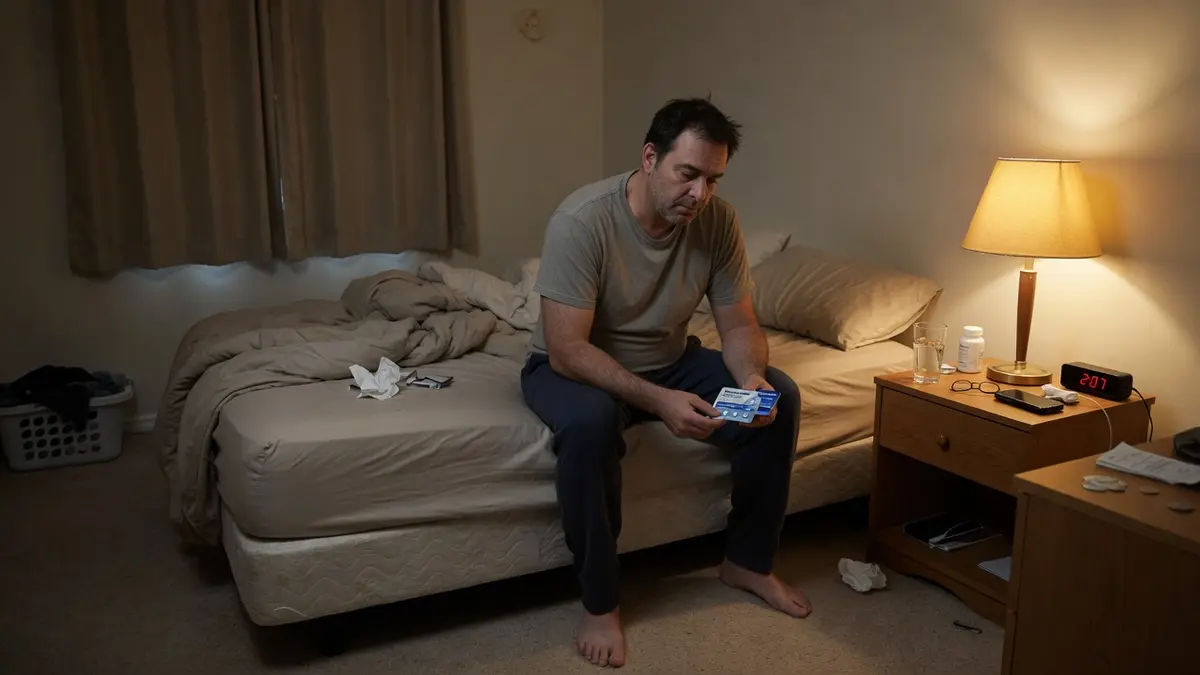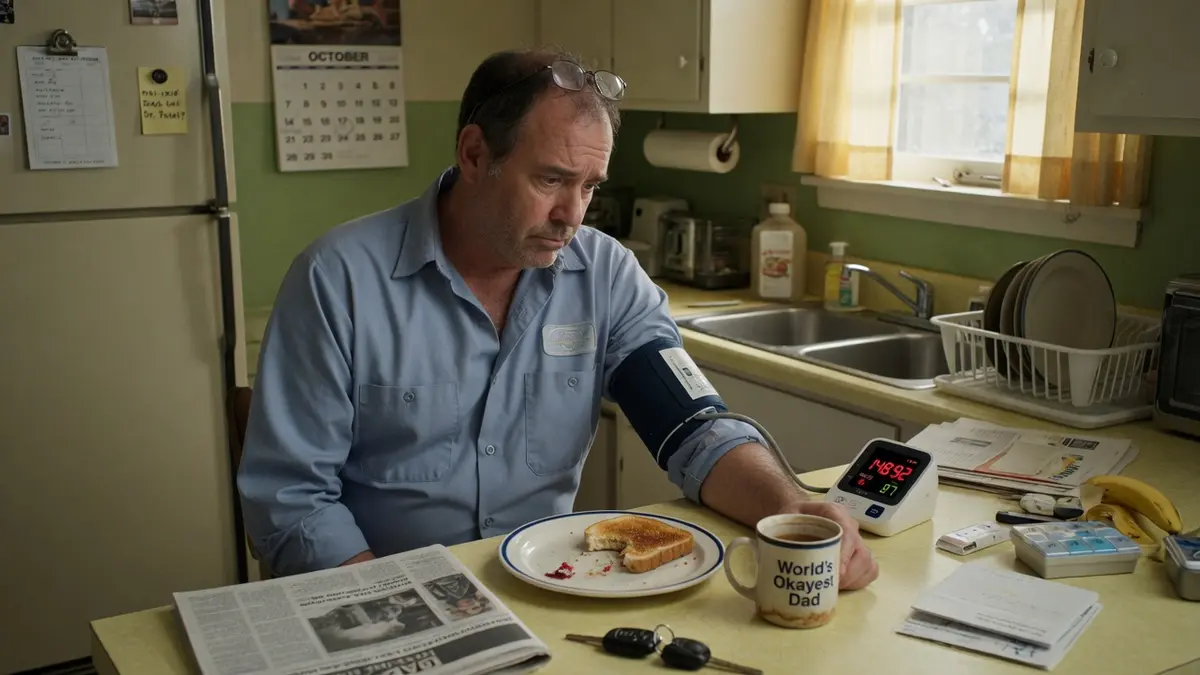

A male yeast infection that keeps coming back can feel frustrating, confusing, and sometimes even embarrassing. Many people assume it’s just a simple infection that needs another round of cream—but when symptoms return again and again, there’s often more going on beneath the surface.
In men, yeast infections usually appear as irritation of the head of the penis (often called balanitis). Symptoms may include redness, itching, burning, or sensitive skin. While these infections are generally treatable, recurrence is a signal worth paying attention to.
Understanding why a male yeast infection keeps coming back is the first step toward stopping the cycle for good.
What Is a Male Yeast Infection?
A male yeast infection is caused by an overgrowth of Candida, a type of fungus that normally lives on the skin without causing problems. Under certain conditions, however, it can multiply and lead to inflammation.
This imbalance doesn’t happen randomly. It typically occurs when the skin environment changes—becoming warmer, more moist, or more irritated—making it easier for yeast to grow.
More Helpful Reads You Might Like:
Why a Male Yeast Infection Keeps Coming Back
When a male yeast infection keeps coming back, it usually means the underlying trigger hasn’t been addressed. Treating the surface symptoms alone may bring temporary relief, but recurrence often points to deeper factors.
Hidden Blood Sugar Issues
Elevated blood sugar levels—especially in people with undiagnosed or poorly controlled diabetes—can create an environment where yeast thrives. Glucose in urine and skin secretions may promote fungal growth, making infections more frequent.
Moisture and Skin Environment
Warm, moist environments encourage yeast overgrowth. This is particularly relevant for men who are uncircumcised, where moisture can be trapped under the foreskin if not fully dried after washing.
Irritation and Overwashing
It might seem counterintuitive, but excessive washing—especially with harsh soaps—can disrupt the skin barrier. This irritation may make the area more vulnerable to infection rather than preventing it.
Medication Triggers
Certain medications, such as antibiotics or SGLT2 inhibitors used for diabetes, can shift the body’s balance of microorganisms. This may increase the risk of a yeast infection in men that keeps coming back.
7 Signs Your Yeast Infection in Men Keeps Coming Back
Recognizing patterns can help identify recurrence rather than isolated episodes.
- Symptoms improve but return within weeks
- Persistent redness or sensitivity in the same area
- Itching or burning that comes and goes
- Discomfort after sexual activity
- Skin that appears shiny, irritated, or slightly peeling
- Episodes linked to antibiotics or illness
- Temporary relief with creams, followed by relapse
These patterns suggest that the issue may not be fully resolved.
When It Might Not Be Just a Yeast Infection
Not every recurring irritation is caused by yeast. Some conditions can look very similar but require different treatment.
Conditions That Can Mimic Yeast Infections
Skin conditions such as eczema, psoriasis, or contact dermatitis may cause redness and irritation. In some cases, bacterial infections or inflammatory skin disorders can also resemble a yeast infection.
Warning Signs That Need Medical Attention
Certain symptoms should not be ignored:
- Persistent sores or ulcers
- Thickened or hardened skin
- Severe pain or swelling
- Difficulty retracting the foreskin
- Symptoms that do not improve with standard treatment
These signs may require further evaluation to rule out more serious conditions.
How to Stop a Male Yeast Infection That Keeps Coming Back
Stopping recurrence usually requires a combination of treatment and prevention.
Treat the Current Infection Properly
Topical antifungal medications, such as clotrimazole or miconazole, are often used for mild cases. In more persistent situations, a healthcare provider may recommend oral antifungal therapy.
Completing the full course of treatment—even if symptoms improve early—is essential to reduce the chance of recurrence.
Fix the Underlying Cause
If a male yeast infection keeps coming back, it’s important to look deeper. This may include checking blood sugar levels, reviewing medications, or evaluating hygiene habits.
Addressing these factors can significantly reduce recurrence risk.
Daily Habits That Prevent Recurrence
Simple changes can make a meaningful difference:
- Gently clean the area with mild, non-irritating soap
- Dry thoroughly, especially under the foreskin
- Avoid tight, non-breathable clothing
- Change out of damp clothes promptly
- Limit use of fragranced products in the area
These habits help restore a healthier skin environment.
The Bottom Line
A male yeast infection that keeps coming back is rarely just about the infection itself. It often reflects an underlying imbalance—whether related to moisture, irritation, blood sugar, or other factors.
While antifungal treatment plays an important role, long-term improvement usually depends on identifying and correcting what’s driving the recurrence.
For many individuals, the solution is straightforward once the right factors are addressed. For others, especially when symptoms persist or worsen, a medical evaluation can provide clarity and guide more effective treatment.
Medical Disclaimer
This content is for educational purposes only and does not replace professional medical advice, diagnosis, or treatment. Always consult your physician or a qualified healthcare provider with any questions about a medical condition.
Sources & Further Reading
Clinical practice guideline for the management of candidiasis
https://pubmed.ncbi.nlm.nih.gov/26679628/
Risk factors for balanitis in men with diabetes
https://pubmed.ncbi.nlm.nih.gov/20002652/
CDC – Candidiasis treatment guidelines
https://www.cdc.gov/std/treatment-guidelines/candidiasis.htm
Mayo Clinic – Can men get yeast infections?
https://www.mayoclinic.org/diseases-conditions/balanitis