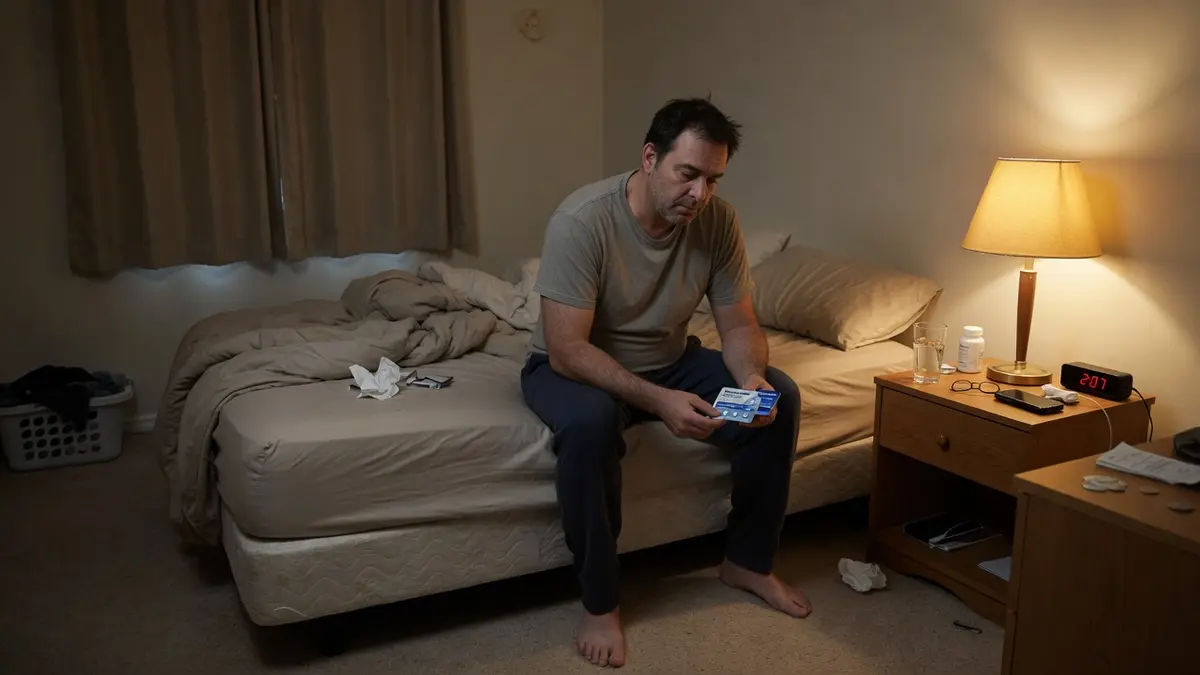

A sudden racing heart. Tightness in the chest. A wave of fear that feels almost overwhelming.
For many people, these symptoms raise an immediate question: Is this a panic attack—or anxiety?
Understanding the difference between a panic attack vs anxiety attack is more than just labeling a feeling. It can help explain what the body is doing, reduce unnecessary fear, and guide the right kind of support when symptoms keep coming back.
What Is a Panic Attack?
A panic attack is a sudden surge of intense fear or discomfort that reaches its peak within minutes. It is formally defined in psychiatric guidelines and recognized as a distinct clinical event.
Unlike general anxiety, panic attacks often feel unexpected and overwhelming, sometimes occurring without a clear trigger.
Why Panic Attacks Feel So Intense
During a panic episode, the body activates its fight-or-flight response almost instantly. Stress hormones like adrenaline surge, preparing the body to react to danger—even if no real threat is present.
This rapid shift can cause:
- A pounding or racing heart
- Shortness of breath
- Chest discomfort
- Dizziness or lightheadedness
- A sense of losing control
Some individuals describe it as feeling like a medical emergency, such as a heart attack. That intensity is one of the defining features in the comparison of panic attack vs anxiety attack.
More Helpful Reads You Might Like:
What Is an Anxiety Attack?
An anxiety attack is not a formal medical diagnosis, but the term is widely used to describe a buildup of overwhelming worry or distress.
Instead of appearing suddenly, anxiety tends to develop gradually, often in response to stress, pressure, or ongoing concerns.
How Anxiety Builds Over Time
Anxiety typically starts with persistent thoughts—worries about work, health, finances, or relationships. Over time, these thoughts can trigger physical symptoms such as:
- Muscle tension
- Restlessness
- Fatigue
- Difficulty concentrating
- Trouble sleeping
While these symptoms can become intense, they usually do not reach the same sudden peak seen in panic attacks.
Panic Attack vs Anxiety Attack: 7 Key Differences
Understanding the contrast between panic attack vs anxiety attack becomes clearer when looking at specific features side by side.
1. Onset
Panic attacks begin suddenly. Anxiety builds gradually.
2. Intensity
Panic symptoms are typically more intense and overwhelming. Anxiety tends to be more sustained but less extreme.
3. Duration
Panic attacks often peak within minutes and then fade. Anxiety may last for hours or even days.
4. Triggers
Panic attacks may occur without a clear cause. Anxiety is usually linked to identifiable stressors.
5. Physical Symptoms
Panic attacks often involve severe physical sensations like chest pain and shortness of breath. Anxiety symptoms are usually milder but persistent.
6. Emotional Experience
Panic attacks frequently involve a fear of dying or losing control. Anxiety is more associated with worry and apprehension.
7. Clinical Definition
Panic attacks are medically defined. Anxiety attacks are descriptive and vary between individuals.
Why the Confusion Happens So Often
The line between these experiences can feel blurry, especially in the moment.
Overlapping Symptoms That Mislead People
Both panic and anxiety can include:
- Rapid heartbeat
- Sweating
- Shortness of breath
- Difficulty focusing
Because of this overlap, many people use the terms interchangeably. However, the pattern and intensity of symptoms often reveal whether it is a panic attack vs anxiety attack.
When Symptoms Might Signal Something More Serious
Occasional anxiety or even a single panic attack can happen in otherwise healthy individuals. But certain patterns deserve closer attention.
Red Flags That Should Not Be Ignored
- Frequent or recurring panic attacks
- Avoidance of places or situations due to fear
- Symptoms interfering with work or daily life
- Persistent anxiety that feels difficult to control
Physical symptoms like chest pain or fainting should also be evaluated to rule out underlying medical conditions.
How to Respond in the Moment
Whether it is a panic episode or rising anxiety, the body can often be guided back toward a calmer state.
Simple Techniques That Can Help Calm the Body
Slow breathing
Taking slow, steady breaths can help regulate the nervous system.
Grounding techniques
Focusing on physical surroundings—such as naming objects or sensations—can reduce the sense of overwhelm.
Gentle movement
Walking or stretching may help release built-up tension.
Reducing stimulation
Stepping into a quieter environment can make symptoms easier to manage.
These strategies do not eliminate the underlying cause, but they can make the experience feel more manageable in the moment.
The Bottom Line
The difference between a panic attack vs anxiety attack often comes down to how quickly symptoms start, how intense they feel, and whether a clear trigger is present.
Panic attacks tend to be sudden and intense, while anxiety builds gradually and lingers. Both can feel distressing, and both are valid experiences that deserve attention.
When symptoms become frequent, disruptive, or difficult to manage, a more thorough evaluation can help uncover what is driving them—and what may help bring relief.
Medical Disclaimer
This content is for educational purposes only and does not replace professional medical advice, diagnosis, or treatment. Always consult your physician or a qualified healthcare provider with any questions about a medical condition.
Sources & Further Reading
Panic Disorder and Panic Attacks — National Institute of Mental Health
https://www.nimh.nih.gov/health/publications/panic-disorder-when-fear-overwhelms
Generalized Anxiety Disorder — National Institute of Mental Health
https://www.nimh.nih.gov/health/statistics/generalized-anxiety-disorder
Anxiety Disorders — Mayo Clinic
https://www.mayoclinic.org/diseases-conditions/anxiety/symptoms-causes/syc-20350961
Panic Attacks and Panic Disorder — Mayo Clinic
https://www.mayoclinic.org/diseases-conditions/panic-attacks/symptoms-causes/syc-20376021
PubMed — Neurobiology of panic disorder
https://pubmed.ncbi.nlm.nih.gov/9483472/
PubMed — Cognitive behavioral therapy for anxiety disorders: a review
https://pubmed.ncbi.nlm.nih.gov/29451967/