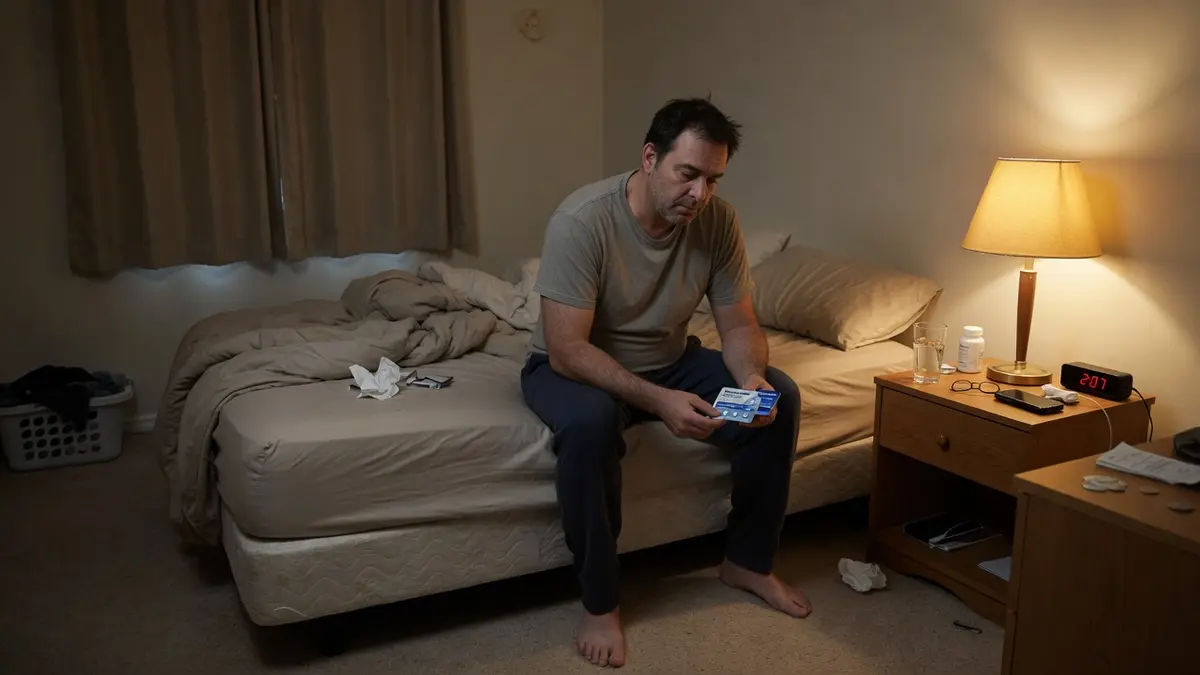

Feeling constantly tired, mentally drained, or strangely disconnected from work can be easy to dismiss. Many people assume it is just stress, a busy week, or lack of sleep. But in some cases, these experiences may reflect early signs of burnout—and they often appear more subtly than expected.
Burnout does not always begin with a dramatic collapse. Instead, it tends to develop gradually, showing up as small shifts in energy, focus, and emotional balance. Recognizing these early burnout symptoms can make a meaningful difference in preventing more serious health effects over time.
What People Mean by Burnout
Burnout is a term used to describe a state of chronic physical and emotional exhaustion, typically linked to prolonged stress—especially in work or caregiving roles.
According to the World Health Organization, burnout includes three core features:
- Persistent exhaustion
- Increased mental distance or negativity toward work
- Reduced sense of effectiveness
Unlike temporary stress, burnout tends to linger. Rest alone may not fully restore energy, and everyday tasks can begin to feel unusually difficult.
More Helpful Reads You Might Like:
Why Burnout Often Goes Unnoticed at First
How Chronic Stress Affects the Brain and Body
When stress becomes ongoing, the body’s stress-response system stays activated longer than intended. This involves hormones like cortisol, which help in short bursts but may become disruptive when elevated over time.
Research suggests that chronic stress may affect:
- Attention and memory
- Emotional regulation
- Sleep quality
- Energy levels
These changes can feel like “brain fog,” fatigue, or irritability—symptoms that are easy to misattribute to everyday life.
Why Burnout Doesn’t Always Feel Like Stress
Interestingly, burnout often does not feel like being overwhelmed. Instead, it may feel like:
- Emotional numbness
- Low motivation
- A sense of detachment
That is one reason many people miss the early signs of burnout. It can feel less like pressure—and more like disconnection.
7 Subtle Signs of Burnout You Might Be Ignoring
Recognizing these patterns early can help prevent burnout from worsening.
1. Constant fatigue that doesn’t improve with rest
Sleep may not feel restorative. Even after a full night’s rest, energy levels remain low.
2. Difficulty concentrating or “brain fog”
Tasks that once felt simple may require more effort. Focus drifts more easily, and mental clarity may feel reduced.
3. Loss of motivation or interest
Work or responsibilities may begin to feel meaningless or harder to engage with, even if they once felt manageable.
4. Increased irritability or emotional sensitivity
Small frustrations may feel more intense. Patience can decrease, especially in demanding situations.
5. Reduced productivity or more frequent mistakes
Performance may decline subtly at first—missed details, slower output, or increased procrastination.
6. Physical symptoms without a clear cause
Burnout symptoms are not just emotional. Some people experience:
- Headaches
- Muscle tension
- Digestive discomfort
- Persistent tiredness
7. Feeling detached or “checked out”
A sense of emotional distance from work, responsibilities, or even relationships may develop over time.
When Burnout Is More Than Just Stress
Clues It May Be Affecting Your Health
Burnout may begin as a workplace issue, but it can extend beyond that. Warning signs include:
- Ongoing sleep problems
- Persistent anxiety or low mood
- Difficulty managing daily responsibilities
- Withdrawal from social interactions
These patterns suggest that burnout symptoms may be impacting overall well-being.
When to Seek Medical or Mental Health Support
Professional support may be important if:
- Symptoms persist despite rest
- Daily functioning becomes difficult
- Emotional distress increases
- There is concern about anxiety or depression
Burnout can overlap with other conditions, and a proper evaluation helps clarify the cause.
How to Recover from Early Signs of Burnout
Small Changes That Can Make a Real Difference
Early action can help reduce the impact of burnout. Strategies that may help include:
- Creating clearer boundaries between work and personal time
- Taking regular breaks during the day
- Prioritizing sleep and consistent routines
- Engaging in physical activity, even in short sessions
- Reconnecting with supportive relationships
These steps may seem simple, but consistency often matters more than intensity.
Why Recovery Often Requires More Than Rest
While rest is important, burnout recovery often involves addressing the underlying source of stress. This might include:
- Workload adjustments
- Improved communication at work
- Counseling or therapy
- Reevaluating long-term demands
In many cases, meaningful recovery requires both personal and environmental changes.
The Bottom Line
The early signs of burnout are often subtle—fatigue, low motivation, irritability, or mental fog that slowly builds over time. Because these symptoms can feel familiar or “normal,” they are easy to overlook.
However, burnout is not simply a matter of being busy. It reflects a deeper imbalance between demands and recovery. Recognizing burnout symptoms early can help prevent more serious physical and emotional consequences.
Paying attention to small changes in energy, focus, and mood can be one of the most important steps toward protecting long-term health.
Medical Disclaimer
This content is for educational purposes only and does not replace professional medical advice, diagnosis, or treatment. Always consult your physician or a qualified healthcare provider with any questions about a medical condition.
Sources & Further Reading
Burnout: A Review of Theory and Measurement
https://pmc.ncbi.nlm.nih.gov/articles/PMC8834764/
The Effects of Chronic Stress on Health: New Insights
https://pmc.ncbi.nlm.nih.gov/articles/PMC5137920/
World Health Organization — Burn-out an occupational phenomenon
https://www.who.int/news/item/28-05-2019-burn-out-an-occupational-phenomenon-international-classification-of-diseases
Mayo Clinic — Job burnout: How to spot it and take action
https://www.mayoclinic.org/healthy-lifestyle/adult-health/in-depth/burnout/art-20046642