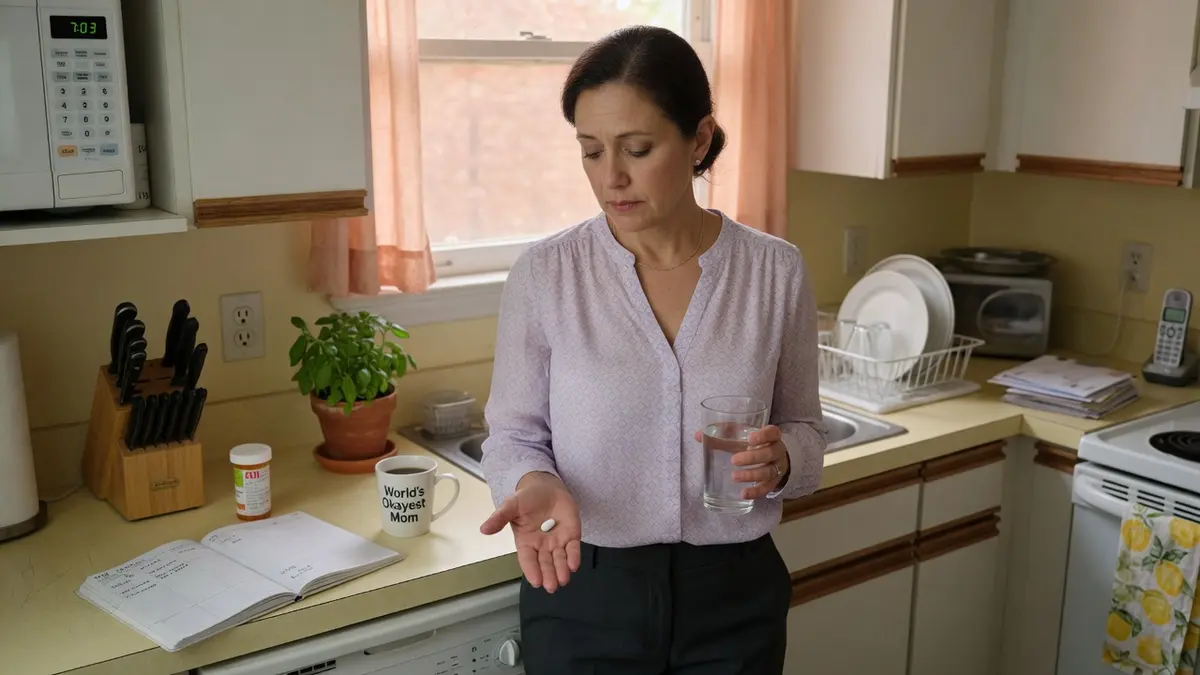

Chest tightness when stressed can feel surprisingly intense. For many people, it shows up suddenly—a pressure, a squeezing feeling, or a sense that breathing takes more effort than usual. In that moment, a common thought appears: Is something wrong with the heart?
That concern is understandable. The body does not always make it easy to tell the difference between stress-related symptoms and something more serious.
In many cases, chest tightness when stressed is linked to how the body reacts to emotional pressure. But not always. Understanding why it happens—and when to take it seriously—can make a meaningful difference in how it is managed.
What Chest Tightness When Stressed Really Feels Like
People describe chest tightness when stressed in different ways:
- A squeezing or pressure sensation
- A feeling of restricted breathing
- Mild to moderate chest discomfort
- Tightness that comes and goes with stress
- Symptoms that improve with rest or relaxation
For some individuals, these sensations appear during obvious stress. For others, they may arise unexpectedly, even during quiet moments.
Why Stress Causes Chest Tightness
The “Fight-or-Flight” Response Explained
When the brain perceives stress, the body activates a survival system often called “fight-or-flight.” Hormones like adrenaline increase heart rate, breathing, and muscle readiness.
This response is helpful in real danger—but during everyday stress, it can create physical sensations that feel uncomfortable or even alarming.
Muscle Tension in the Chest and Shoulders
Stress often leads to unconscious muscle tightening. This includes the chest wall, shoulders, and neck.
Over time, this tension can create a persistent feeling of tightness or pressure in the chest, especially during prolonged emotional strain.
Breathing Changes and Hyperventilation
Stress can also alter breathing patterns. Many people begin to take faster, shallower breaths without realizing it.
This can lead to:
- A sensation of not getting enough air
- Chest discomfort
- Lightheadedness
These changes may amplify the feeling of chest tightness when stressed, even if oxygen levels remain normal.
7 Common Reasons You Feel Chest Tightness When Stressed
Chest tightness when stressed usually reflects a combination of physical responses rather than a single cause.
1. Increased muscle tension
Tight chest muscles can create pressure or discomfort.
2. Faster heart rate
A racing heart can feel like heaviness or tightness.
3. Shallow breathing patterns
This can intensify the sensation of chest restriction.
4. Heightened body awareness
Stress may make normal sensations feel more intense.
5. Anxiety or panic responses
These can mimic more serious conditions.
6. Fatigue and poor sleep
Both can lower tolerance to stress and amplify symptoms.
7. Overlapping conditions (like reflux or mild asthma)
Stress can worsen other conditions that also affect the chest.
Chest Tightness from Stress vs Heart Problems
One of the most important questions is whether chest tightness when stressed could be something more serious.
Key Differences to Pay Attention To
Stress-related chest tightness often:
- Comes on during emotional stress
- Improves with relaxation
- Feels linked to breathing or tension
- Occurs in younger or otherwise healthy individuals
Heart-related chest pain may:
- Feel like heavy pressure or squeezing
- Spread to the arm, jaw, or back
- Occur with physical exertion
- Come with nausea, sweating, or shortness of breath
That said, symptoms can overlap. There is no perfect way to distinguish them at home.
Warning Signs That Need Immediate Care
Chest tightness should be treated as urgent if it includes:
- Severe or persistent chest pain
- Shortness of breath at rest
- Fainting or near-fainting
- Pain spreading to the arm, jaw, or back
- Cold sweats or nausea
In these situations, prompt medical evaluation is essential.
More Helpful Reads You Might Like:
How to Relieve Chest Tightness When Stressed
For stress-related symptoms, simple strategies can help the body return to a calmer state.
Simple Breathing Techniques That Help Quickly
Slowing the breath can reduce chest tightness when stressed by calming the nervous system.
A common approach:
- Inhale slowly through the nose for 4 seconds
- Hold briefly
- Exhale gently through the mouth for 6 seconds
Repeating this pattern for a few minutes may ease symptoms.
Daily Habits That Reduce Stress Symptoms
Long-term habits often make the biggest difference:
- Regular physical activity
- Consistent sleep patterns
- Limiting caffeine during high-stress periods
- Practicing mindfulness or relaxation techniques
- Staying socially connected
These strategies do not eliminate stress, but they can reduce how strongly the body reacts to it.
The Bottom Line
Chest tightness when stressed is a common experience, and in many cases, it reflects the body’s natural response to pressure, tension, and emotional overload.
The combination of muscle tension, breathing changes, and heightened awareness can create sensations that feel very real—and sometimes alarming.
At the same time, chest symptoms should never be ignored. When something feels new, severe, or different from usual patterns, medical evaluation is the safest path.
Understanding the difference between stress-related symptoms and potential warning signs allows for both reassurance and appropriate caution—without unnecessary fear.
Medical Disclaimer
This content is for educational purposes only and does not replace professional medical advice, diagnosis, or treatment. Always consult your physician or a qualified healthcare provider with any questions about a medical condition.
Sources & Further Reading
Association Between Panic Disorder and Chest Pain
https://www.ncbi.nlm.nih.gov/pmc/articles/PMC8751105/
American Heart Association — When to Call 911
https://www.heart.org/en/health-topics/heart-attack/warning-signs-of-a-heart-attack
Mayo Clinic — Chest Pain: Symptoms and Causes
https://www.mayoclinic.org/diseases-conditions/chest-pain/symptoms-causes/syc-20370838
American Psychological Association — Stress Effects on the Body
https://www.apa.org/topics/stress/body
NHLBI — Asthma Triggers
https://www.nhlbi.nih.gov/health/asthma/causes