 Written by
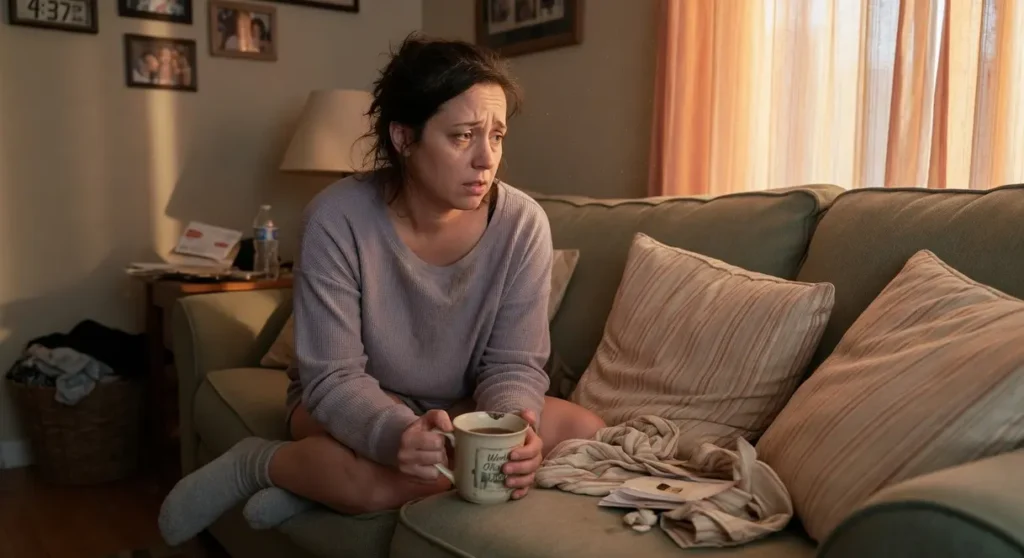
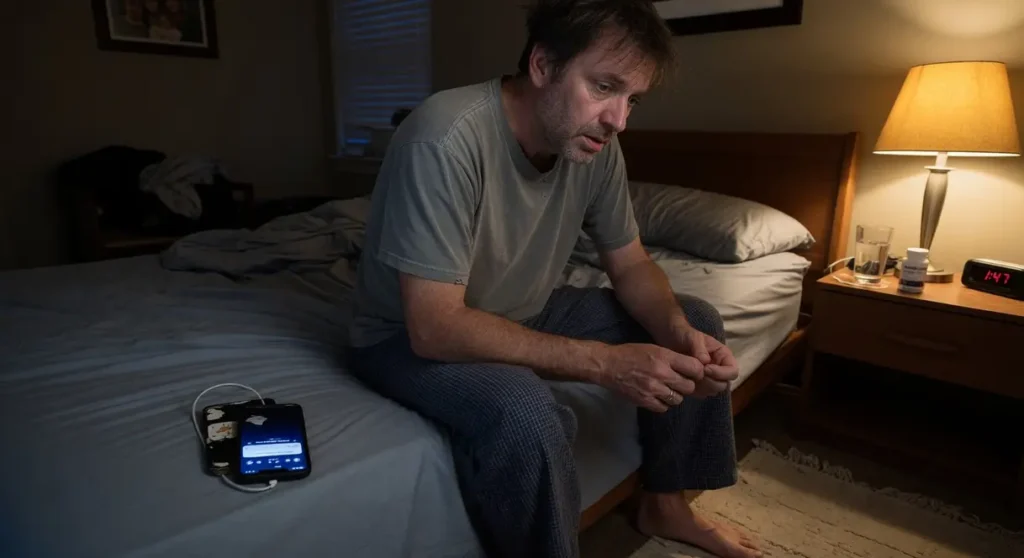
The first few nights on a sleep medication can feel like flipping a switch. Lights out, eyes closed, eight hours gone in what feels like a blink. Then, somewhere around month two or three, the magic dulls. The pill that used to knock you out now barely takes the edge off. You lie there at 2 a.m., wondering if you should take another half — or if maybe the medication just doesn’t agree with you anymore.
In this article
- What tolerance actually means inside the brain
- The bigger problem: rebound insomnia and dependence
- Why raising the dose usually backfires
- What actually works when sleep medication stopped working
- How to taper safely if the medication isn’t working
- When to talk to a doctor
- Why sleep medication stops working — and what to do about it
That experience is incredibly common, and it has a name: tolerance. Understanding why sleep medication stops working can save you from a frustrating cycle of dose increases, and it points toward strategies that actually restore sleep instead of just chasing it.
What tolerance actually means inside the brain
Most prescription sleep aids — zolpidem (Ambien), eszopiclone (Lunesta), zaleplon (Sonata), and benzodiazepines like temazepam — work by boosting the activity of a calming brain chemical called GABA (gamma-aminobutyric acid, the body’s main “slow down” signal). When GABA receptors get extra stimulation from a medication, the brain quiets, muscles relax, and sleep arrives faster.
The brain, though, is relentlessly adaptive. When those receptors get hit night after night with the same chemical nudge, they start to downregulate — meaning the cells become less sensitive, and some receptors physically reduce in number. The same dose now produces a weaker effect. That’s pharmacological tolerance in plain language: your brain has recalibrated to treat the drug as the new baseline.
Over-the-counter options aren’t immune either. Diphenhydramine and doxylamine, the antihistamines in products like ZzzQuil and Unisom, lose effectiveness within a few days for many people. The drowsy feeling fades even though the dose hasn’t changed.
Why some medications lose their punch faster than others
Not every sleep aid tolerates the same way. The so-called “Z-drugs” (zolpidem, eszopiclone, zaleplon) were designed to be more selective than older benzodiazepines, and clinical guidelines generally recommend short-term use — often two to four weeks. Tolerance to the sleep-promoting effects can develop within weeks of nightly use, though it varies widely from person to person.
Melatonin behaves differently. It’s a hormone, not a sedative, and the evidence on tolerance is mixed. Some people use low-dose melatonin (0.3 to 1 mg) for months without obvious loss of effect, while higher doses (5 to 10 mg) may actually be counterproductive by oversaturating receptors.
More Helpful Reads You Might Like:
- What Happens to Your Body When You Sleep 5–6 Hours for a Week
- Best Supplements for Mental Focus: What Actually Works?
- Can Stress Cause Memory Problems? What Science Shows
The bigger problem: rebound insomnia and dependence
Here’s where sleeping pills losing effectiveness gets complicated. When the brain has adapted to a medication, stopping it abruptly often triggers rebound insomnia — sleep that’s worse than it was before the medication started. The first few nights off the pill can feel like a personal disaster: hours of staring at the ceiling, fragmented sleep, daytime fog.
That rebound isn’t proof the insomnia is back for good. It’s the brain readjusting. But it’s also the reason sleep medication dependence develops so easily. The pill stops working as well, the nights without it feel intolerable, and the natural response is to take it anyway — or take more. That cycle is the heart of dependence, even with medications that aren’t traditionally considered addictive.
Physical dependence is different from addiction, and worth separating. Dependence means the body has adapted and will react when the drug is removed. Addiction involves compulsive use despite harm. Many people on long-term sleep medication develop the first without ever approaching the second — but the withdrawal experience can still be rough.
Why raising the dose usually backfires
The instinct when sleep pills are not working anymore is to ask for a higher dose. Sometimes that helps briefly. More often, it buys a few weeks before tolerance catches up again, and now the side effects scale up too: next-day grogginess, memory lapses, balance problems, and in older adults, a measurably higher risk of falls and fractures.
Higher doses of Z-drugs have been associated with complex sleep behaviors — sleepwalking, sleep-eating, even sleep-driving — that people genuinely don’t remember the next day. The FDA added a boxed warning for these effects in 2019. Doubling up is rarely the answer.
What actually works when sleep medication stopped working
The most well-studied alternative to medication is cognitive behavioral therapy for insomnia, usually shortened to CBT-I. It’s not talk therapy in the traditional sense. It’s a structured, typically six- to eight-week program that retrains the brain’s relationship with sleep through specific techniques:
- Stimulus control — using the bed only for sleep, getting out of bed when awake longer than 20 minutes, and rebuilding the bed-equals-sleep association.
- Sleep restriction — temporarily limiting time in bed to consolidate fragmented sleep into a solid block, then gradually expanding it.
- Cognitive restructuring — identifying and challenging the catastrophic thoughts that fuel nighttime anxiety (“If I don’t sleep, tomorrow is ruined”).
- Sleep hygiene refinements — light exposure timing, caffeine cutoffs, room temperature, and consistent wake times.
Multiple studies and clinical guidelines now recommend CBT-I as the first-line treatment for chronic insomnia — ahead of medication. The results often hold up for years after the program ends, which medication can’t claim. Several app-based and online versions exist for people who can’t access an in-person specialist.
Other alternatives worth discussing with a clinician
Beyond CBT-I, some clinicians suggest medications that work differently than traditional sleep aids — low-dose doxepin, ramelteon, or off-label trazodone — which may have lower tolerance profiles for some people. None are tolerance-proof, and each carries its own trade-offs. Magnesium, valerian, and L-theanine show modest effects in some studies but should be discussed with a clinician, particularly if you take other medications.
Daytime habits matter more than most people expect. Bright light exposure within the first hour of waking, regular exercise (ideally not within three hours of bedtime), and a consistent wake time even on weekends do measurably more for sleep architecture than most supplements.
How to taper safely if the medication isn’t working
Stopping a sleep medication cold turkey after months of nightly use is a bad plan, especially with benzodiazepines, where abrupt discontinuation can cause serious withdrawal including seizures. A clinician-supervised taper — often reducing the dose by 10 to 25% every one to two weeks — gives the brain time to readjust. Pairing the taper with CBT-I tends to produce better outcomes than tapering alone.
The first two weeks of any taper are usually the hardest. Sleep gets worse before it gets better. Knowing that in advance helps people stick with the plan instead of abandoning it on night three.
When to talk to a doctor
A conversation is overdue if any of these apply:
- The medication has been used nightly for more than four weeks.
- The dose has crept up, or there’s a temptation to take more than prescribed.
- Daytime grogginess, memory problems, or unsteadiness have appeared.
- There’s anxiety about running out of the medication, or nights without it feel impossible.
- New symptoms have emerged — loud snoring, gasping during sleep, restless legs, or significant mood changes — which may point to an underlying condition that the medication is masking rather than treating.
Sleep apnea, in particular, often hides behind insomnia complaints and gets worse with sedating medications. A sleep study may be warranted if there’s any suspicion of breathing problems during sleep.
Why sleep medication stops working — and what to do about it
Tolerance to sleep aids isn’t a character flaw or a sign that something is uniquely wrong with you. It’s predictable neurobiology. The brain adapts, the pill loses ground, and the path forward isn’t a stronger dose — it’s a different strategy. CBT-I, a thoughtful taper, attention to daytime habits, and an honest conversation with a clinician are what actually restore durable sleep. The pill was always meant to be a bridge, not a destination.
Medical Disclaimer: This content is for educational purposes only and does not replace professional medical advice, diagnosis, or treatment. Always consult your physician or a qualified healthcare provider with any questions about a medical condition.
Sources & Further Reading
How we sourced this article: we rely on peer-reviewed studies, clinical guidelines and public-health agencies (CDC, NIH, AHA, WHO), check every link before publishing, and update articles when the evidence changes. Read our editorial approach.
- PMC / NIH: Mechanisms Underlying Tolerance after Long-Term Benzodiazepine Use: A Future for Subtype-Selective GABAA Receptor Modulators?
- PubMed: Sleep Complaints – Whenever Possible, Avoid the Use of Sleeping Pills
- FDA: Sleep Disorder (Sedative-Hypnotic) Drug Information
- FDA: Certain Prescription Insomnia Medicines – New Boxed Warning Due to Risk of Serious Injuries
- Mayo Clinic: Insomnia Treatment – Cognitive Behavioral Therapy Instead of Sleeping Pills
- NIH / NCBI Bookshelf: Sedatives and Hypnotics – LiverTox Clinical Overview