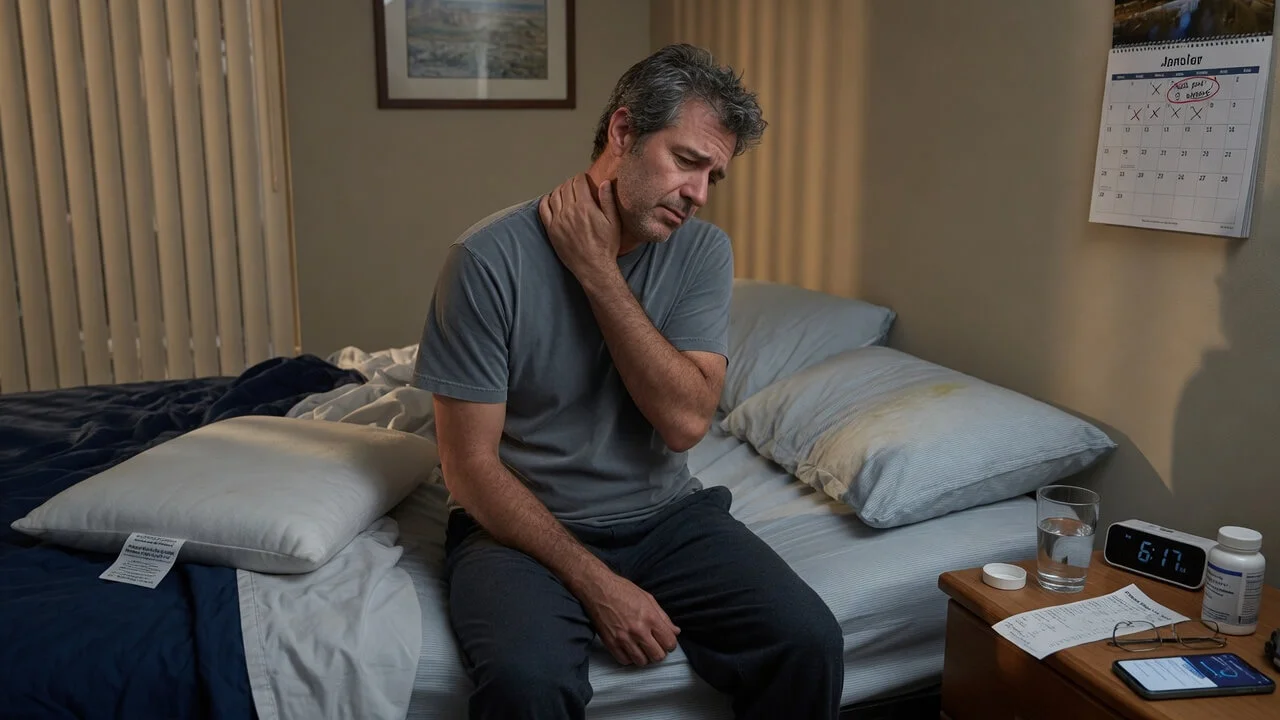

A 47-year-old man walks into his primary care office saying he feels flat. Not sad, exactly. Just unmotivated, foggy, tired by 2 p.m., and uninterested in things that used to matter — including sex. His wife thinks he’s depressed. He thinks his testosterone is tanking. His lab work eventually shows a borderline-low total testosterone level and a vitamin D deficiency, plus signs of poor sleep. So which one is the culprit?
This is one of the trickiest puzzles in men’s health, because the symptoms overlap so neatly. Sorting out low testosterone depression and fatigue from clinical depression, sleep disorders, thyroid problems, or plain old burnout takes more than a single blood test. Here’s how the pieces actually fit together.
What low testosterone actually does to mood and energy
Testosterone isn’t just about libido and muscle. Receptors for it sit in the brain — including areas tied to motivation, reward, and emotional regulation. When levels drop below the normal range (usually defined as a total testosterone under roughly 300 ng/dL, measured on a morning blood draw), some men notice changes that look a lot like depression: low drive, irritability, blunted enjoyment, and persistent fatigue that sleep doesn’t fix.
Research on low T and mood changes has been going on for decades, and the relationship is real but messier than headlines suggest. Studies in men with confirmed hypogonadism — meaning the testes aren’t producing enough testosterone due to a medical cause — show that mood symptoms and fatigue are common. But in men whose testosterone is only mildly low, the link to depression is weaker and harder to predict.
The biological link, in plain terms
Testosterone influences dopamine and serotonin signaling, the same neurotransmitters targeted by most antidepressants. It also affects red blood cell production, muscle metabolism, and how efficiently the body uses energy. When testosterone is genuinely low, fatigue from low testosterone can show up as a heaviness that’s physical and mental at the same time — workouts feel harder, focus slips, and recovery from ordinary stress takes longer.
That said, the brain is rarely running on one variable. Sleep, stress, alcohol, body fat, medications, and chronic illness all push testosterone levels around and influence mood independently. A man with sleep apnea, for instance, may have both low testosterone and depression-like symptoms — and treating the apnea often improves both.
Depression vs low testosterone symptoms: where they overlap and where they don’t
The honest answer is that there’s no symptom checklist that cleanly separates the two. But there are patterns worth knowing.
Symptoms that show up in both:
- Persistent fatigue, even after rest
- Low motivation and reduced interest in usual activities
- Irritability or mood swings
- Trouble concentrating or feeling mentally foggy
- Sleep disturbances
- Reduced libido
Symptoms more specific to low testosterone:
- Loss of morning erections or noticeable drop in sexual function
- Decreased muscle mass or strength despite training
- Increased body fat, particularly around the midsection
- Hot flashes or night sweats (in significant deficiency)
- Reduced body or facial hair over time
Symptoms more specific to clinical depression:
- Persistent sadness, hopelessness, or guilt
- Tearfulness or emotional numbness
- Thoughts of death or self-harm
- Significant appetite or weight changes
- Feelings of worthlessness
A man can absolutely have both at once. Studies suggest that men with low testosterone have higher rates of depression, and men with depression sometimes have lower testosterone — the arrow points both directions.
More Helpful Reads You Might Like:
- 7 Proven Ways to Increase Testosterone Naturally
- 5 Science-Backed Ways Hormonal Changes Affect Mood and Energy
- 7 Subtle Signs of Burnout You Might Be Ignoring
What else could be going on
Before pinning everything on hormones, it’s worth knowing how many other conditions mimic this exact picture. In practice, primary care doctors see these culprits constantly:
Sleep apnea
Untreated obstructive sleep apnea wrecks energy, mood, and testosterone production at the same time. Snoring, witnessed pauses in breathing, morning headaches, and waking unrefreshed are clues. A sleep study often changes the whole conversation.
Thyroid dysfunction
An underactive thyroid can produce fatigue, weight gain, low mood, and cognitive slowing that looks identical to low T. A simple TSH blood test rules it in or out.
Anemia and nutrient deficiencies
Iron deficiency, low vitamin D, and low B12 all cause fatigue and can dampen mood. None of these will be fixed by testosterone therapy.
Chronic stress and burnout
Sustained psychological stress raises cortisol, suppresses testosterone, and produces exhaustion that mimics both depression and hypogonadism. It’s not a moral failing — it’s physiology — but the treatment is different.
Medications and substances
Opioids, certain antidepressants, glucocorticoids, heavy alcohol use, and cannabis can all lower testosterone or blunt mood and energy. So can untreated diabetes.
How doctors sort it out
A reasonable workup for a man presenting with fatigue, low mood, and suspected low T usually includes:
- Two morning total testosterone levels, drawn between 7 and 10 a.m., on separate days
- Free testosterone and SHBG (sex hormone-binding globulin) if total testosterone is borderline
- LH and FSH to figure out whether the problem is in the testes or the pituitary
- Prolactin, TSH, complete blood count, fasting glucose or A1c, and vitamin D
- A depression screening tool like the PHQ-9
- Sleep history, with a sleep study if apnea is plausible
One low reading isn’t enough. Testosterone fluctuates with sleep, illness, and time of day, and a single low number doesn’t establish a diagnosis. Clinical guidelines recommend confirming with a repeat morning draw before any treatment decision.
Testosterone therapy for depression: what the evidence actually shows
This is where things get nuanced. For men with confirmed hypogonadism and depressive symptoms, testosterone replacement may improve mood, energy, and libido. The benefits tend to be most noticeable in men whose levels are clearly low to start with.
For men with normal or borderline testosterone and depression, the evidence on testosterone therapy for depression is mixed. Some studies show modest mood improvements; others show no meaningful benefit over placebo. Testosterone is not an antidepressant, and prescribing it for depression alone — without a clear hormone deficiency — isn’t supported by current guidelines.
Testosterone replacement also carries real considerations: it can shrink the testes, reduce fertility, raise red blood cell counts, worsen sleep apnea, and may affect prostate health. Anyone considering it should have a thorough conversation with a physician who manages this regularly, not just order it online.
Practical steps before assuming it’s your hormones
If fatigue and low mood have crept in, a few things are worth doing before — or alongside — chasing a testosterone diagnosis:
- Get 7 to 9 hours of sleep consistently for two weeks and see what changes
- Cut back significantly on alcohol for a month
- Address obvious stressors where possible
- Move your body most days, even moderately — resistance training in particular supports testosterone and mood
- Eat enough protein and don’t undereat (chronic calorie restriction lowers testosterone)
- Ask your doctor for a full workup rather than a testosterone level alone
When to seek medical care
Make an appointment if fatigue and mood changes have lasted more than a few weeks, if sexual function has changed noticeably, or if your sleep is consistently poor. Seek care urgently — same day — if you’re having thoughts of self-harm or suicide. In the U.S., the 988 Suicide and Crisis Lifeline is available 24/7 by call or text.
Red flags that warrant prompt evaluation include unexplained weight loss, severe headaches with vision changes (which can suggest a pituitary problem), breast tissue enlargement, or rapid loss of body hair.
So can low testosterone cause depression and fatigue, or is something else going on?
Both can be true, sometimes at the same time. Low testosterone depression and fatigue are a recognized pattern in men with genuine hormone deficiency, but plenty of other conditions — sleep apnea, thyroid issues, depression itself, chronic stress, medication side effects — produce the same symptoms. The path forward is a real evaluation: a careful history, the right blood tests done correctly, and a doctor who’s willing to look at the whole picture rather than reach for a prescription pad. Testosterone and mental health are connected, but they’re not the same conversation, and treating one without the other rarely solves the problem.
Medical Disclaimer: This content is for educational purposes only and does not replace professional medical advice, diagnosis, or treatment. Always consult your physician or a qualified healthcare provider with any questions about a medical condition.
Sources & Further Reading
- PubMed: Testosterone, mood, behaviour and quality of life
- PMC: The association of hypogonadism with depression and its treatments
- PubMed: Distinguishing burnout from clinical depression – A theoretical differentiation template
- Mayo Clinic: Male hypogonadism – Symptoms & causes
- Mayo Clinic: Job burnout – How to spot it and take action
- NIH / NCBI: Depression – Learn More: What is burnout?