 Written by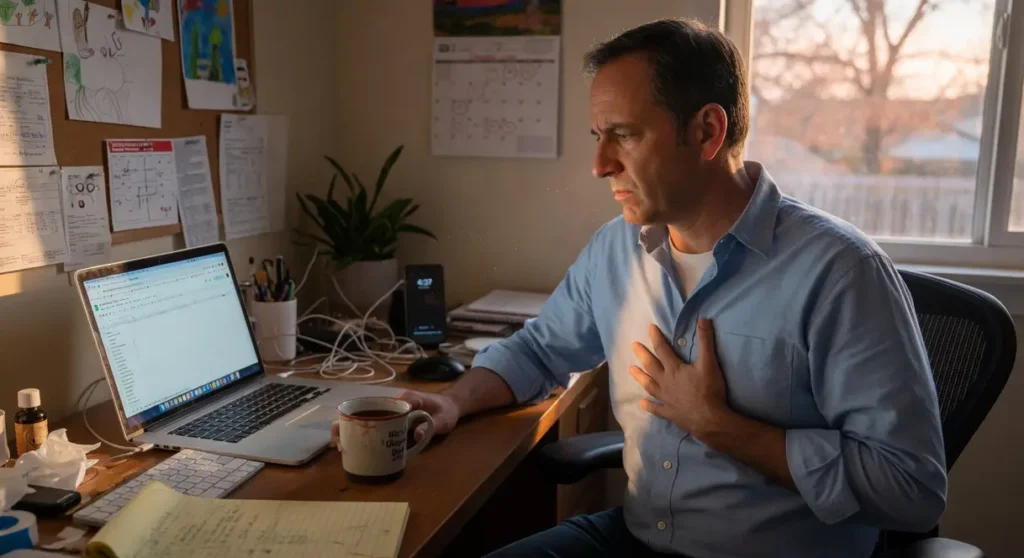
You’re sitting in traffic before a big meeting, and suddenly your jaw aches, your stomach knots up, and there’s a dull throb settling behind your right eye. Nothing is medically wrong, at least not in the way a chest X-ray or blood panel would pick up. But your body is clearly doing something. That something is stress — and the physical symptoms of stress are one of the most underappreciated, most misunderstood reasons people end up in urgent care, primary care offices, and emergency rooms every year.
In this article
Stress isn’t just a mood or a mental state. It’s a coordinated physiological event that involves your nervous system, hormones, muscles, gut, and immune system all at once. Understanding what’s happening — and why — can make symptoms less frightening and easier to manage. It can also help you recognize when something is no longer “just stress.”
What’s actually happening in the body when you’re stressed
When the brain perceives a threat — a deadline, an argument, a worrying email — it activates the sympathetic nervous system, the branch responsible for the fight-or-flight response. Within seconds, the adrenal glands release adrenaline and, shortly after, cortisol. Heart rate climbs. Blood pressure rises. Breathing gets shallower and faster. Blood flow shifts away from the digestive tract and toward large muscle groups. Pupils dilate. Pain thresholds change.
This system evolved to handle short bursts of danger, like outrunning a predator. It works beautifully for that. The problem is that modern stressors — financial pressure, chronic overwork, relationship strain — don’t end after a few minutes. The body stays in a low-grade activation state for hours, days, or years. That’s when symptoms start to show up.
Why symptoms feel so real (because they are)
One of the most damaging misconceptions about stress is that physical symptoms are “in your head.” They aren’t. A stress headache produces the same muscle tension and pain signaling as a headache from any other cause. Stress-related chest tightness involves real changes in heart rate, breathing pattern, and chest wall muscle tension. Stress-related stomach pain reflects measurable changes in gut motility and the gut-brain axis, the constant two-way communication between your digestive system and central nervous system.
More Helpful Reads You Might Like:
- Why You Feel Chest Tightness When Stressed (And What It Means)
- 7 Signs of Borderline Personality Disorder and When to Seek Help
- Why Stress Can Lead to Belly Fat and Weight Gain (Cortisol Explained)
The most common physical symptoms of stress
Stress can show up almost anywhere in the body, but a few patterns appear over and over in clinical practice.
Stress headaches
Tension-type headaches are the classic stress headache — a band-like pressure around the head, often worse at the end of the day, sometimes accompanied by tightness in the neck and shoulders. Stress can also trigger migraines in people prone to them, though migraines typically involve throbbing pain on one side, sensitivity to light or sound, and sometimes nausea. Jaw clenching and teeth grinding (bruxism) during sleep often contribute to morning headaches and are strongly linked to stress.
Chest pain and tightness
Can stress cause chest pain? Yes — and it’s one of the most common reasons people end up in the ER convinced they’re having a heart attack. Stress-related chest pain often feels sharp, fleeting, or like a squeezing tightness in the chest wall. It may worsen with deep breaths or pressing on the area. Anxiety and panic attacks can also cause chest pain along with shortness of breath, racing heart, and a sense of doom.
Here’s the tricky part: stress chest pain and cardiac chest pain can overlap, especially in adults with risk factors for heart disease. The honest answer is that chest pain should never be self-diagnosed as stress without medical evaluation, particularly the first time it happens.
Stomach and gut issues
Stress disrupts digestion in ways that can produce nausea, stomach cramps, bloating, diarrhea, constipation, or a mix of both. People with irritable bowel syndrome (IBS) often notice symptoms flare during stressful periods. Acid reflux can worsen too, partly because stress changes eating patterns and partly because cortisol affects how the stomach handles acid.
Stress and body pain
Chronic muscle tension is one of the most reliable physical signs of ongoing stress. The neck, shoulders, jaw, and lower back take the brunt of it. Some people develop tension in muscles they didn’t even know they had — the small muscles around the eyes, the muscles of the scalp, the diaphragm. Over time, this constant clenching can lead to trigger points, restricted movement, and pain that lingers long after the stressful event has passed.
Fatigue and sleep disturbance
Cortisol follows a daily rhythm — high in the morning, low at night. Chronic stress disrupts that rhythm, which is why so many stressed people feel wired at bedtime and exhausted in the morning. Poor sleep then amplifies everything else: more headaches, more pain sensitivity, more gut symptoms, more anxiety.
Anxiety physical symptoms
Anxiety and stress overlap heavily, and anxiety has its own physical signature: heart palpitations, sweating, trembling, lightheadedness, tingling in the hands or face, a lump-in-the-throat sensation, and sometimes a feeling of being disconnected from the body. These symptoms are uncomfortable but generally not dangerous — though they can mimic conditions that are.
Skin, immune, and hormonal effects
Stress can worsen acne, eczema, and psoriasis. It can disrupt menstrual cycles, dampen libido, and make people more susceptible to colds and other infections because of cortisol’s effect on immune function. Hair shedding a few months after a major stressor (a phenomenon called telogen effluvium) is also well-documented.
When the physical symptoms of stress need a doctor’s eye
This is where things matter most. Stress can explain a lot, but it should never be a default explanation — especially not without ruling out other causes first.
Seek emergency care right away for:
- Chest pain that is crushing, radiates to the arm, jaw, or back, or comes with sweating, nausea, or shortness of breath
- Sudden severe headache, especially if described as the “worst headache of your life”
- Weakness, numbness, slurred speech, or vision changes
- Fainting or near-fainting
- Difficulty breathing that doesn’t ease with rest
- Blood in stool or vomit, or persistent vomiting
Schedule a visit with your doctor — non-emergency, but soon — if you notice:
- Symptoms lasting more than a few weeks despite reducing stress
- Unintentional weight loss or persistent appetite changes
- New or worsening headaches that don’t respond to usual remedies
- Heart palpitations that happen even when you feel calm
- Chronic pain that interferes with sleep, work, or daily activities
- Mood changes, hopelessness, or thoughts of self-harm
Knowing when to see a doctor for stress isn’t about being overly cautious or dismissive. It’s about giving your symptoms a fair evaluation. Thyroid disorders, anemia, cardiac arrhythmias, autoimmune conditions, and several other treatable problems can look almost identical to chronic stress. A basic workup — blood pressure, labs, sometimes an ECG — can rule those out and give you peace of mind.
Practical ways to lower the physical load
No single technique works for everyone, but a few approaches have solid evidence behind them.
Move regularly. Aerobic exercise, even brisk walking for 20–30 minutes most days, lowers baseline cortisol and improves sleep. Strength training and yoga help with muscle tension specifically.
Train the breath. Slow exhales — longer than the inhale — activate the parasympathetic nervous system, the counterbalance to fight-or-flight. A few minutes of slow breathing several times a day can blunt symptoms.
Protect sleep aggressively. Consistent bedtime, dim light in the evening, and limiting caffeine after early afternoon do more than most supplements. Sleep is where the stress system resets.
Consider therapy. Cognitive behavioral therapy (CBT) has strong evidence for stress-related physical symptoms, including stress headaches, IBS, and chronic pain. It’s not just for severe mental health conditions.
Be cautious with quick fixes. Alcohol, nicotine, and excessive caffeine often make stress symptoms worse over time, even when they feel like relief in the moment.
How to tell whether physical symptoms of stress are normal or a warning sign
The short version: stress symptoms tend to ebb and flow with what’s happening in your life, ease when you rest, and don’t progress relentlessly. Symptoms that get steadily worse, appear out of nowhere, wake you from sleep, or come with red-flag features like weight loss, blood, fainting, or neurological changes deserve medical evaluation regardless of how stressed you feel. Stress is real, and so are its effects on the body — but it isn’t a diagnosis to settle for without ruling out the alternatives.
Medical Disclaimer: This content is for educational purposes only and does not replace professional medical advice, diagnosis, or treatment. Always consult your physician or a qualified healthcare provider with any questions about a medical condition.
Sources & Further Reading
How we sourced this article: we rely on peer-reviewed studies, clinical guidelines and public-health agencies (CDC, NIH, AHA, WHO), check every link before publishing, and update articles when the evidence changes. Read our editorial approach.
- Mayo Clinic: Stress symptoms – Effects on your body and behavior
- Mayo Clinic: Chronic stress puts your health at risk
- National Institute of Mental Health: I’m So Stressed Out! Fact Sheet
- American Psychological Association: How Stress Affects Your Health
- American Heart Association: Today’s Prolonged Stress May Predict Tomorrow’s Heart Problems
- PubMed: Stress, microbiota, and the gut-brain axis in mental and digestive health